German stocks ended slightly higher, a quiet close that nevertheless leaves the DAX near recent highs and keeps Europe’s biggest equity market in the spotlight for investors looking for durable long-term value.
DAX closes at 25,612.03 near recent highs
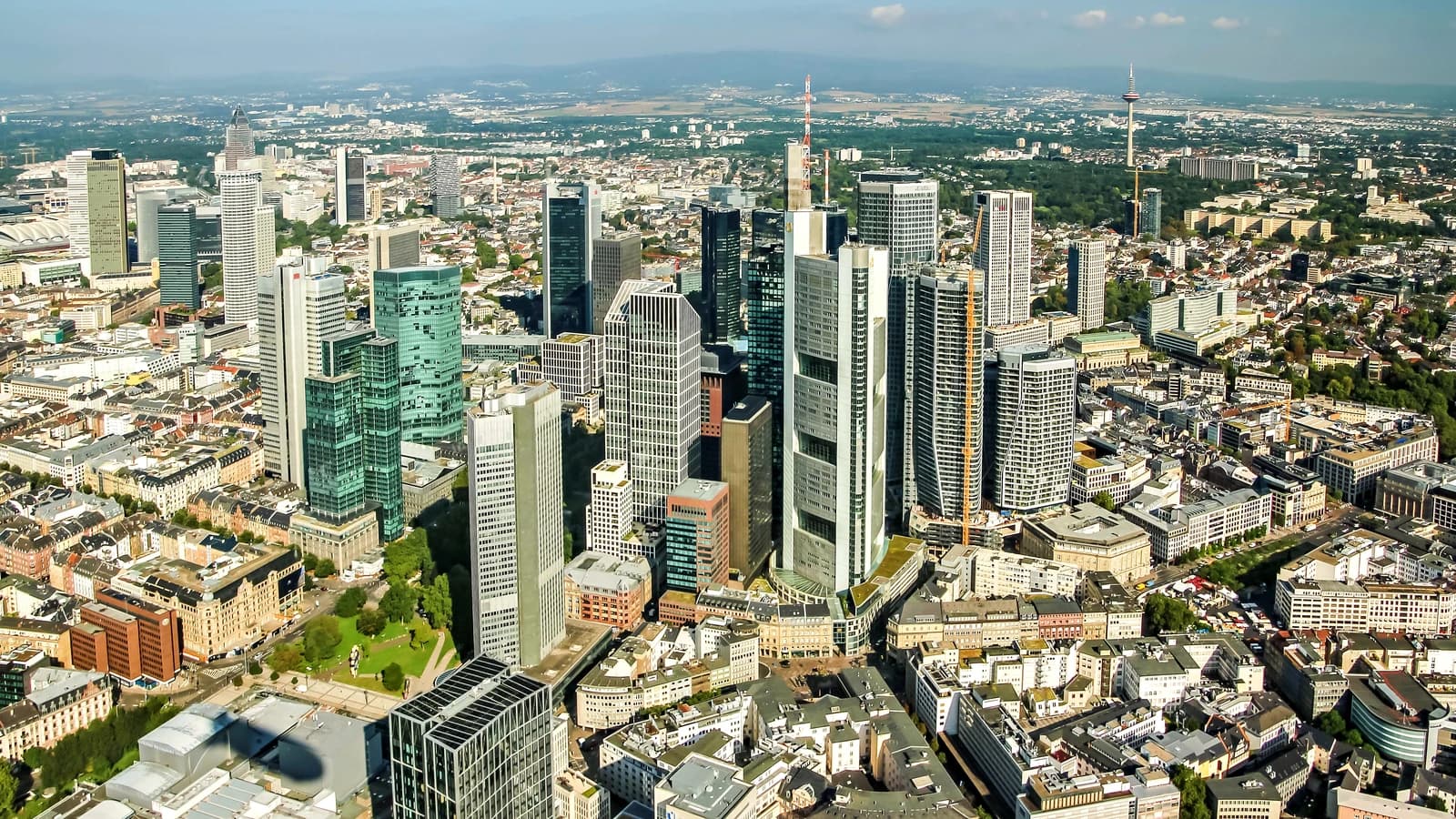
The benchmark closed at 25,612.03, up modestly on the day, after trading in a relatively tight range between 25,303.11 and 25,651.16. That may not sound dramatic, but in a market that has already climbed sharply over the past several sessions, the main story is resilience: buyers are still willing to step in even after the index has run well above its 50-day moving average of 25,018.30 and remains comfortably above its 200-day moving average of 24,388.51.
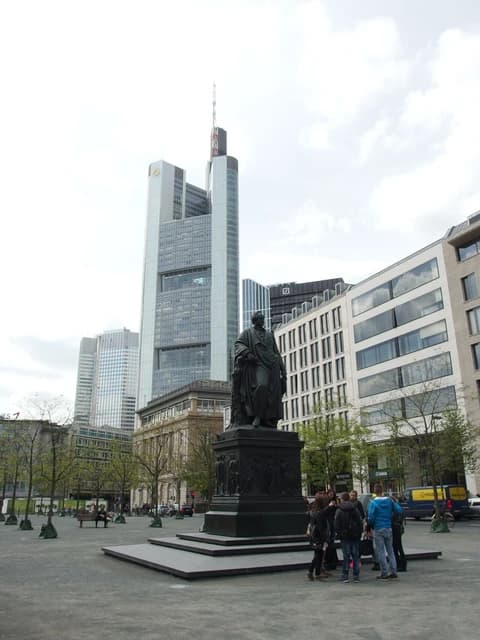
For investors, that matters because it suggests German equities are holding together despite the kind of volatility that often appears after a strong rally. The DAX’s RSI reading of 63.8 points to healthy momentum rather than an overheated market, while the MACD remains positive, indicating the uptrend is still intact. In plain English, this is not a market flashing warning lights. It is a market that has paused, absorbed supply and continued to grind higher.
That is the sort of action long-term investors should care about. A market close like this does not usually turn into a headline on its own, but it does tell you something about the underlying appetite for European stocks. The DAX has become a barometer for global confidence in industrial Germany, export exposure and large-cap corporate earnings. When it can edge higher after a strong run, it often means investors are still willing to look through short-term noise and pay for earnings visibility.
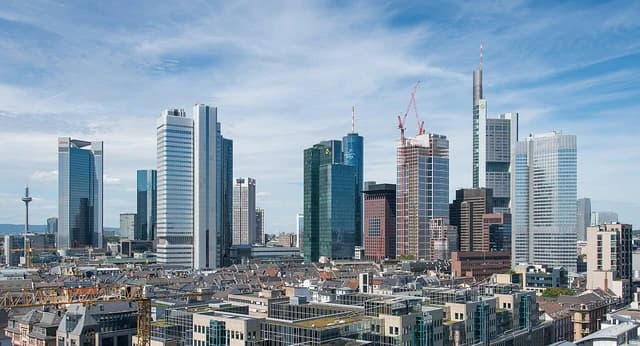
The iShares MSCI Germany ETF, EWG, echoed that steadiness. It rose to $42.78, extending its recent move above both its 50-day and 200-day averages. Deutsche Bank, another closely watched German bellwether, also finished higher at $36.87. Those moves suggest the market’s tone remains constructive for German financials and blue chips more broadly, even if the gains are measured rather than explosive.
That is important for a simple reason: markets rarely reward investors for chasing every tick, but they do reward patience when a broad index keeps building on a long uptrend. If you believe in compounding, valuation discipline and diversification, the DAX’s ability to hold gains is the kind of backdrop that belongs on a watchlist, not in a trading frenzy.
The next question is whether German stocks can turn this steady climb into a more durable breakout. For now, the answer depends less on one day’s close and more on whether corporate earnings and the European economic backdrop can keep supporting prices. Until then, the DAX’s latest finish says one thing clearly: the bulls are still in charge, even if they are moving carefully.
| Entity | Gains | Losses |
|---|---|---|
| DAX bulls | ▲Uptrend intact | ▼Noisy pullbacks |
| Long-term investors | ▲Steady momentum | ▼Chasing volatility |
| EWG holders | ▲Germany exposure improves | ▼Sudden reversal risk |
| Short sellers | ▲Need fresh weakness | ▼Rising prices |