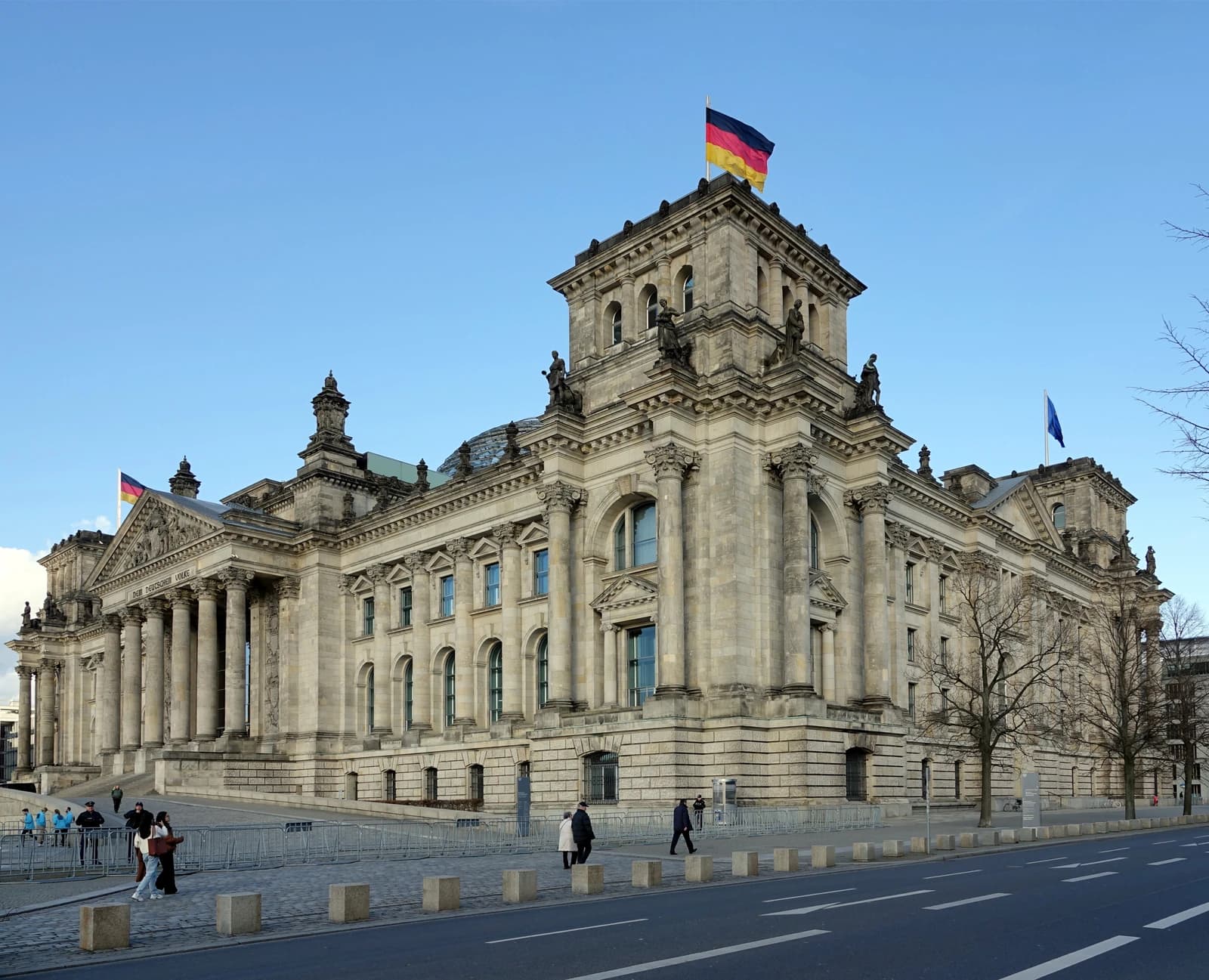
Germany’s stock market is being dragged down by a bigger problem than any single daily selloff: its benchmark is still dominated by old-economy names just as the global market is rewarding companies tied to cloud, AI and data infrastructure.
DAX Lagging as Germany Stays Heavy in Old Economy
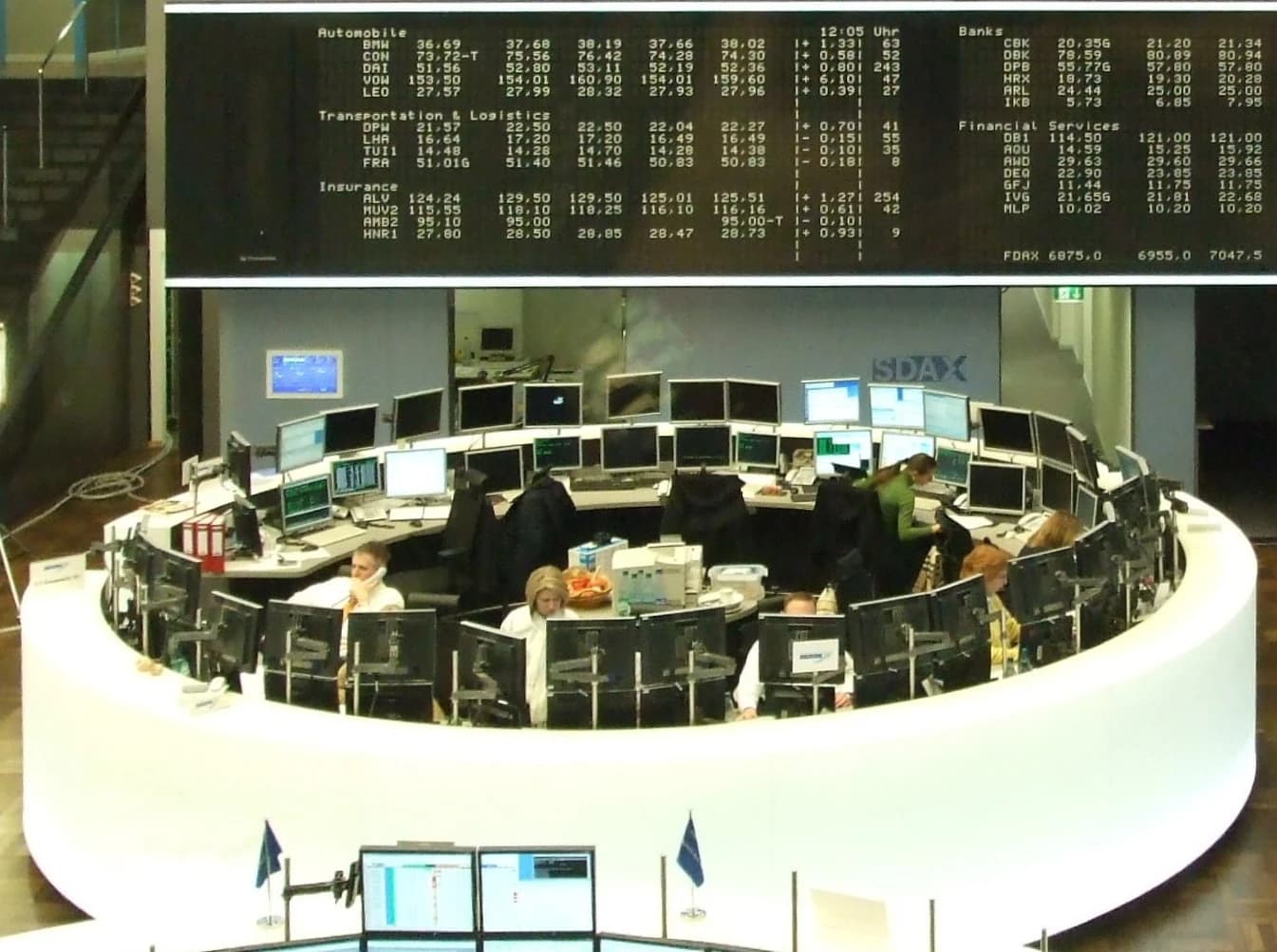
That was the message behind Jeanette zu Fürstenberg’s sharp remark that “half of our Dax is from the imperial era.” It is a brutally simple way of saying that Germany’s flagship index still leans heavily on mature industrial, financial and insurer businesses, even as investors worldwide chase the next decade’s growth engines. For long-term investors, that matters because index composition shapes returns. If the market’s heaviest weights are not the businesses with the strongest secular tailwinds, the benchmark can lag even when individual companies are doing fine.
Sentiment IndicatorsⓘProprietary · adalytica.com · October 24, 2026
This is a snapshot — live sentiment, awareness and momentum for 130+ markets update continuously in the dashboard.Open AlphaPulse
The contrast was visible in the day’s trading. The Dax fell about 0.4% to 25,213 points at the open after a volatile stretch that had already left investors wary. In Asia, tech shares sold off again as oil-driven inflation worries fed into higher bond yields and renewed doubts about the financing burden of artificial intelligence. That is exactly the kind of environment where Europe’s big index can look dated: while the world is debating whether AI spending will pay off, Germany’s market still revolves around names such as SAP, Siemens and Allianz, along with utilities and industrial groups that are far less exposed to the fastest-growing parts of the digital economy.
There are exceptions, and they matter. SAP has been one of the Dax’s strongest long-term growth stories, and the stock has been trading well above its 200-day moving average, though the latest price action shows how extended it had become, with a very high RSI reading before easing off slightly. Siemens, by contrast, has had a choppier run and still trades below where many growth investors would like to see it. Allianz has been steadier, reflecting the defensive appeal of insurance cash flows, but it is not the sort of business that can re-rate the entire index in the way a true AI platform leader might.
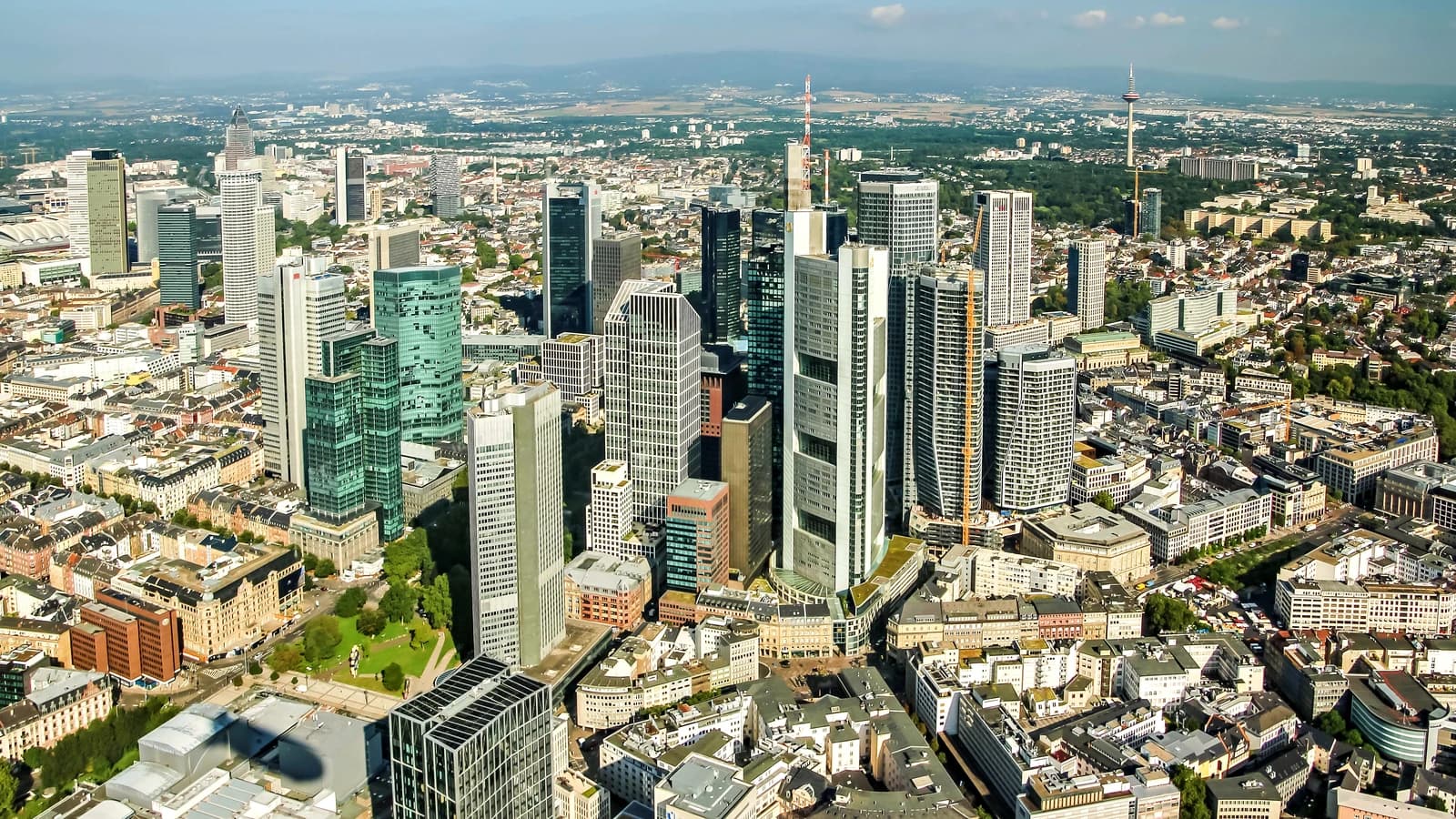
That gap between Germany’s market structure and the global growth story is why the investment summit in Berlin matters. Amazon said it plans to invest about 16 billion euros in Germany next year, including roughly 4.8 billion euros for cloud and AI infrastructure around Frankfurt. ABB’s surge in orders, driven by data-center demand, shows where the real industrial upside is flowing: into power systems, electrification and the physical backbone of the AI boom. Even Celonis’ push to build software that could challenge Palantir points to a more ambitious German technology scene trying to move beyond legacy manufacturing.
For investors, the takeaway is not that Germany is broken. It is that the Dax still does a poor job of representing the most powerful growth trends in the modern economy. That creates two opportunities: own the index for its quality and dividends, but look beyond it if you want exposure to cloud, AI, semiconductors and digital infrastructure. In other words, the Dax may still be a respectable portfolio holding, but it is not where the world’s most explosive compounding is happening. That is worth watching — and worth planning around for the next 3 to 10 years.
| Entity | Gains | Losses |
|---|---|---|
| SAP | ▲Digital demand exposure | ▼Valuation pressure if growth slows |
| Siemens/industrials | ▲Stable cash flow | ▼Less AI upside |
| Allianz | ▲Defensive earnings | ▼Limited growth rerating |
| DAX index | ▲Blue-chip stability | ▼Weak representation of future growth |