Amazon’s planned 16 billion-euro investment in Germany in 2027 is a major signal that the next phase of Europe’s AI race will be won by whoever controls cloud capacity, power and data infrastructure around key hubs like Frankfurt.
Amazon plans 16 billion-euro Germany investment
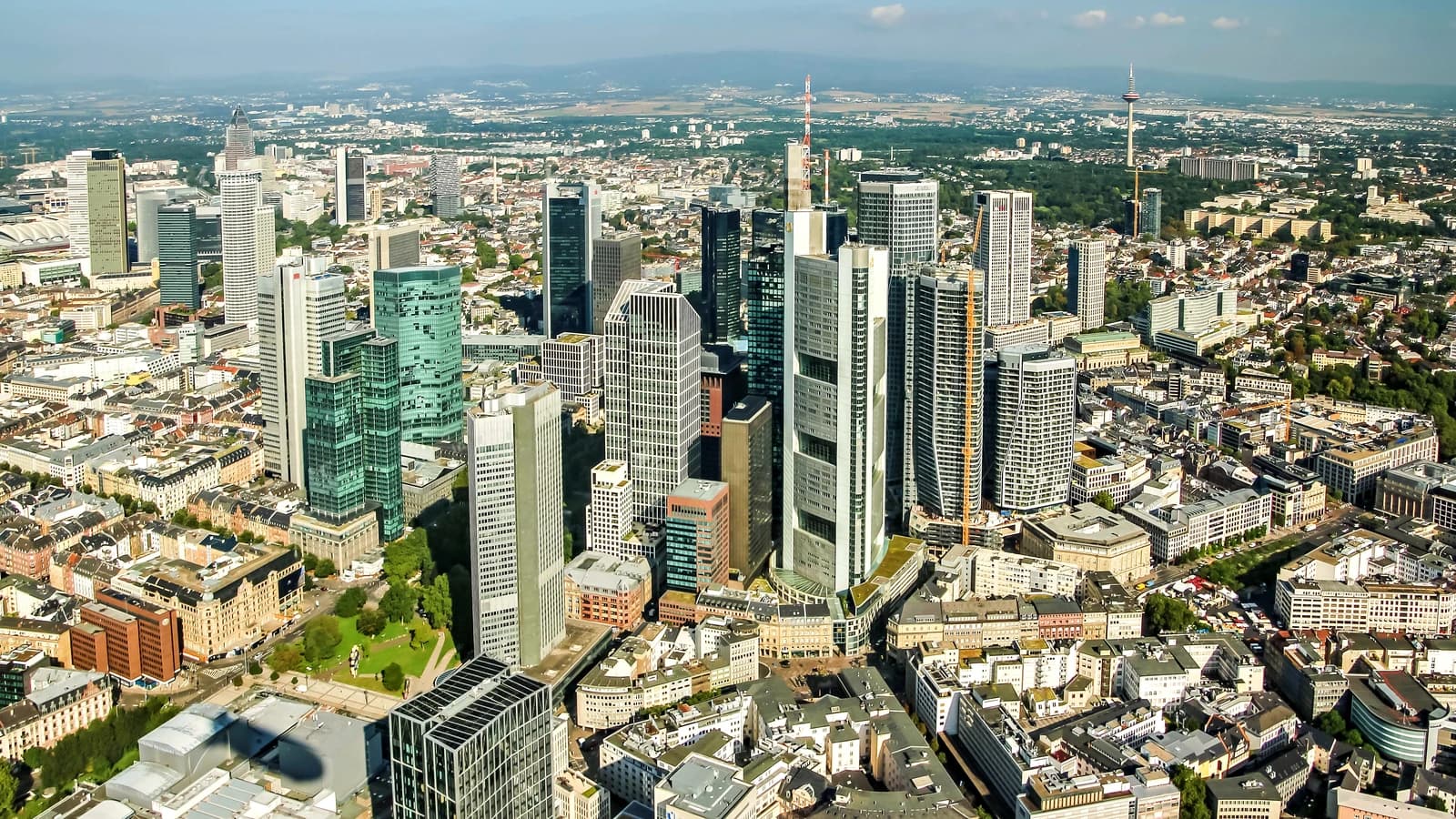
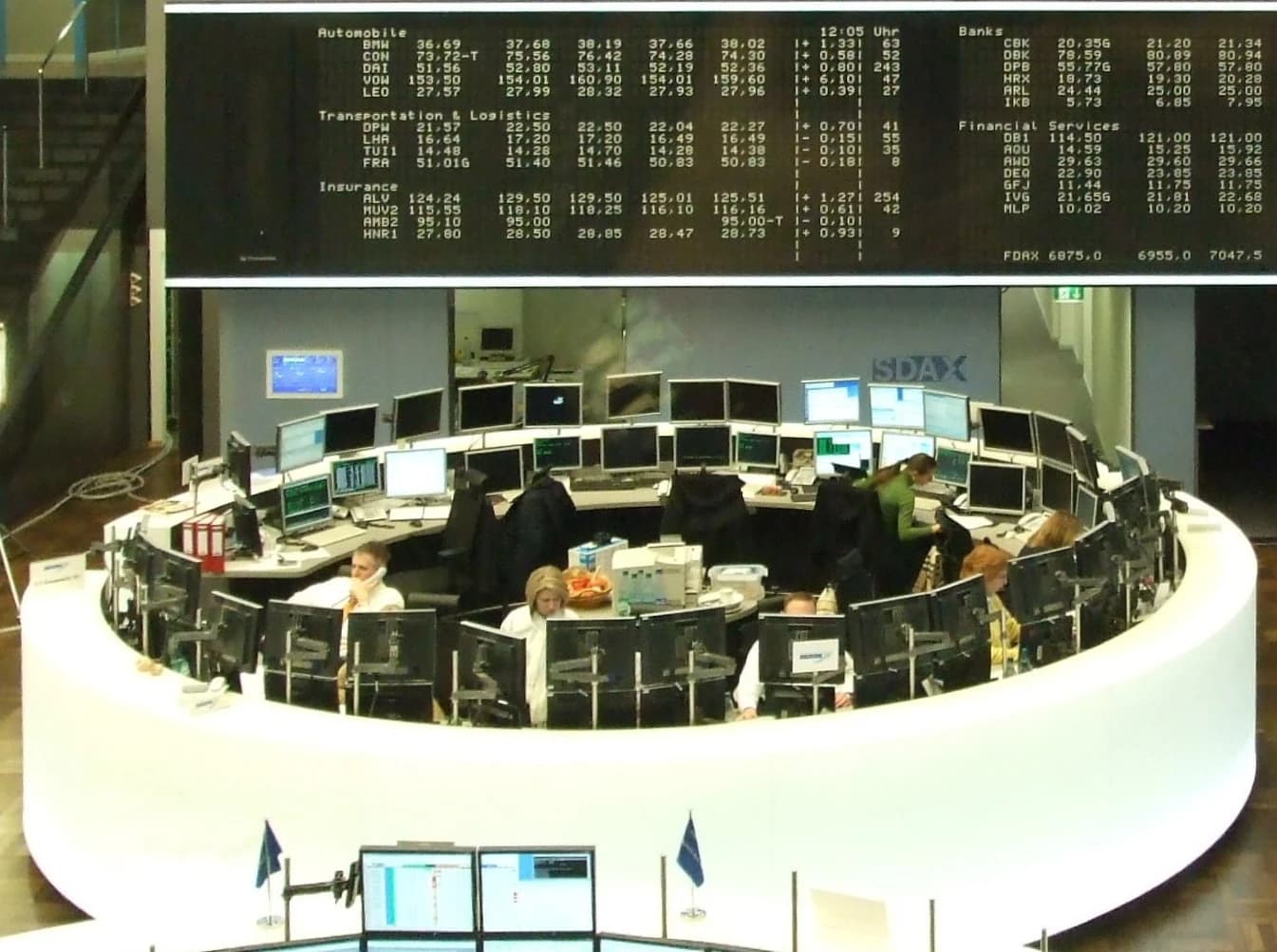
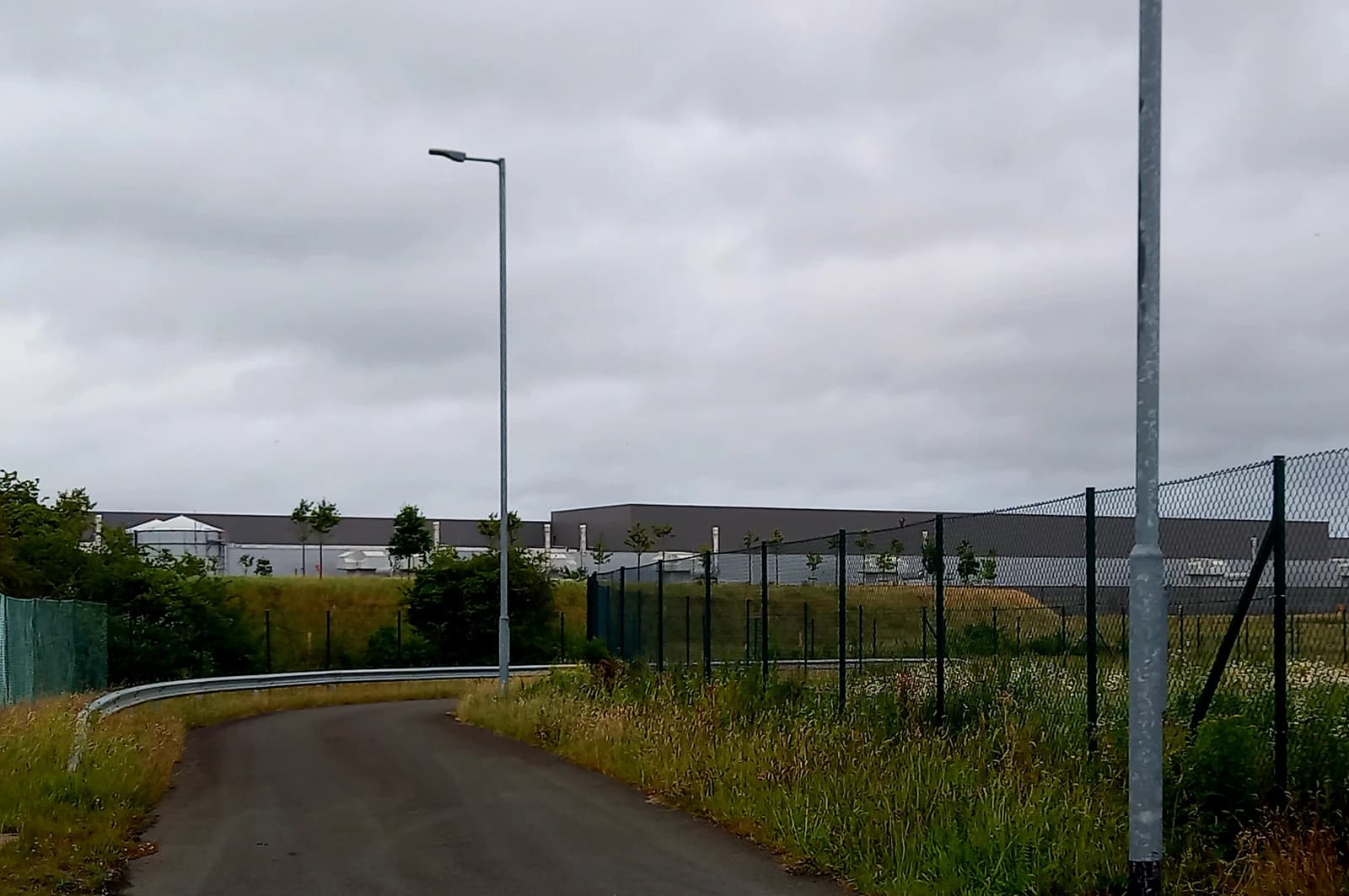
That matters because the biggest bottleneck in artificial intelligence is no longer just software ambition; it is physical infrastructure. Amazon said roughly 4.8 billion euros will go into expanding cloud and AI infrastructure in its AWS Europe region around Frankfurt, underscoring how much value is moving toward the “picks-and-shovels” layer of the AI economy. For investors, this is the kind of capex that can ripple far beyond AMZN itself, supporting a wider ecosystem of data-center builders, electrical gear suppliers, networking firms and power infrastructure companies.
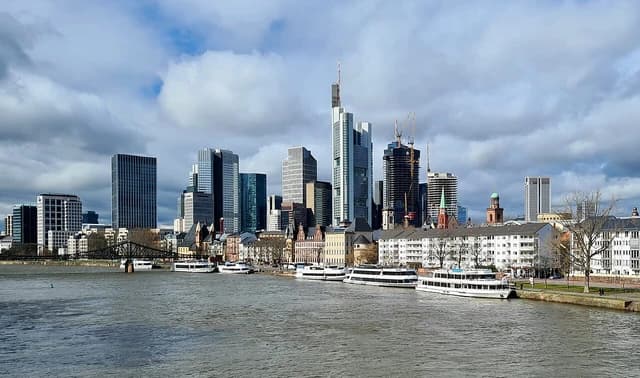
The scale also reinforces Amazon Web Services as one of the company’s most important profit engines, even as its retail operations attract more attention. AWS remains central to Amazon’s long-term margin story, and the German commitment suggests management sees Europe as a durable demand center for cloud workloads, AI training and inference. In Germany alone, Amazon says about 3,000 people work in AWS, and the new spending will deepen its footprint around Frankfurt, one of Europe’s most strategic digital corridors.
For Europe, the investment lands in a market where governments and companies are trying to reduce dependence on U.S. and Asian technology stacks while still attracting capital from global hyperscalers. That creates a powerful investment dynamic: the region needs sovereign, scalable cloud infrastructure, and Amazon is stepping in with the balance sheet to build it. The beneficiaries extend beyond Amazon to the infrastructure supply chain that powers the buildout, especially firms tied to power delivery, cooling, chip deployment and data-center construction.
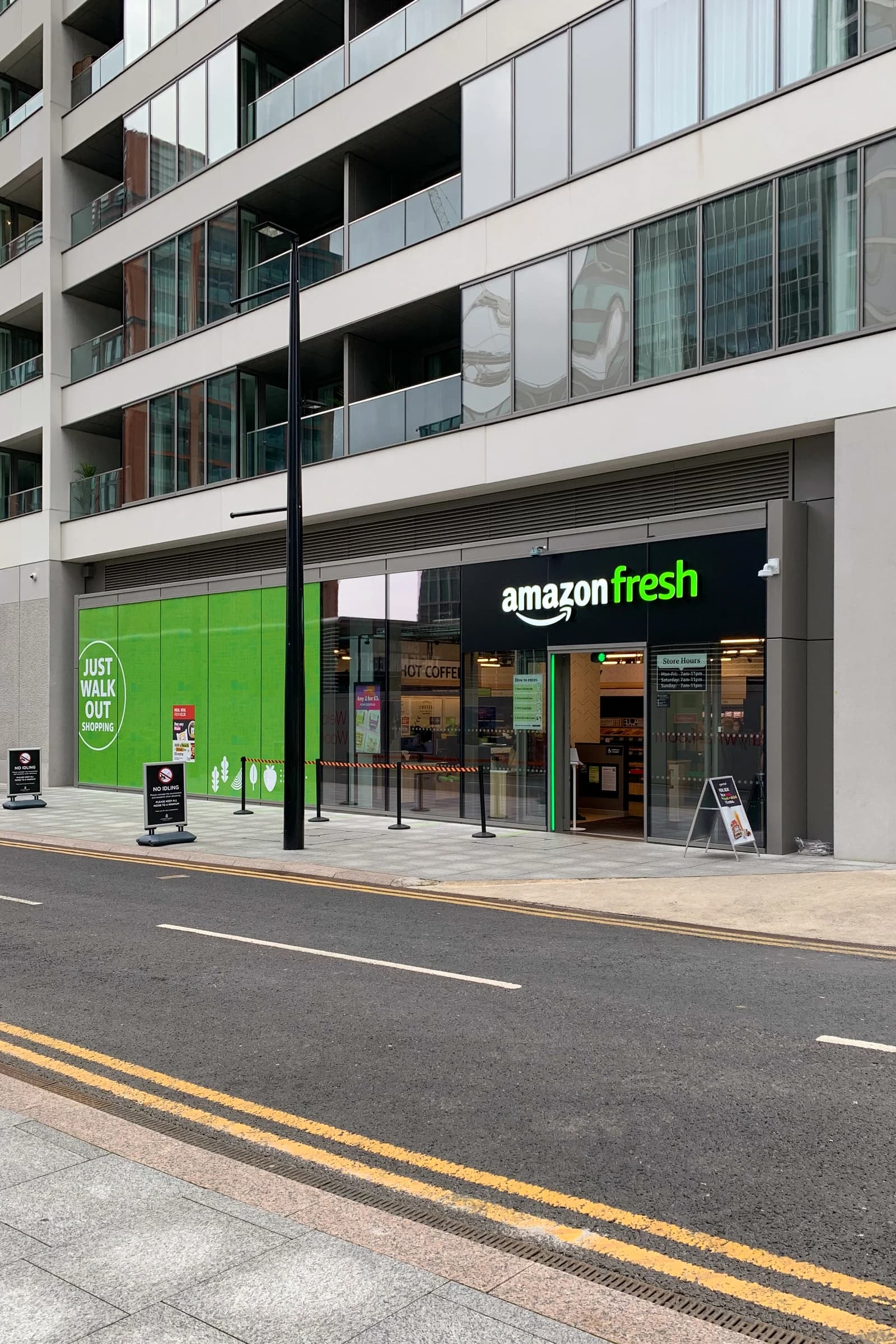
Amazon also said part of the German money will modernize logistics facilities with robotics and new technology, including upgrades at Bad Hersfeld, Dortmund and Herne, while a new center is being built in Könnern. That shows the company is still using automation to defend fulfillment efficiency at a time when logistics margins remain under pressure. But the market’s larger takeaway is the same: Amazon is not pulling back on spending, it is tilting harder into the infrastructure that can support the next decade of cloud and AI growth.
From an investing standpoint, this is an inflection point worth leaning into. The market often prices cloud spending as expense; in reality, it is strategic land grab behavior. I believe the bigger opportunity is not just Amazon’s own AI monetization, but the second-order winners building the infrastructure behind it. If Frankfurt becomes a deeper AWS and AI hub, the trade is in the enablers, the suppliers and the power stack that makes Europe’s AI expansion possible.
| Entity | Gains | Losses |
|---|---|---|
| Amazon (AMZN) | ▲AWS scale, long-term cloud revenue | ▼Near-term capex pressure |
| Data-center and power suppliers | ▲Higher orders, multi-year demand | ▼Capacity constraints remain |
| European cloud customers | ▲More local AI capacity, lower latency | ▼Less pricing leverage |
| Smaller cloud rivals | ▲— | ▼Share pressure from hyperscalers |