Amazon’s grip on German online shopping remains formidable, but the latest study also shows the contest for e-commerce spending is getting a lot tougher — and that matters for investors because the company’s next leg of growth will depend less on effortless dominance and more on how well it defends its marketplace, Prime ecosystem and pricing power.
Amazon Germany Online Retail Share Faces More Competition
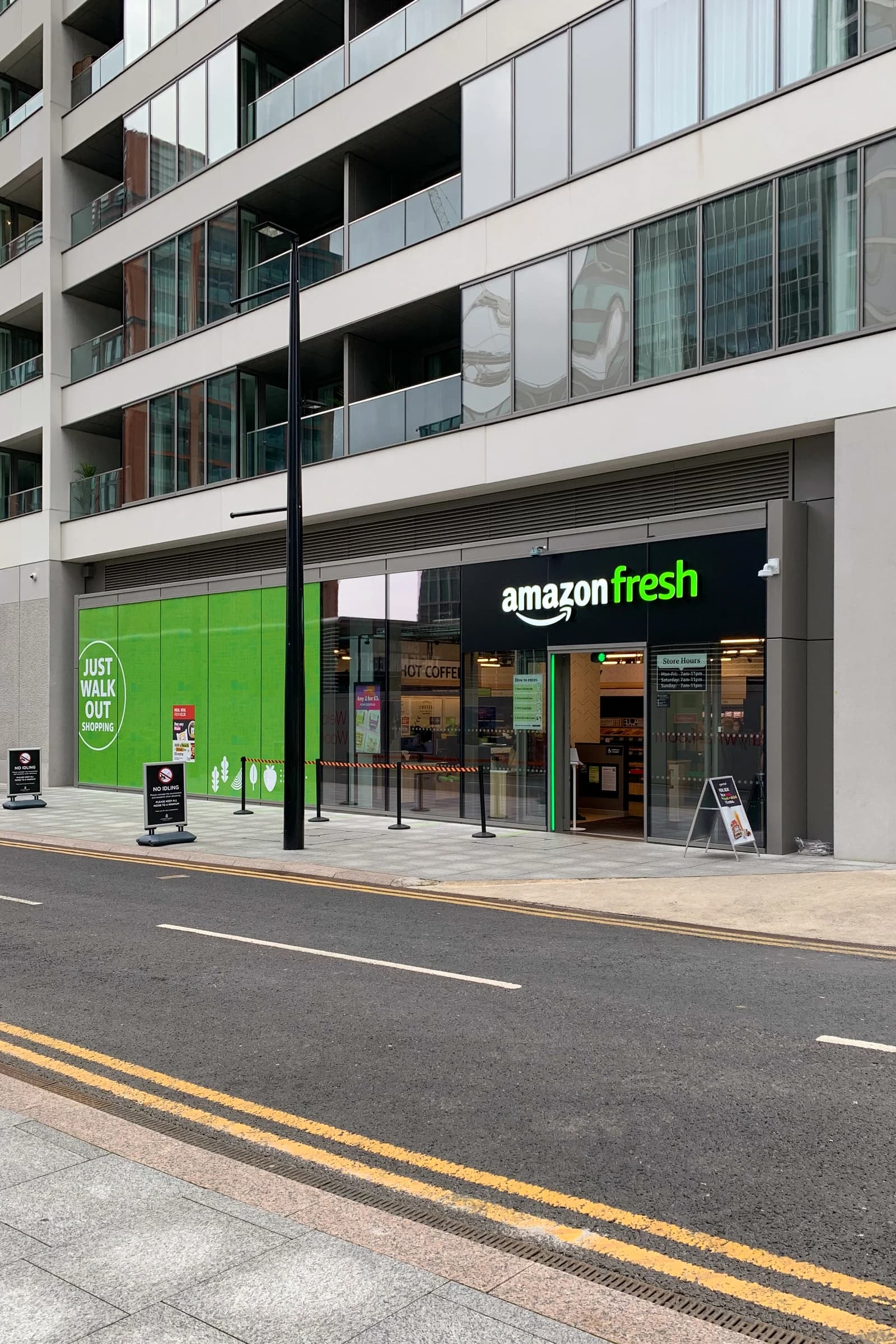
A new survey from IFH Köln and General Evidence found Amazon accounted for 69.1 billion euros, or 63% of German online retail sales in 2025, underscoring how deeply embedded the platform has become in consumer habits. Some 55.9 million people in Germany bought from Amazon last year, nearly 10 million more than five years ago, and 22 million said at least half of their online purchases came from the platform. For many shoppers, Amazon is no longer just a place to buy products; it has become the default search engine for prices, reviews and delivery.

That matters economically because Amazon’s strength is not just scale, but habit formation. Once a platform becomes the first stop for electronics, household goods and everyday purchases, it gains a toll-road position on consumer spending. The study shows why that model has been so durable: 59% of respondents have Prime, and Amazon is increasingly displacing not only rival online retailers but also physical stores. Nearly half of customers said buying on Amazon replaces shopping in city centers or stores, which is a reminder that the company’s reach extends well beyond the internet economy into brick-and-mortar retail pressure.
For investors, the key takeaway is that Amazon’s dominance is being challenged at the margin, not broken. The study found 12% of Amazon customers now buy items from platforms such as Temu, Shein or AliExpress that they previously would have bought on Amazon. The Asian platforms accounted for 5.3% of German online retail sales in the second quarter, with revenues jumping more than 20% year on year to a little over 1.1 billion euros. That is small relative to Amazon’s scale, but the growth rate is exactly what markets should watch: lower-priced cross-border sellers are clawing into categories where Amazon has historically enjoyed an advantage in convenience and selection.
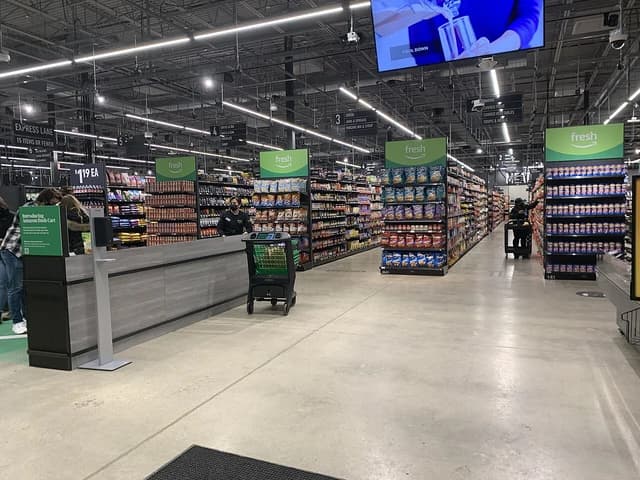
The market is already pricing Amazon as a company that must keep earning its premium. Its shares have moved sharply over the past year, but recent technical readings on conventional indicators such as the 50-day and 200-day moving averages suggest the stock is trading close to a battleground zone rather than a clear breakout. That fits the fundamental picture: Amazon is still winning, but it is spending more to defend the win. The company says competition can force it to increase spending or lower prices, a pressure point that matters directly for margins in retail even as AWS remains a separate profit engine.
That split is the real narrative here. Amazon’s consumer franchise remains extraordinarily sticky because of trust, speed and breadth of selection, but the moat is changing shape. The next phase of value creation will come from monetizing Prime, protecting marketplace traffic and using logistics, advertising and AI-driven shopping tools to keep users inside its ecosystem as product discovery shifts. The study also flags a longer-term risk: if AI assistants increasingly mediate shopping decisions, Amazon’s role as the starting point for product search could weaken over time.
There is also regulatory risk in the background. Germany’s cartel office hit Amazon with roughly 59 million euros in penalties earlier this year over price controls affecting third-party sellers, a reminder that Amazon’s marketplace power is attracting antitrust scrutiny as well as competition from Chinese platforms and nimble niche sellers. Those forces do not erase Amazon’s lead, but they do raise the cost of keeping it.
For investors, the best way to frame Amazon now is as a secular winner entering a more competitive, more regulated and more technologically fluid phase. The stock still offers exposure to one of the most powerful commerce networks on the planet, but the upside will increasingly come from execution, not inevitability. The opportunity remains asymmetric for patient holders — especially if management keeps converting retail traffic into Prime loyalty, ad revenue and cloud cash flow — but the market should not underestimate how much work it will take to stay number one.
| Entity | Gains | Losses |
|---|---|---|
| Amazon | ▲Scale, Prime loyalty, marketplace traffic | ▼Margin pressure, antitrust scrutiny |
| Temu/Shein/AliExpress | ▲Share gains, faster visibility | ▼Regulatory backlash, price competition |
| eBay/Otto | ▲Niche relevance, alternative shopping demand | ▼Overshadowed by Amazon’s reach |
| German retailers | ▲Some traffic from marketplace competition | ▼Store visits and local share |