A Denizli business delegation’s inspection of a Chinese cable factory underscored a broader push by Turkey’s export-dependent industrial base to absorb advanced manufacturing know-how and turn more small and midsize firms into exporters.
Denizli Delegation Visits Chinese Cable Factory
The Denizli Chamber of Commerce-led trip to Guangdong Jianbao Cable Co. Ltd. came alongside the Canton Fair in Guangzhou, but the bigger significance was strategic: Turkish industrial groups are using overseas trade missions not just to search for buyers, but to benchmark production technology, automation and quality systems against scale producers in China. For Denizli, a province known for a diversified manufacturing base, the visit was a signal that local companies want to move further up the value chain in machinery, electrical equipment and energy-related products.
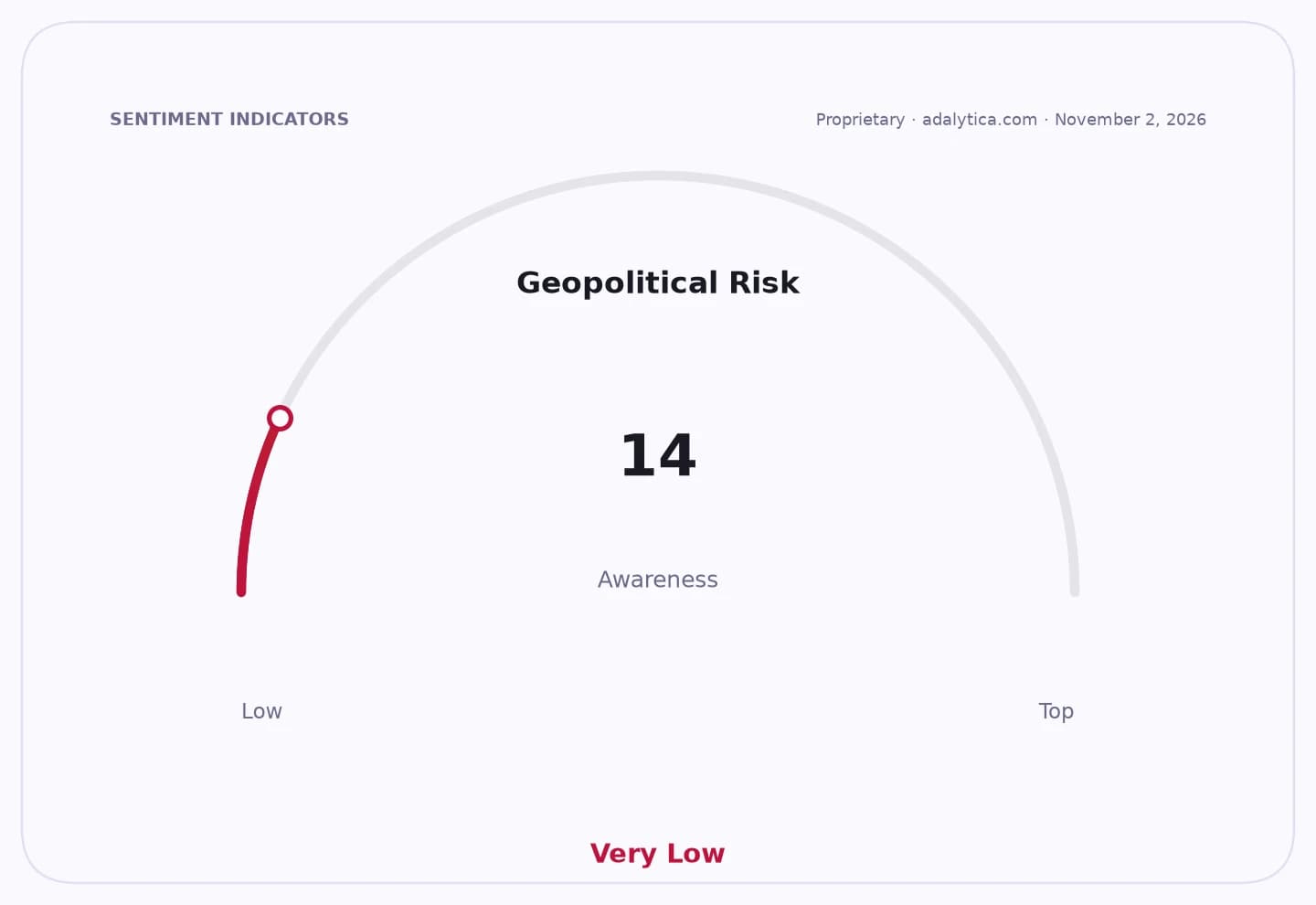
Sentiment Indicators
Jianbao Cable, founded in 2002, employs more than 700 people and runs more than 400 automation and production machines, according to the delegation’s account. It makes low- and medium-voltage cables, conductors for transmission lines, fire-resistant and industrial control cables, as well as specialty products for solar, wind and electric-vehicle applications. That product mix matters economically because it reflects where global demand is shifting: toward electrification, grid investment, renewable power and EV supply chains. For Turkish manufacturers, those are areas where product complexity, certification and process efficiency increasingly determine whether a company can sell abroad at scale.
The Denizli delegation, which included 40 businesspeople, also met with company executives to discuss export markets and potential commercial cooperation. That fits with a wider Turkish industrial challenge. Many small and midsize manufacturers remain constrained by limited market access, financing costs and the need for international standards certification. Exposure to a large, highly automated Chinese factory offers a practical roadmap for productivity gains, even if it does not guarantee immediate orders.
DTO President Uğur Erdoğan said the chamber wants local SMEs to become exporters and pledged to keep connecting members with overseas fairs and factories. That ambition has clear investor relevance: companies and suppliers that can expand beyond the domestic market tend to have better pricing power, more diversified revenue streams and less dependence on a single economy. For cable, machinery and energy-equipment makers, the key question is whether such trade missions translate into tangible partnerships, technology transfer and new export contracts.
The visit also comes against a tense but still commercially active backdrop in China-U.S. relations. Adalytica’s China-U.S. relations sentiment gauge was in “Fear,” even as awareness remained high, suggesting geopolitical caution has not stopped companies from looking for industrial opportunities in China. For investors, that means the trade links behind manufacturing remain important even when the political backdrop is fragile.
The near-term test is whether Denizli firms can convert observation into execution: more advanced production, stronger certifications and broader export sales. If they do, the payoff could be higher margins and lower reliance on Turkey’s domestic cycle. If not, the trip remains a useful but familiar exercise in benchmarking rather than a catalyst for trade.
| Entity | Gains | Losses |
|---|---|---|
| Denizli SMEs | ▲export know-how | ▼domestic-only dependence |
| Jianbao Cable | ▲potential Turkish partnerships | ▼no immediate downside |
| Turkish machinery/electrical exporters | ▲market access | ▼slower adopters |
| Domestic competitors | ▲benchmarking pressure | ▼competitive lag |