SAIC-GM-Wuling used the China-ASEAN Expo in Nanning to signal that its overseas push is moving beyond exports and knock-down assembly toward a broader industrial footprint built around local production, supply chains and battery manufacturing.
SGMW expands overseas with local battery production
That matters because the company is trying to position itself for a global auto market that is fragmenting around tariffs, localization rules and the rapid spread of new-energy vehicles, or NEVs. SGMW said it is moving through four stages of internationalization, from pure exports and KD assembly to full ecosystem localization, as governments in more than 110 countries tighten rules around domestic content and industrial participation.
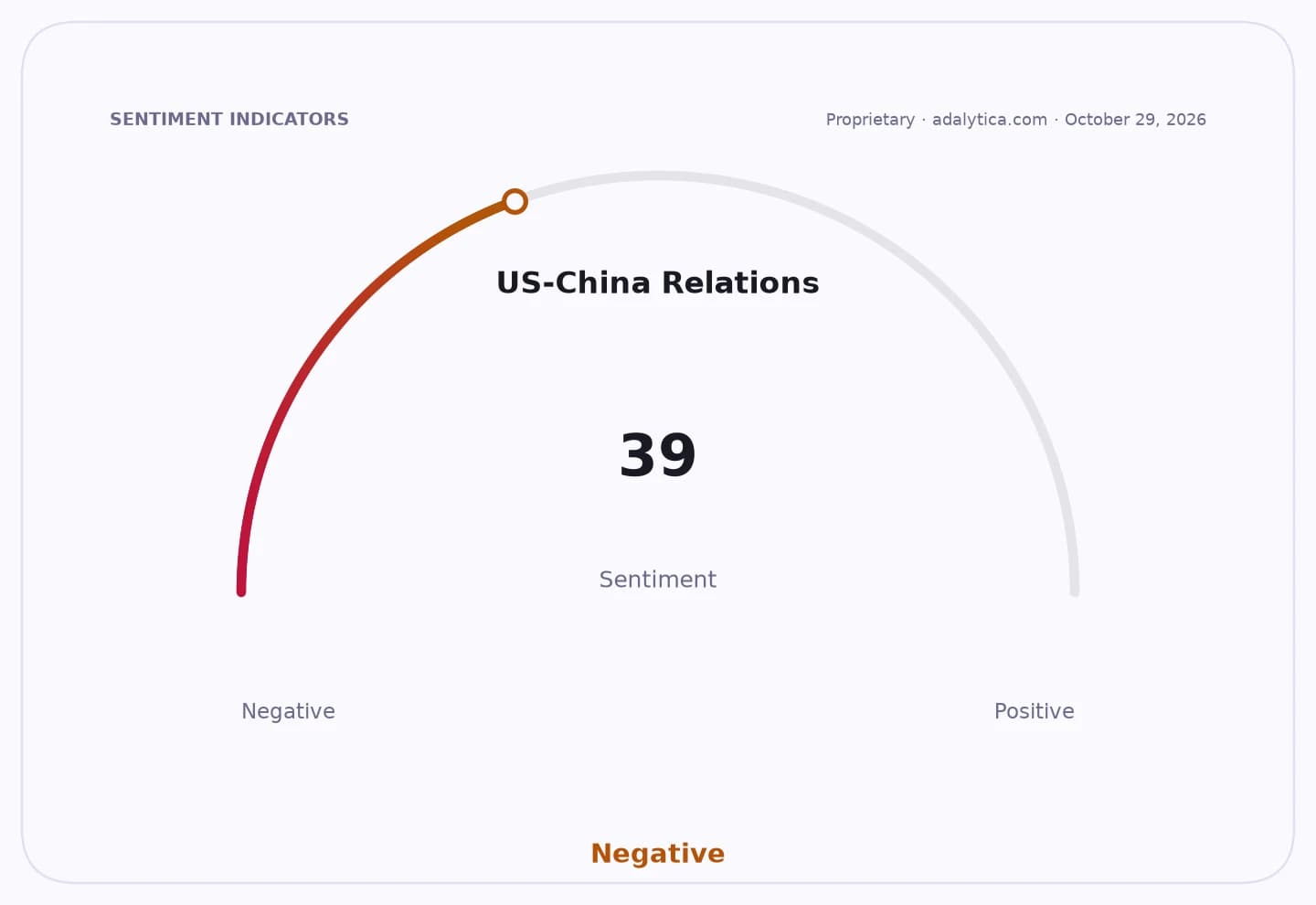
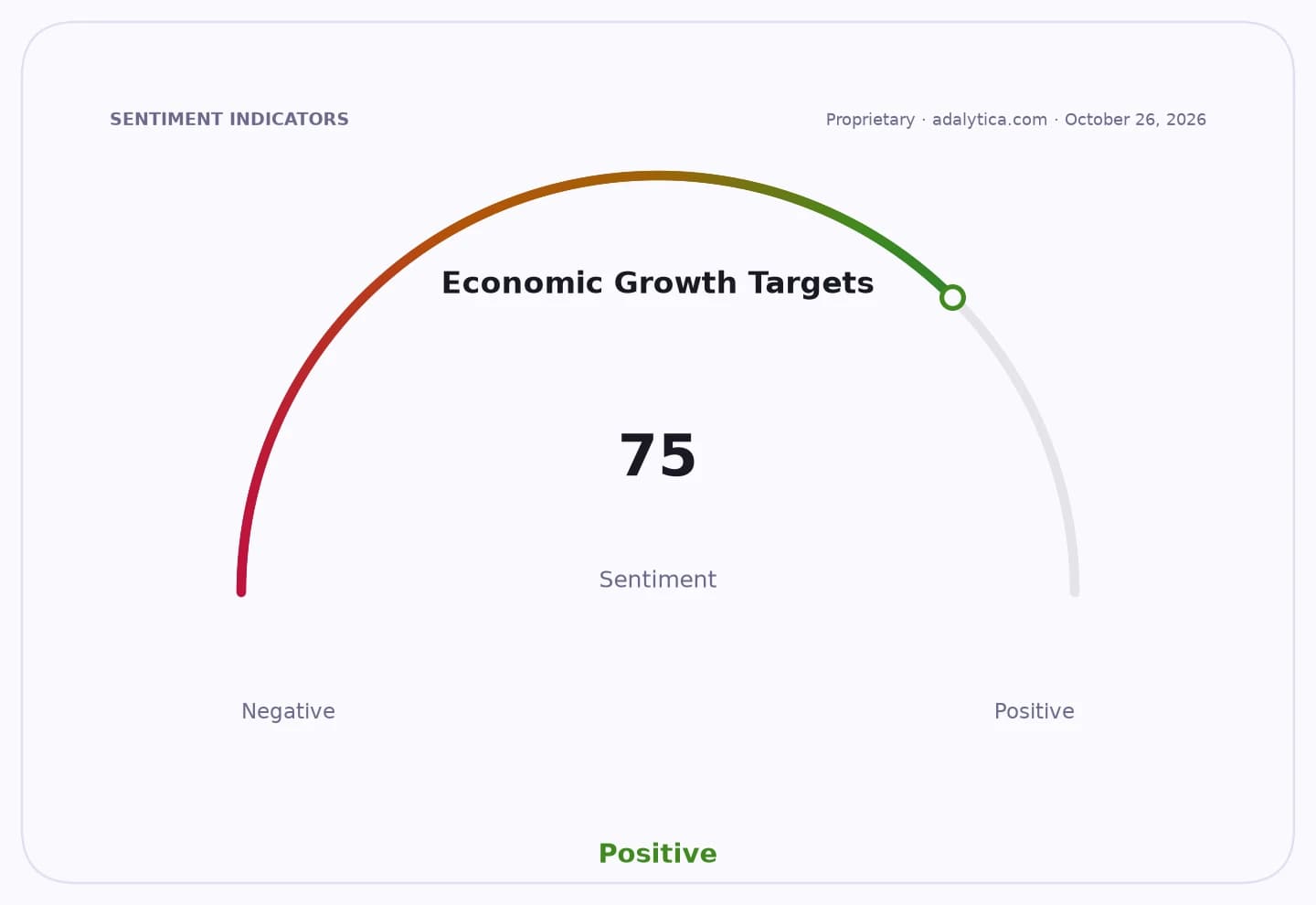
Sentiment Indicators
The strategy is anchored in scale. SGMW says it has built 68 years of automotive experience, sold more than 32 million vehicles globally and exported more than 1.6 million units to more than 120 countries, with exports rising for 10 straight years. It is now targeting presence in more than 150 markets over the next three years, along with 500 global partners and annual sales growth of 50%.
The company’s pitch is that it can compete not just on cheap vehicles, but on a platform of adaptable products, pragmatic in-house technology and flexible manufacturing. Its lineup spans small city cars, SUVs, MPVs and light commercial vehicles, while its systems such as I²MS and I²KD are designed to support modular production and localized assembly.
The most concrete commercial step in Nanning was a strategic cooperation agreement with Malaysia’s Tan Chong Group for CKD battery production for NEVs. That is significant because batteries are the most valuable and politically sensitive component in the EV supply chain, and local battery assembly can help SGMW and its partners reduce tariff exposure, meet content rules and improve pricing in Southeast Asia.
The company also highlighted a first-in-China industrial line using bamboo fiber to replace conventional plastic in auto parts, a sustainability pitch that doubles as a supply-chain story. SGMW said the project will initially source more than 4,000 tons of bamboo a year from 1,000 households across 15 localities, producing 30 million eco-friendly parts annually. For investors, the key question is whether such initiatives can lower material costs, strengthen brand differentiation and support margin stability in markets where EV price competition is intensifying.
Europe remains part of the roadmap, but SGMW’s immediate commercial logic is in ASEAN, where it already says it operates more than 200 after-sales centers and has built localization above 60% in Indonesia with more than 100 local suppliers. That suggests the company is betting that industrial anchoring in Southeast Asia will be a prerequisite for scaling into more regulated markets, including Europe.
For GM, which owns a stake in SGMW, the expansion plan arrives as its China exposure remains under pressure. GM said in its latest filing that industry sales in China fell 18.2% in the first nine months of 2026 to 15.8 million units, underscoring how cutthroat the market has become. SGMW’s overseas pivot may help offset some of that weakness over time, but it also raises execution risk if localization demands, partner coordination and regional competition prove harder than the company expects.
Ford and Toyota also stand to feel the competitive pressure as Chinese automakers increasingly move from low-cost exports to local manufacturing and technology licensing. For investors, the broader message is that the next phase of Chinese auto expansion is likely to be judged less by shipment volumes and more by how effectively brands build durable industrial ecosystems abroad.
| Entity | Gains | Losses |
|---|---|---|
| SGMW / Wuling | ▲Broader overseas footprint | ▼Higher execution burden |
| Southeast Asian partners | ▲Local jobs and supply chain | ▼Margin pressure from competition |
| GM | ▲Potential China diversification | ▼Ongoing China sales weakness |
| Global incumbents | ▲Need for local partnerships | ▼Share loss to Chinese EV rivals |