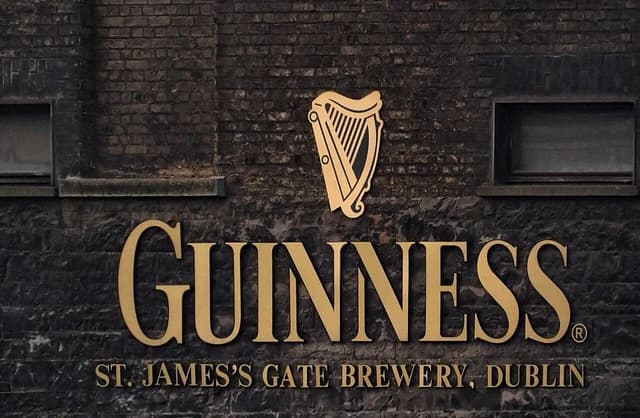
Diageo is betting its turnaround on Guinness, doubling production of the stout brand even as it cuts jobs and absorbs about $1.2 billion of restructuring costs to reset the business for growth.
Diageo Doubles Guinness Production, $1.2 Billion Reset

The move matters because it tells investors where the drinks giant sees real demand in a sluggish spirits market: not across the board, but in a handful of premium brands with pricing power and global reach. Guinness has become one of Diageo’s clearest growth engines, and the company is now shifting capital, management attention and factory output toward the brand while trimming other parts of the cost base.
Sentiment IndicatorsⓘProprietary · adalytica.com · August 6, 2026
This is a snapshot — live sentiment, awareness and momentum for 130+ markets update continuously in the dashboard.Open AlphaPulse
Diageo said the two-year programme will include about $850 million of operating-framework changes and roughly $150 million of supply-chain savings, with the cost of the operating changes front-loaded in fiscal 2026. The company said those savings are intended to fund the turnaround without reducing operating profit, while restructuring charges will weigh on near-term results.
For investors, that is the classic trade-off in a branded consumer business: take pain now, protect the moat later. Diageo is effectively saying that scale, efficiency and mix improvement will matter more than maintaining headcount and legacy complexity. If the plan works, the reward is a leaner company with better margins and a stronger premium portfolio; if it stalls, shareholders are left with the costs and less room for disappointment.
The shares were already trying to recover from a rough stretch, and the latest leg higher suggests the market is willing to give management time to prove the reset. Conventional technical indicators also show the stock has rebounded sharply from oversold levels, with the relative strength index climbing well above deeply depressed readings earlier in the year.
Diageo also sounded more confident on the broader industry backdrop, saying the spirits market remains resilient and that North America should return to modest growth even with the market still down. That matters because it places Guinness not just as a bright spot, but as a product with enough momentum to outgrow a still-cautious consumer environment.
The long-term question for investors is whether this is a one-brand story or the start of a broader operating revival. Guinness can carry a lot of weight, but a sustainable rerating will also require Diageo to show that its premiumisation strategy, cost cuts and supply-chain gains can translate into durable free cash flow and earnings growth.
For patient investors, the message is straightforward: Diageo is trying to make itself simpler, faster and more focused on the brands that matter most. That is usually how strong consumer franchises rebuild value over time, and it is worth watching closely.
| Entity | Gains | Losses |
|---|---|---|
| Diageo | ▲Higher margins; simpler structure | ▼Near-term restructuring costs |
| Guinness | ▲More production; bigger investment | ▼Other brands compete for resources |
| Shareholders | ▲Potential long-term value creation | ▼Job cuts and transition risk |
| Employees in legacy units | ▲— | ▼Headcount reductions |