Diamondback Energy is expanding its core Midland Basin footprint with a $2.15 billion cash-and-stock deal for Double Eagle subsidiaries, a move that adds undeveloped inventory, lifts future production and is expected to be immediately accretive without forcing the shale producer to materially change its drilling plan.
Diamondback Energy buys Double Eagle assets
The transaction gives Diamondback roughly 176,000 net acres in the heart of the basin and an estimated 2027 oil output of about 35,000 barrels a day, or 92,000 barrels of oil equivalent a day. Diamondback said the assets are valued at about 4.0 times estimated 2027 EBITDA, a price that suggests it is still able to buy high-quality Permian inventory at a disciplined multiple even as the industry favors consolidation over expensive greenfield drilling.
Sentiment Indicators
The deal is designed to be leverage neutral, with Diamondback paying about 15.56 million shares plus cash funded through cash on hand, borrowings or term loans. For investors, that matters because it preserves financial flexibility while increasing cash flow per share, free cash flow per share and net asset value per share, the company said.
Diamondback’s timing also reflects confidence in the geology. Chief Executive Kaes Van’t Hof said the company’s understanding of the emerging Barnett zone has improved since 2022 and that the acquisition “nets up” a partnership it was already developing with Double Eagle. He said the company does not need to add a rig or materially alter its development plan, easing execution risk and suggesting the purchase is as much about control and inventory quality as it is about immediate volume.
The company also disclosed early results from its first full-section Barnett development in Spanish Trail in Midland County, where four 10,000-foot lateral wells recently produced a peak of about 7,500 barrels of oil a day and 37 million cubic feet of gas a day. Those numbers point to the kind of well productivity that can support longer drilling runs and stronger returns in a basin where operators continue to prize repeatable, low-cost inventory.
For shareholders, the deal extends a broader strategy of using scale in the Permian Basin to defend growth and returns even as commodity prices remain volatile. Diamondback’s own stock has fallen to $177.41 from above $210 in late October, while its 14-day relative strength index has dropped to 27.4, a sign the shares have recently been oversold as oil sentiment turns sharply weaker.
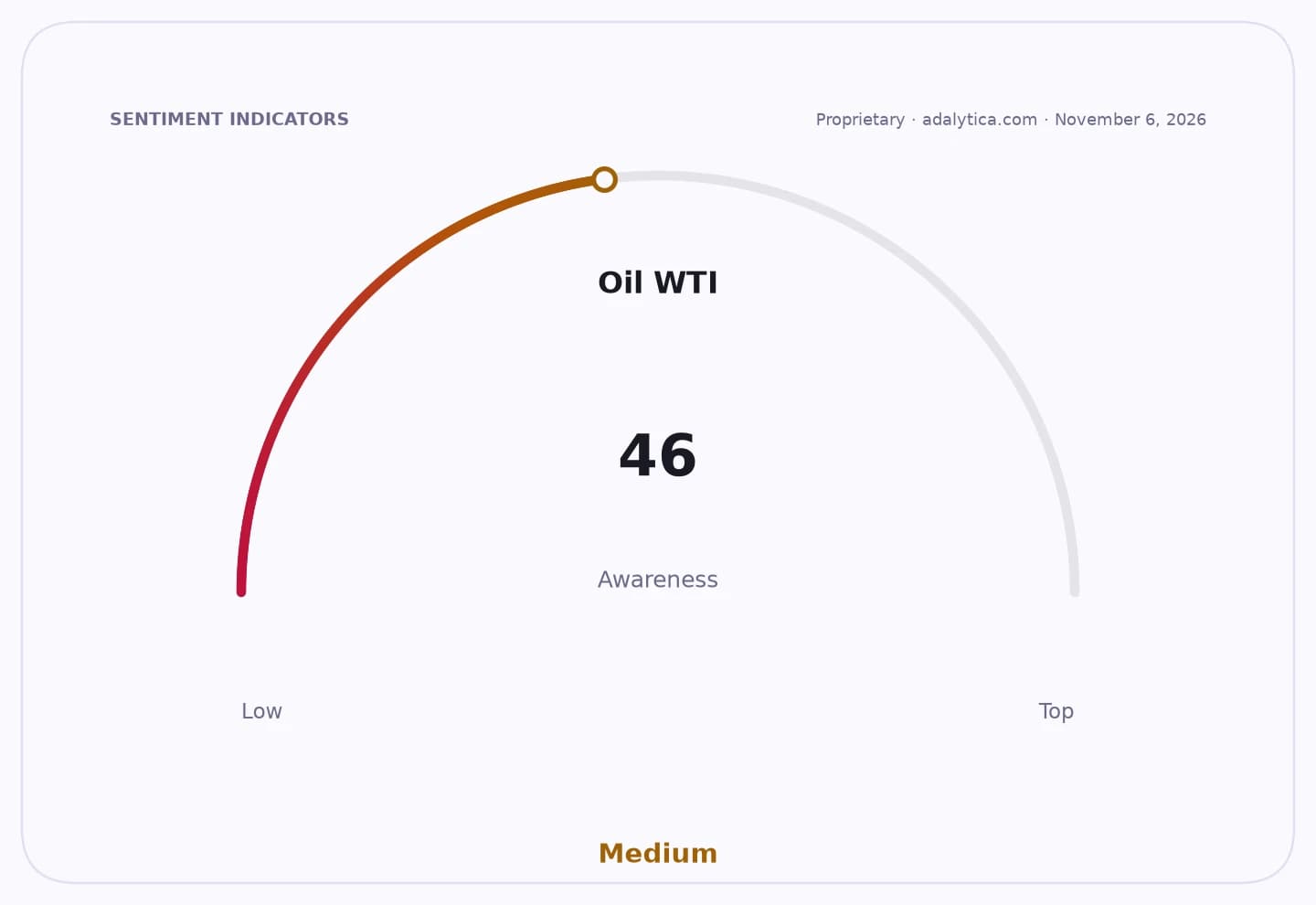
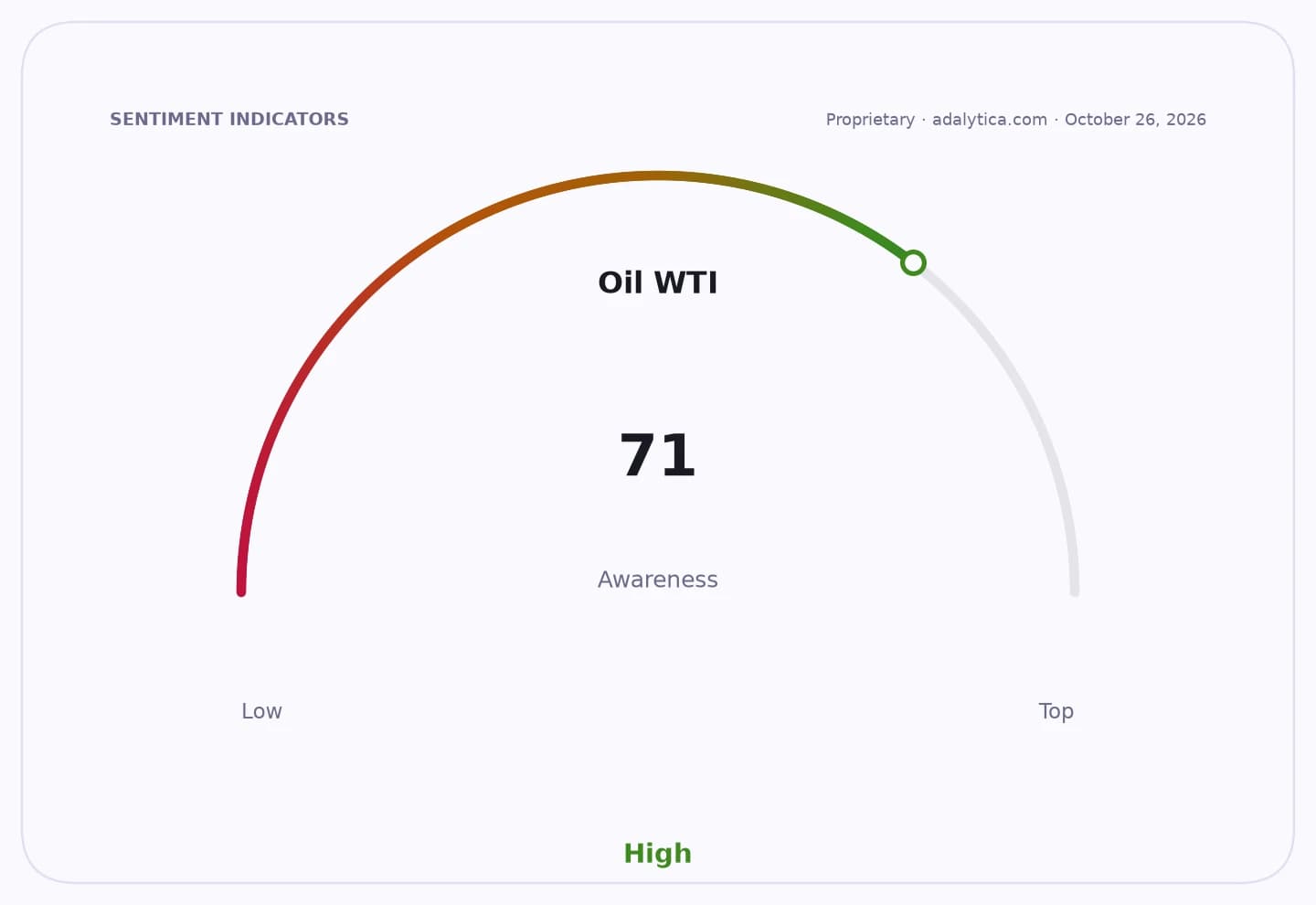
That backdrop matters. Adalytica’s WTI gauge shows oil trade sentiment in fear territory at 27, with awareness at an extreme-fear reading of 4, underscoring the market’s caution around crude demand and pricing. In that environment, transactions that add inventory without stretching leverage tend to be rewarded more than aggressive acreage bids.
The acquisition is expected to close on Dec. 21, subject to customary conditions. If completed as planned, it will reinforce Diamondback’s standing as one of the most active consolidators in the Permian and put more emphasis on whether the Barnett zone can keep delivering the kind of returns needed to justify further basin-scale development.
| Entity | Gains | Losses |
|---|---|---|
| Diamondback Energy | ▲More core Midland inventory | ▼Near-term cash and dilution |
| Double Eagle sellers | ▲Cash exit and stock consideration | ▼Future upside in assets |
| Shareholders | ▲Higher cash flow per share potential | ▼Integration and commodity risk |
| Rival Permian bidders | ▲Less prime inventory available | ▼Fewer acquisition targets |