The dollar fell after another US labor-market reading reinforced bets that the Federal Reserve is moving closer to a less restrictive policy stance, pressuring the greenback broadly and giving a lift to currencies tied to higher-risk assets.
Dollar Falls After US Jobless Claims Ease Rate Bets

The move matters because foreign-exchange markets are increasingly trading on the path of US rates rather than the current level of growth. A softer labor backdrop reduces the need for the Fed to keep policy tight for long, trimming the dollar’s yield advantage and weakening demand for the currency against peers. For investors, that shifts the near-term playbook toward lower US yields, a softer dollar and a more supportive backdrop for emerging-market currencies and commodities.
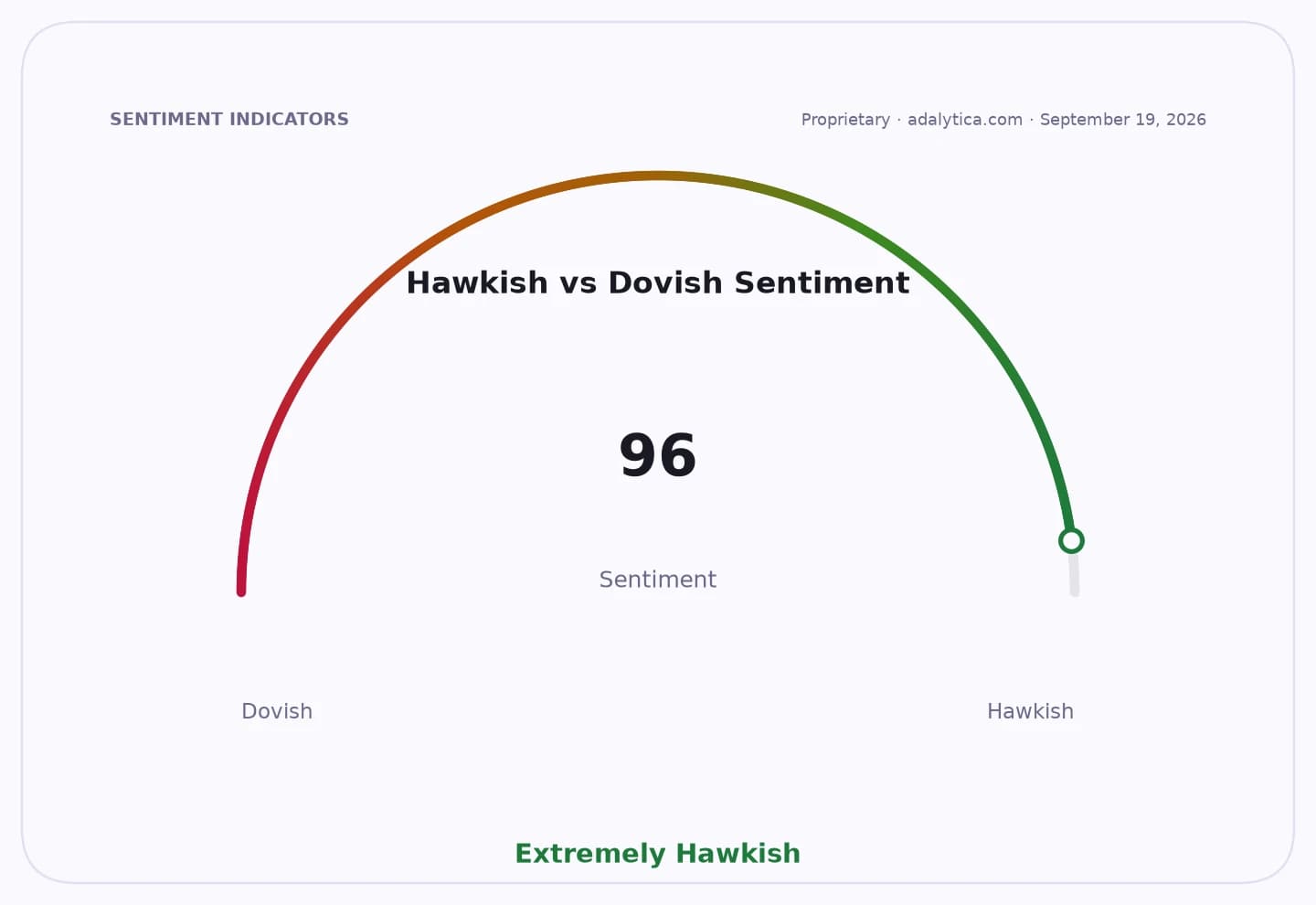
Sentiment IndicatorsⓘProprietary · adalytica.com · September 3, 2026
This is a snapshot — live sentiment, awareness and momentum for 130+ markets update continuously in the dashboard.Open AlphaPulse

In local trade, the dollar opened down 6.4 pesos, changing hands at 932.7 pesos for sellers and 931.2 pesos for buyers by 9:27 a.m. The weaker dollar coincided with a small rise in copper on the London Metal Exchange, where the metal gained 0.03% to $6.51 a pound, offering additional support to the Chilean peso.
The catalyst was a US weekly jobless-claims reading of 206,000, close to the 205,000 expected but above the previous 204,000, which traders read as evidence that the labor market is cooling modestly rather than overheating. That came alongside remarks from Fed Governor Christopher Waller, who suggested the central bank could pause if inflation keeps improving. Together, the data and policy comments led markets to dial back expectations for another rate hike in September.
UNRATE vs DGS2 — macro contextadalytica.com
Explore this data interactively — full history, time series and cross-market comparisons.Open AlphaPulse

That repricing is important well beyond the dollar. A less hawkish Fed typically pulls Treasury yields lower, eases financial conditions and reduces pressure on emerging-market currencies that are sensitive to the US rate cycle. It also matters for commodities, because a softer dollar tends to make dollar-priced metals cheaper for non-US buyers.
The local currency response reflects that broader macro trade. Chile’s peso tends to benefit when the dollar weakens and copper firms, and the current setup leaves it exposed to the next US labor release. Markets are now looking past the jobless-claims report to the services and manufacturing PMI readings later in the day, but the bigger test is Friday’s payrolls report, which could either confirm the cooling narrative or force investors to rebuild Fed tightening bets.
For now, the dominant message is that the market is moving toward the view that US policy is becoming less restrictive, and that is enough to keep the dollar under pressure unless incoming data re-accelerate.
| Entity | Gains | Losses |
|---|---|---|
| Chilean peso | ▲Dollar weakness | ▼USD/CLP longs |
| Copper | ▲Softer dollar demand support | ▼Importers facing higher USD costs |
| US Treasuries | ▲Lower rate-cut expectations | ▼Yield bulls if data stay soft |
| Dollar bulls | ▲Strong payrolls surprise | ▼Fed-dovish positioning |