The Dominican Republic won a meaningful vote of confidence from Fitch Ratings, which raised the sovereign credit rating to BB from BB- and kept the outlook stable, a move that should make it easier and cheaper for the country to finance itself in global markets.
Dominican Republic Fitch Upgrade to BB
That matters because sovereign ratings are more than a badge. They influence borrowing costs, access to capital and how international investors judge a country’s ability to weather shocks. For the Dominican Republic, the upgrade signals that the economy is doing enough right on growth, fiscal discipline and external balance to stand out from peers in the BB category.
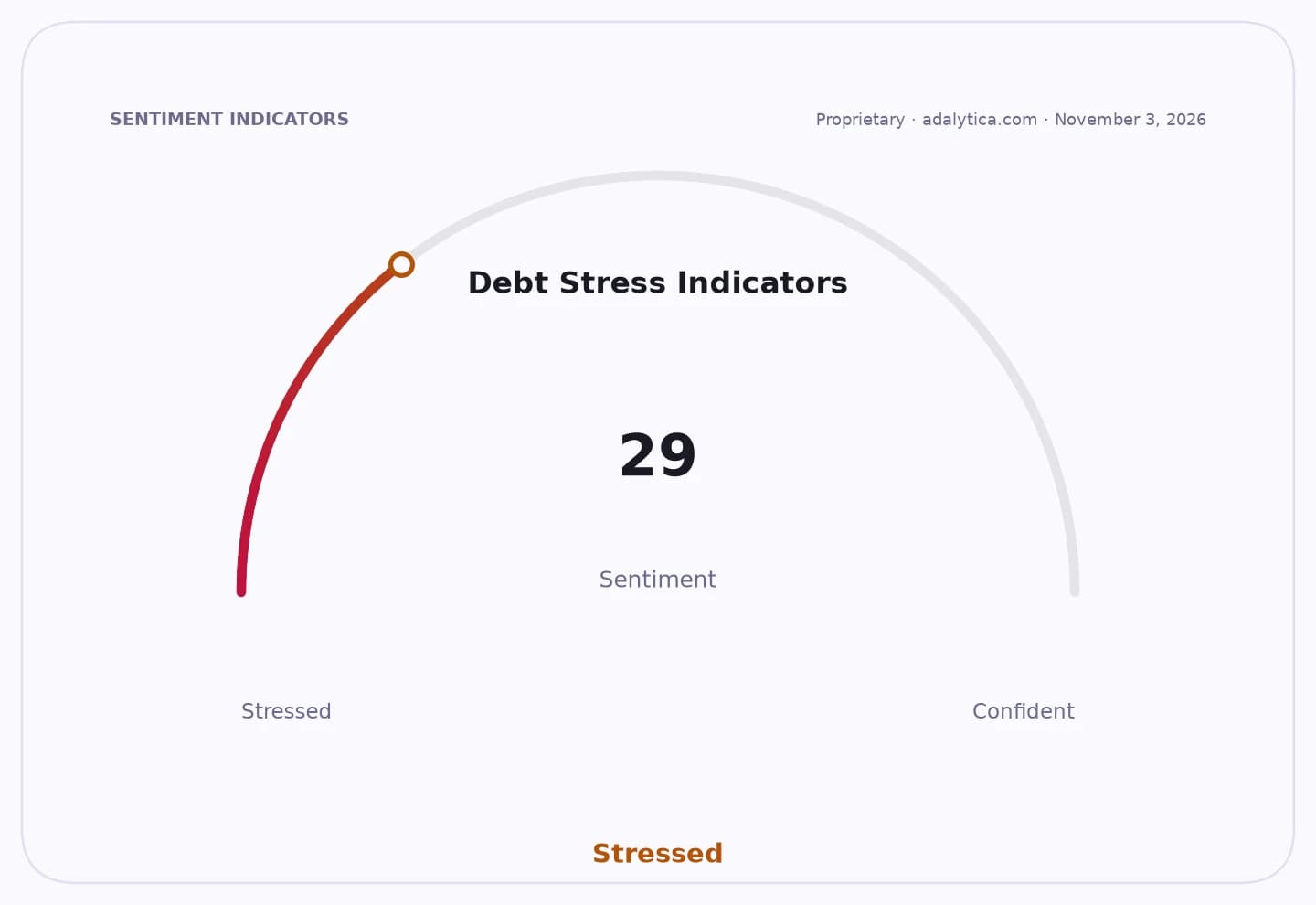
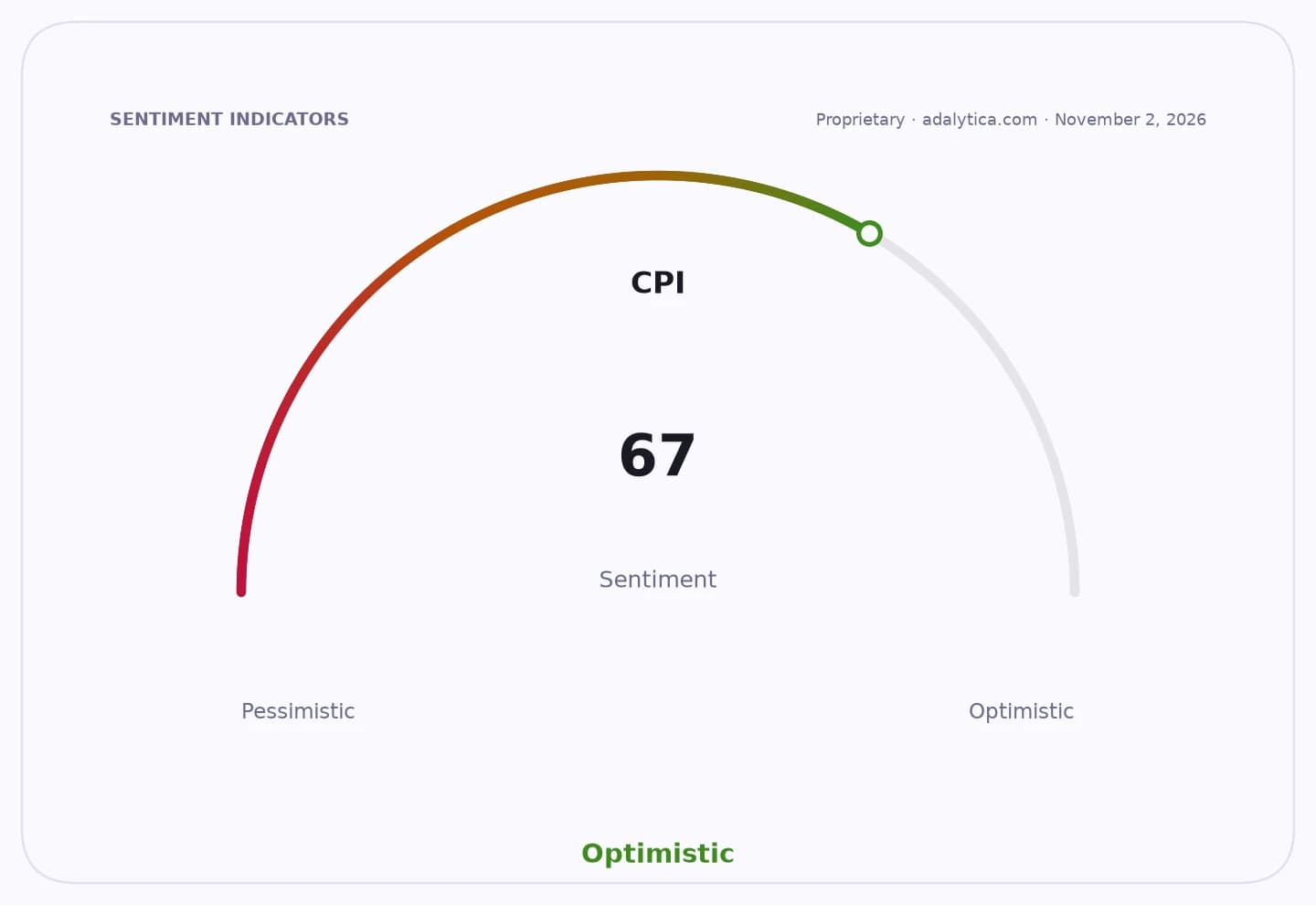
Sentiment Indicators
Fitch said the upgrade reflects solid medium-term growth prospects, resilient public finances and improved policymaking. The agency also raised its 2026 GDP growth forecast to 4.5% from 3.5%, well above the 3.5% median for countries in the BB bracket, and sees growth holding near 4.5% in 2027 and 2028. Tourism, exports, construction and recovering investment are expected to drive that expansion.
For investors, that is the heart of the story. Faster growth combined with contained debt dynamics tends to support sovereign bonds, local assets and foreign direct investment. Fitch expects central government debt to end 2026 at 47.9% of GDP, below the 52.5% BB median, while the current account deficit is projected to narrow to 1.2% of GDP, helped by tourism, remittances, exports and foreign investment.
The upgrade also points to something investors often underestimate: institutions matter. Fitch said the Dominican government’s June 2026 anti-crisis plan helped lift the country’s assessment, and it removed a previous negative qualitative adjustment tied to structural factors. In plain terms, the agency is saying the policy framework is becoming more credible and more durable.
That credibility carries real economic value. A better rating can broaden the investor base, reduce risk premiums and improve the terms on which the government and Dominican borrowers tap overseas markets. Fitch also raised the country ceiling to BB+, citing greater exchange-rate flexibility and fewer restrictions on currency transfers, which should be supportive for capital flows and business confidence.
The key question now is whether the Dominican Republic can keep converting growth into stronger public finances. Fitch’s stable outlook suggests the agency sees the current policy mix as sufficient for now, but future moves will depend on whether tax measures, spending discipline and external resilience hold up through a less forgiving global backdrop.
For long-term investors, the message is constructive: a small open economy with improving ratings, steadier debt metrics and a stronger external position is the kind of market that can keep attracting capital if policymakers stay disciplined. It is worth watching, especially for investors seeking emerging-market exposure with improving fundamentals.
| Entity | Gains | Losses |
|---|---|---|
| Dominican government | ▲Lower financing risk | ▼Less room for policy slippage |
| Sovereign bond investors | ▲Better credit profile | ▼Fewer distressed-price bargains |
| Local businesses | ▲Easier capital access | ▼Higher pressure to maintain discipline |
| BB-rated peers | ▲Benchmark pressure | ▼Relative standing slips |