Inflation in the Dominican Republic is cooling, but not enough to give the central bank a clean path to cut borrowing costs, keeping the policy rate at 5.50% and leaving investors focused on when price growth can settle comfortably inside the target band.
Dominican Republic Inflation Cools, Rate Stays at 5.50%
CPI
The latest reading showed annual inflation at 5.12% in September 2026, with core inflation at 4.61%, a sign that underlying price pressures are easing even as the headline rate remains a touch above the central bank’s 4.0% plus or minus 1.0% target range. That matters because inflation, not just growth, is what determines whether households can preserve purchasing power and whether businesses can plan investment, wages and financing costs with confidence.
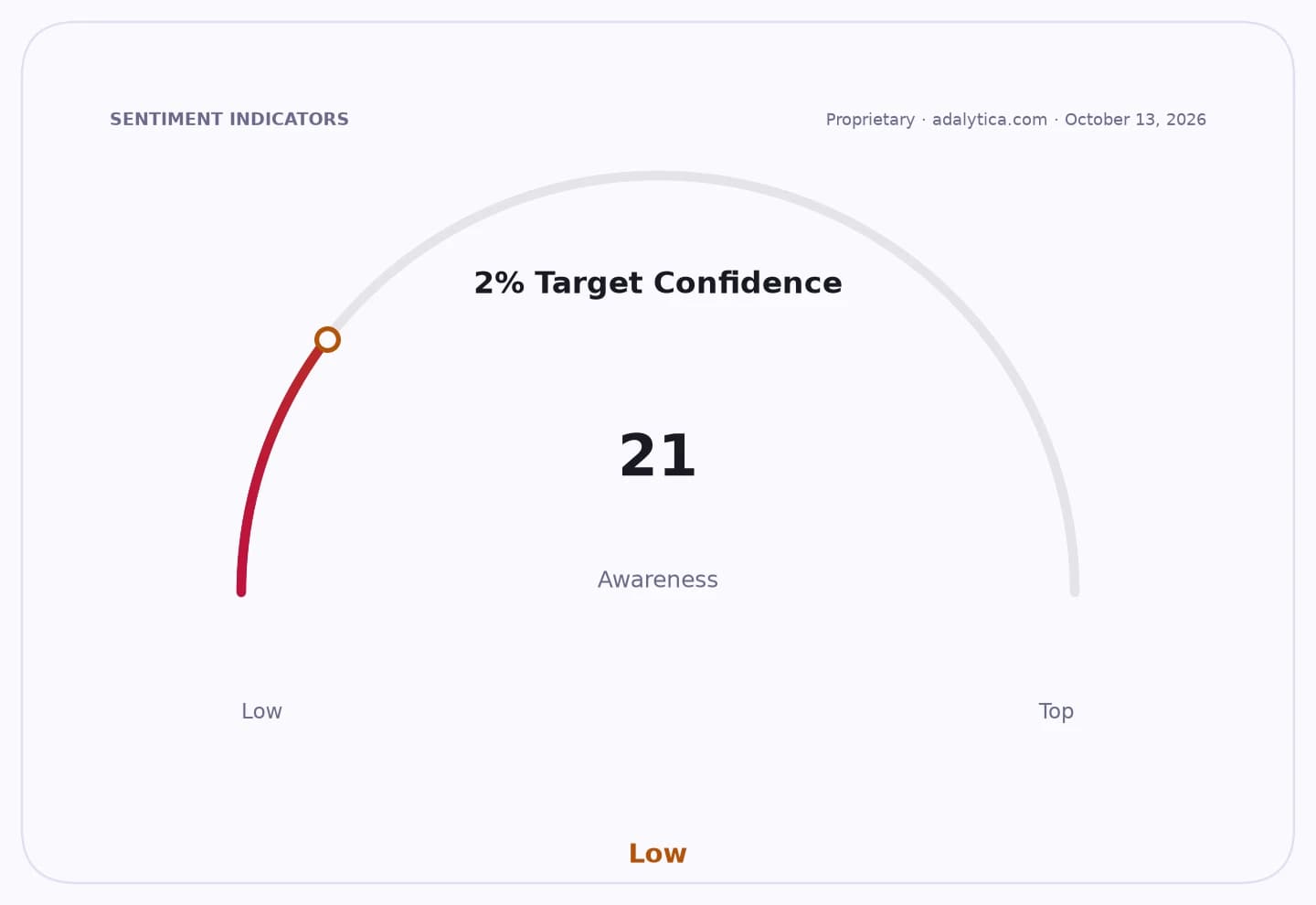
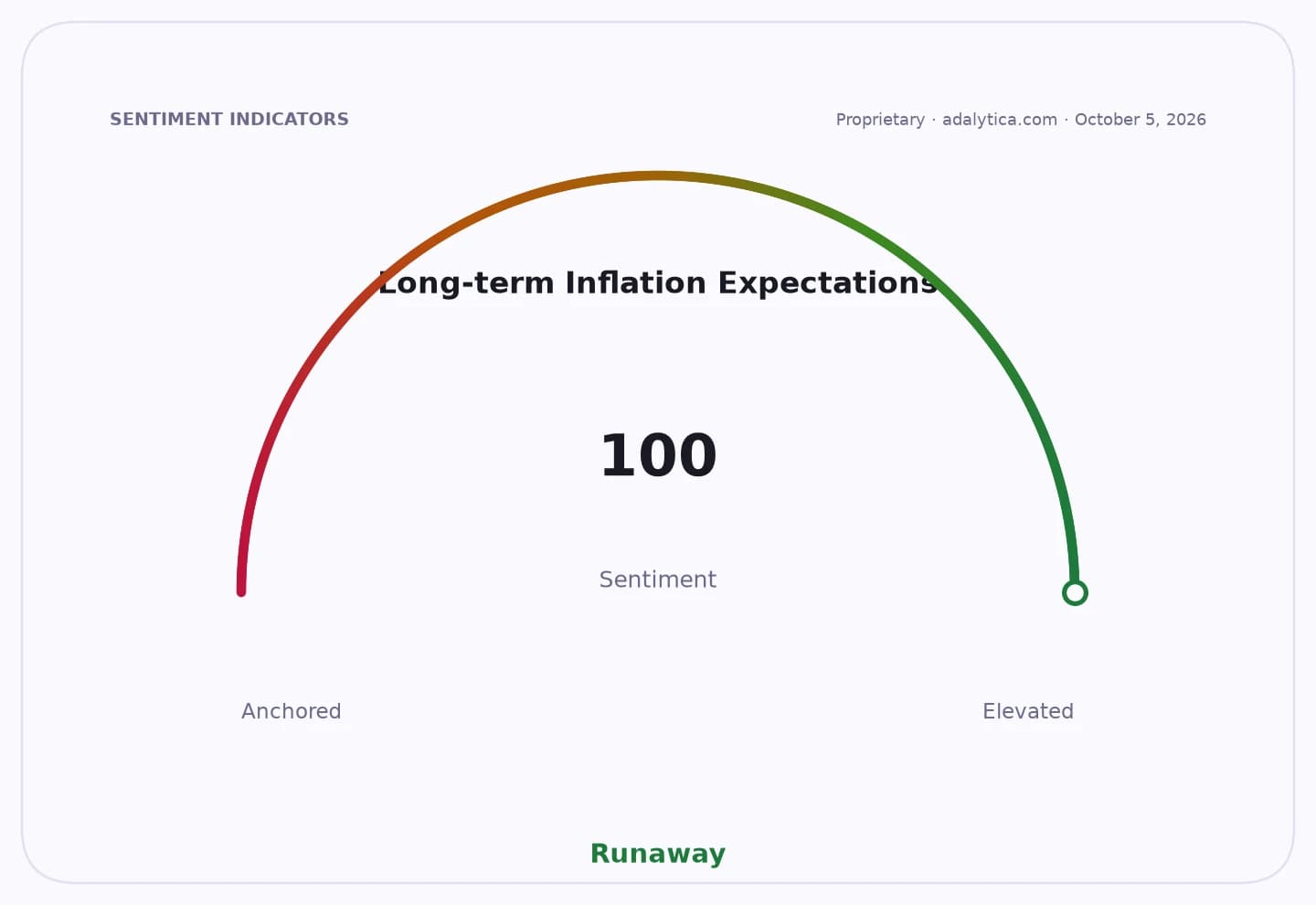
Sentiment Indicators
For consumers, the slowdown is welcome but hardly a victory lap. Food and fuel still bite into budgets, and the cost of basic staples remains high enough that the lowest-income households are squeezed hardest. Chicken prices, rice, eggs, beans, sugar and cooking oil all remain elevated, while gasoline and diesel prices continue to make transport and logistics expensive. When the first income quintile’s food basket nearly matches the private-sector minimum wage, the inflation story stops being abstract and becomes a question of real spending power.
For policymakers, the good news is that the disinflation trend appears to be broadening. The central bank expects inflation to return to its target range in the final quarter of 2026, helped by energy subsidies and a peso that has strengthened by about 4% against the dollar through late October. That combination lowers imported inflation and eases pressure on prices of goods tied to global markets. The IMF’s projection that inflation will end 2026 at 4.9% supports the view that price growth is slowing, even if it is not yet fully under control.
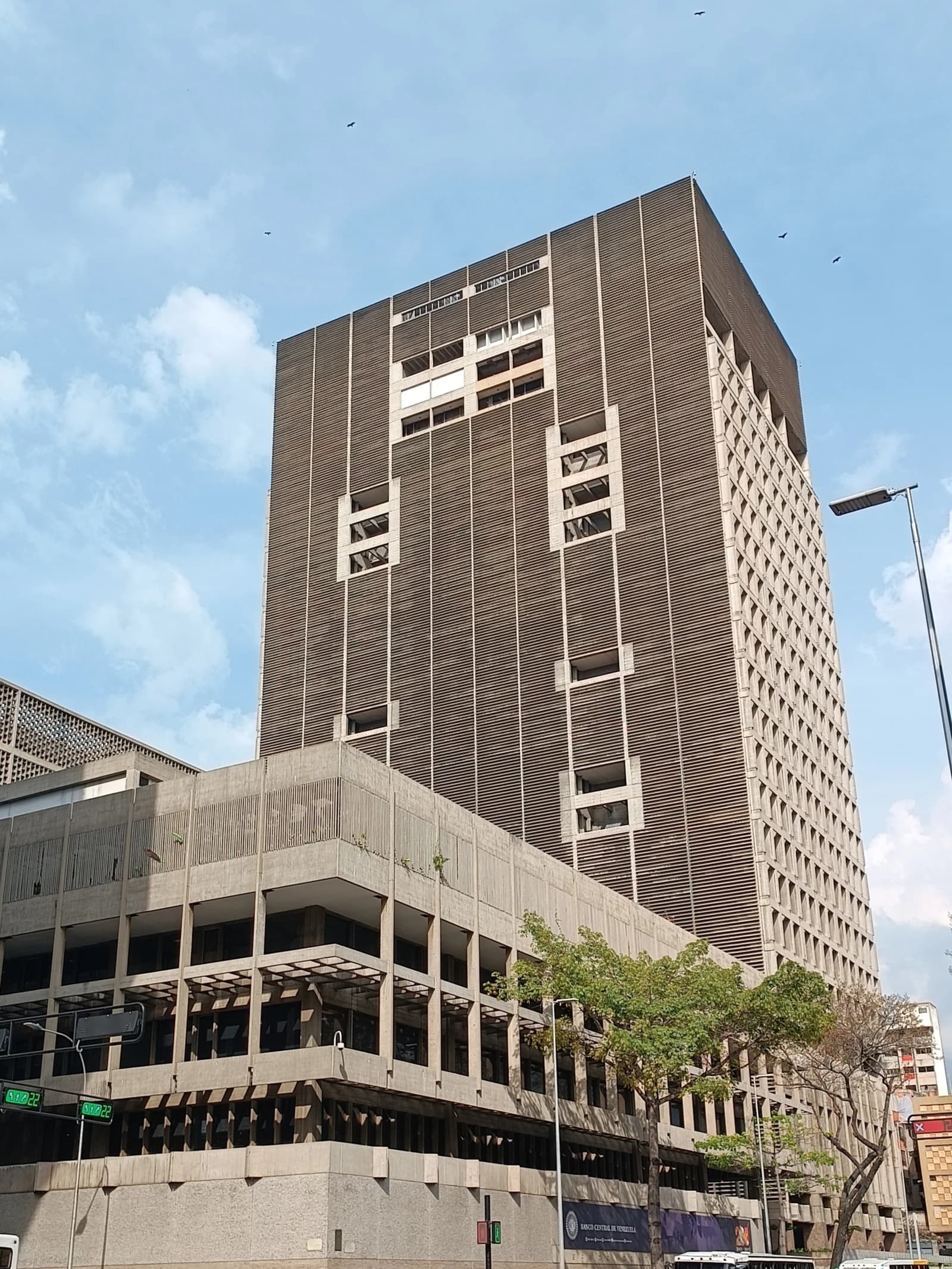
That is why the Banco Central de la República Dominicana has kept its benchmark rate at 5.50%. Holding steady may look conservative, but it protects credibility at a time when the economy is still exposed to external shocks, including energy disruption linked to the conflict between the United States and Iran. Central banks rarely earn a bonus for cutting too early, and this one appears determined not to repeat that mistake.
Investors should read this as a story about patience, not panic. Lower inflation is ultimately bullish for local bonds, credit quality and long-term business planning, but only if it proves durable. If price growth continues drifting toward target, the door opens to easier monetary policy later in 2026 or early 2027. Until then, the higher-for-longer rate backdrop still favors companies with pricing power, strong cash flow and limited exposure to imported costs. For long-term investors, the message is simple: Dominican macro conditions are improving, but the final mile of disinflation is usually the hardest. Worth watching.
| Entity | Gains | Losses |
|---|---|---|
| Consumers | ▲Slower price increases | ▼Still-pressed household budgets |
| Banco Central de la República Dominicana | ▲More room to hold credibility | ▼Less room to cut rates quickly |
| Bondholders | ▲Better inflation outlook | ▼Real yields may stay high for now |
| Importers of fuel and food | ▲Peso strength eases costs | ▼Global shocks can still lift prices |