The Dominican Republic’s opposition PLD used a constitutional commemoration to sharpen a broader political message: the country’s economy and democracy need stronger institutions, because public trust in the presidency, Congress, the courts and the police remains weak.
Dominican Republic PLD cites weak trust in institutions
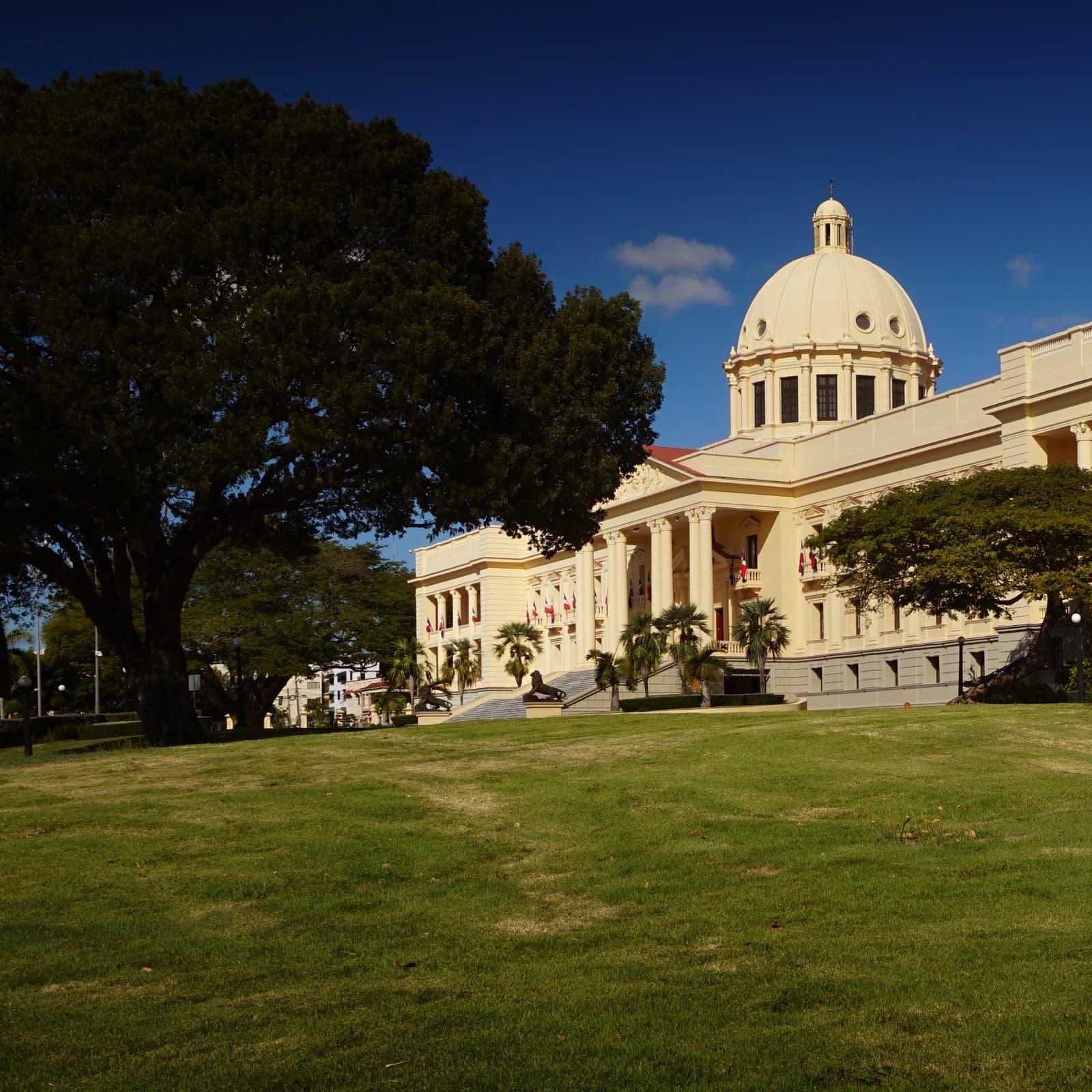
That matters well beyond a ceremonial speech. Investors do not buy bonds, build factories or lend money in a vacuum; they price in whether laws are enforced, contracts are respected and state institutions can function without political interference. When confidence in the government is only 28% and trust in the judiciary is also 28%, as the party cited from a Latinobarómetro survey, the debate shifts from symbolism to governance risk.
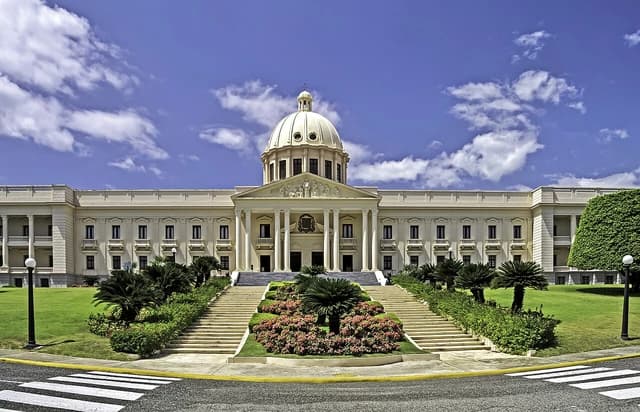
Temístocles Montás, a vice president of the Partido de la Liberación Dominicana, said democracy cannot rest only on periodic elections. It requires credible institutions, separation of powers, transparency and respect for the law. The PLD framed those comments at an event in San Cristóbal marking 182 years since the Constitution, with party officials laying a floral tribute at the Monument to the Constituyents and handing copies of the Constitution to children and teenagers as a symbolic call for civic stewardship.
The political subtext is clear: the PLD is positioning itself as a defender of constitutional order and institutional balance at a time when public skepticism appears widespread. The survey figures cited by the party also showed 68% of Dominicans do not feel represented by Congress, while confidence in the police was put at 24% and in political parties at 20%. For businesses and long-term investors, those numbers are not just polling trivia. They point to a governance environment where reform credibility, policy continuity and rule-of-law enforcement can become as important as growth targets.

That also helps explain why institutional quality remains central to the Dominican Republic’s investment story. The country has been one of the region’s steadier growth markets over the years, but sustained expansion depends on more than GDP gains. It depends on whether citizens and companies believe the state can deliver fair regulation, enforce contracts and preserve checks and balances. Without that foundation, even solid economic numbers can fail to translate into durable confidence.
For investors, the immediate market impact is limited, but the longer-term implication is important: political legitimacy and institutional trust shape the discount rate that foreign and domestic capital applies to the country. A stronger constitutional order can support lower risk premiums, more predictable policymaking and better private-sector planning. A weaker one can do the opposite.
The PLD’s message is therefore less about a single anniversary than about the investment climate that institutions create. For long-term investors, the story is worth watching because countries that strengthen trust in their public institutions tend to attract more stable capital than those that do not.
| Entity | Gains | Losses |
|---|---|---|
| PLD | ▲Institutional credibility narrative | ▼Little short-term policy leverage |
| Dominican investors | ▲Better rule-of-law backdrop | ▼Ongoing governance uncertainty |
| Government | ▲Pressure to improve trust | ▼Public confidence ratings |
| Citizens | ▲Stronger constitutional protections | ▼Weak representation perception |