Prince William’s Duchy of Cornwall is pressing ahead with plans to sell about 3,000 acres of land in Devon, and the way the estate handles tenants now matters as much as the sale itself.
Duchy of Cornwall Plans Devon Land Sale
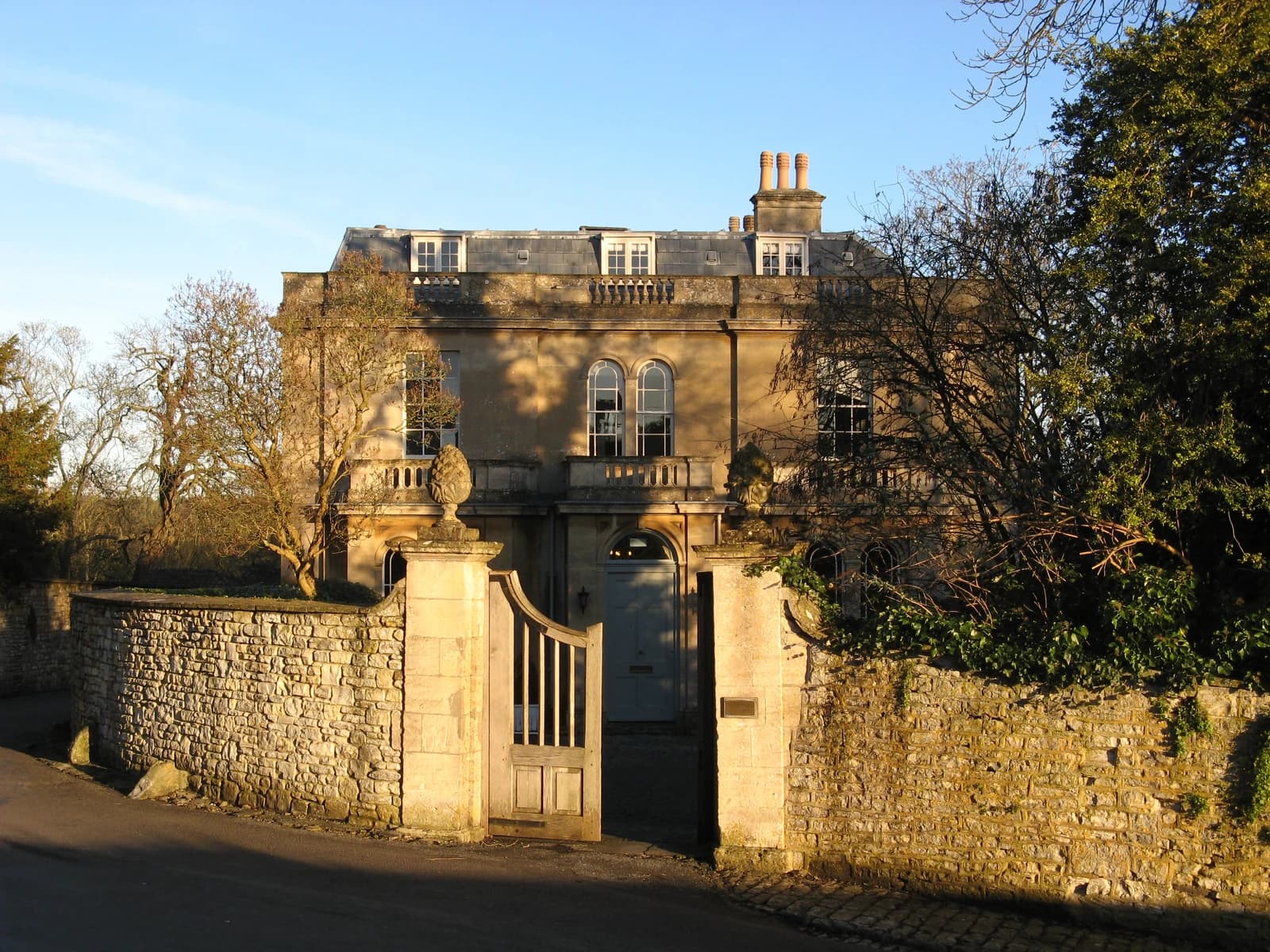
The proposed disposal of the Bradninch estate, land the Duchy has held for nearly 700 years, is part of a broader reset aimed at funneling capital into housing, nature recovery and renewable energy. For tenants facing the prospect of buying homes and farms they have occupied for years, the issue is both financial and personal: pricing, valuation fairness and the pace of negotiations will determine who can stay and who may have to move.
Sentiment Indicators
Estate officials have responded by commissioning fresh independent valuations after residents complained some farms were priced too high. Matthew Morris, the Duchy’s rural director, was described as “all apologetic” in a meeting with tenants, underscoring the sensitivity of a transaction that affects family farms and residential properties alike.
The Duchy says all tenants are being offered first refusal, often with discounts that reflect tenure and investment in the property. Eight of nine farming tenants are actively exploring purchases, while around two-thirds of residential tenants are considering the same option, suggesting the estate may be able to narrow the sale without a wholesale breakup of local livelihoods.
The move fits William’s attempt to modernize a medieval estate and align it with public priorities he has promoted through Homewards and the Earthshot Prize. The Duchy, established in 1337 and valued at more than £1 billion, provides the heir to the throne with about £30 million in annual private income, so how it reallocates capital has implications for both the royal balance sheet and the communities living on its land.
Investors are not watching this as a tradable event, but the story matters for capital allocation, land values and the politics of housing supply. The wider backdrop is a policy push, including a proposed 0.2% tax on abandoned land, to force underused property into more productive use — a trend that raises the cost of hoarding land and may encourage more disposals across the UK.
For the Duchy, the next test is whether the revised valuations and individual negotiations keep tenants onside while advancing William’s long-term strategy. Any further friction could slow the sale and complicate a broader redesign of how the estate monetizes land and invests for the future.
| Entity | Gains | Losses |
|---|---|---|
| Duchy of Cornwall | ▲Capital for new investment | ▼Short-term tenant friction |
| Prince William | ▲Modernized estate strategy | ▼Public criticism if valuations anger tenants |
| Farming and residential tenants | ▲Chance to buy with discounts | ▼Risk of higher prices or forced relocation |
| Local communities | ▲Potential housing and reinvestment | ▼Uncertainty during negotiations |