Piedmont Realty Trust is using a tighter office market and cheaper refinancing to turn a still-challenged property sector into a more predictable earnings story, and investors responded by pushing the stock above $10 for the first time in months.
Piedmont Realty Trust Raises Outlook on Office Strength
The core development is not just that Piedmont lifted its full-year earnings outlook for a third straight quarter. It is that the landlord is now pairing unusually strong pricing power in its Sunbelt office portfolio with a materially lower interest burden, giving it a clearer path to growth in core funds from operations without leaning on balance-sheet leverage.
Sentiment Indicators
At last month’s third-quarter call, management said net effective rents reached $29 a square foot in the period, more than 30% above the trailing 12-month average and the highest level the company has reported. For office landlords, that figure matters more than headline rent because it reflects the rent left after concessions and capital spending. In a market where premium workspace is increasingly scarce, tenants are renewing early and landlords are extracting better economics from each lease.
That pricing leverage is being reinforced by the supply backdrop. Piedmont said competitor construction remains scarce across key Sunbelt markets, leaving tenants with fewer high-quality options. The result is a portfolio that is not just holding occupancy, but benefiting from a backlog of signed leases that should convert into earnings as free-rent periods roll off. For investors, that is the difference between a one-off leasing recovery and a more durable improvement in cash flow.
The second pillar is financing. Piedmont issued $230 million of 2.875% exchangeable senior notes due 2031 and used the proceeds to redeem its remaining 9.25% unsecured notes due 2028. That refinancing sharply lowers annual interest expense and eliminates debt maturities until late 2028, reducing near-term refinancing risk at a time when many property owners are still contending with higher borrowing costs. In a capital-intensive sector, the ability to extend maturities while cutting coupon expense is a direct boost to funds from operations and valuation support.
Piedmont is also recycling capital rather than expanding its balance sheet indiscriminately. Management said the company is selling non-core assets and redeploying proceeds into higher-yielding commercial hubs, a strategy aimed at improving portfolio quality and concentrating capital in faster-growing Sunbelt markets. That approach can be accretive if asset sales are priced well and acquisitions remain disciplined, but it also reduces room for error if office demand softens or pricing power fades.
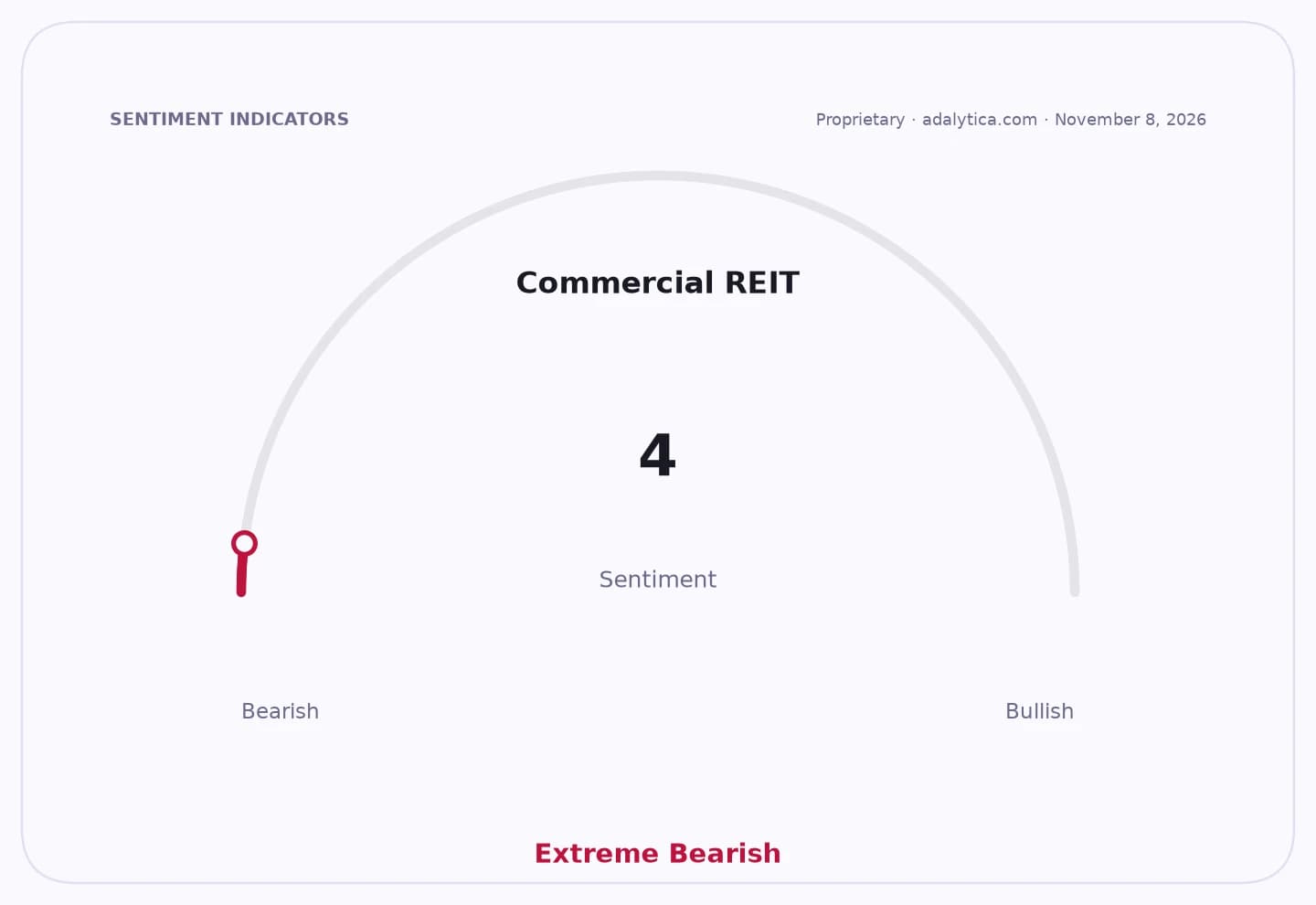
The market has started to price in the improvement. Piedmont shares rose 5.3% after the update and have traded around their highest levels since midyear, while technical indicators including the 50-day moving average and relative strength readings point to improving momentum. Broader REIT sentiment has also recovered, though the sector still faces a split between landlords with strong demand and those tied to weaker central business district office assets.
For long-term investors, the bull case is that Piedmont has built a three-part earnings engine: record rents, lower debt costs and capital recycled into better markets. The bear case is that office demand can still reverse quickly, refinancing windows can narrow, and a sharp move in rates could complicate the company’s next debt cycle. For now, though, Piedmont’s latest quarter suggests the company is moving from defensive survival to a more durable growth profile.
| Entity | Gains | Losses |
|---|---|---|
| Piedmont Realty Trust | ▲Higher FFO and lower interest expense | ▼Less upside if office demand cools |
| Shareholders | ▲Better earnings visibility | ▼Valuation risk if leasing slows |
| Tenants | ▲Earlier lease certainty | ▼Fewer concessions and higher rents |
| Office rivals with weaker assets | ▲None | ▼Lose pricing power and occupancy |