This is where the investment case turns from damage control to optionality. Starhill’s manager said it is pursuing replacement tenants and studying ways to reposition the Perth asset for multiple occupiers, while redevelopment feasibility work is under way. It is also considering distributing part of the gains from recent divestments to soften the DPU impact. That matters because REITs with active capital recycling can offset tenant shocks faster than passive landlords.
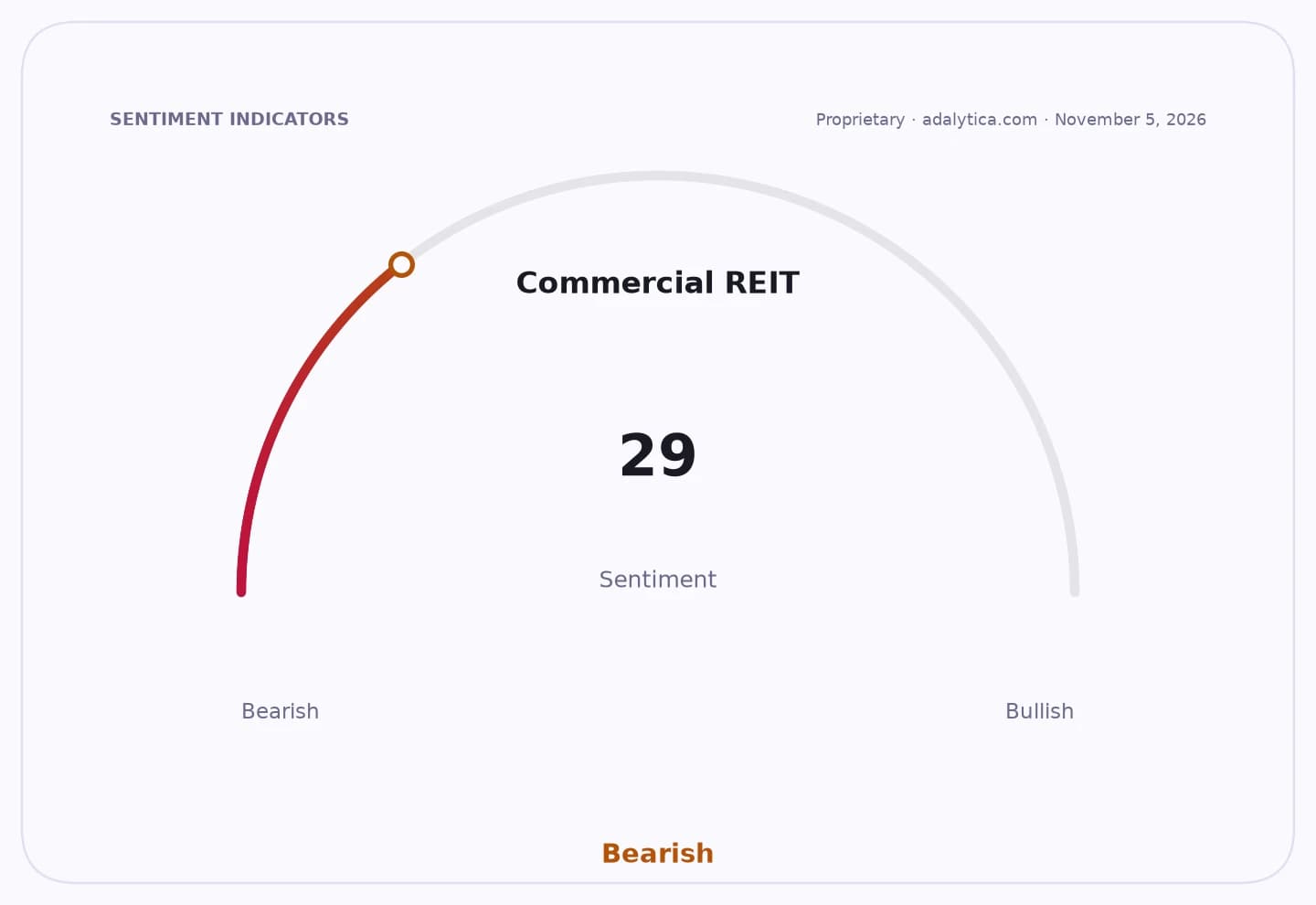
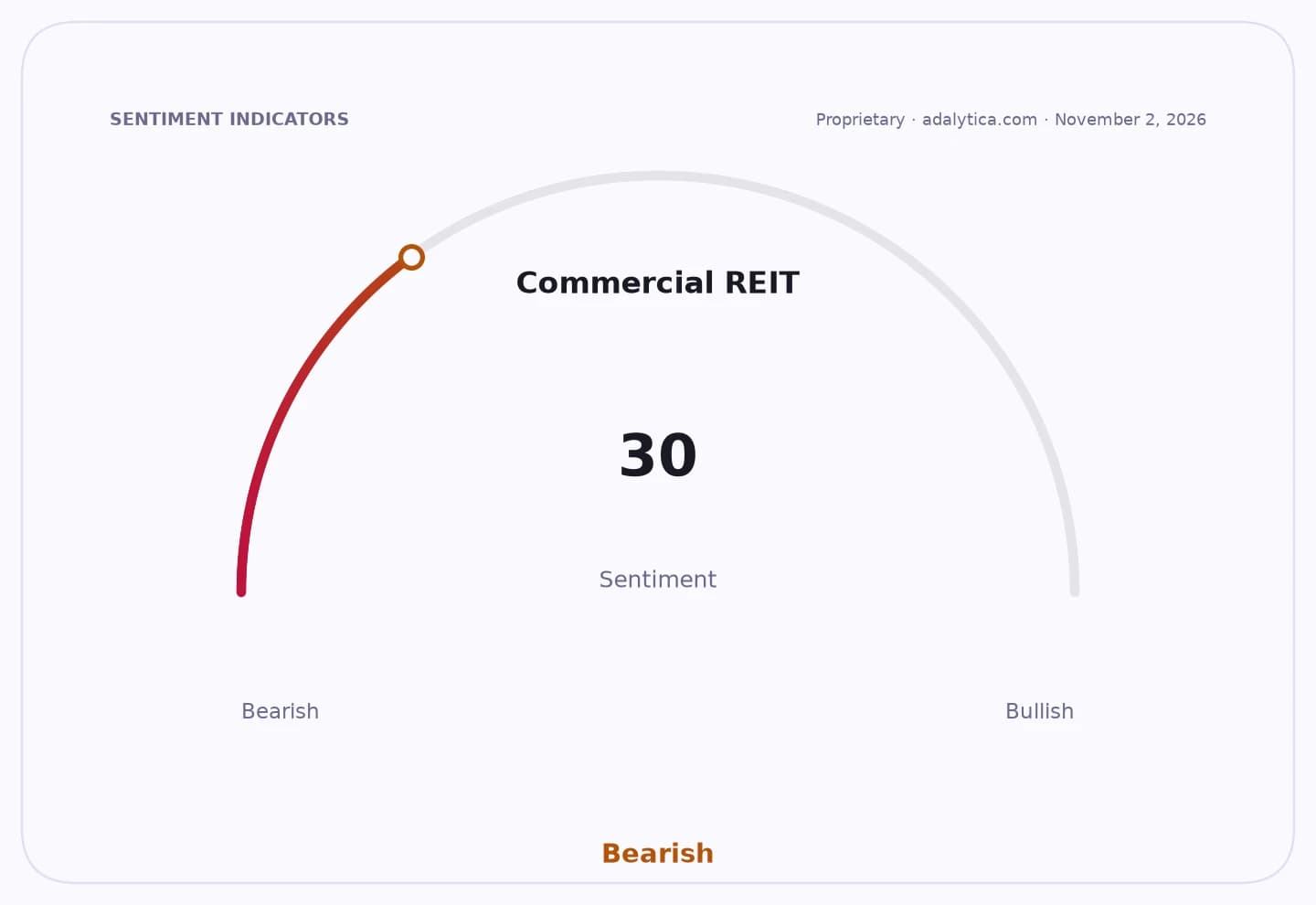
The broader read-through is bearish for commercial property income streams tied to legacy department stores, especially where a single anchor tenant dominates a building. In a market already showing extreme fear toward commercial REITs — according to Adalytica.com sentiment — this is another reminder that occupancy looks stable until it suddenly does not.
For investors, the key question is no longer whether David Jones is weak, but whether Starhill can turn a single-tenant problem into a multi-tenant asset with better long-term yield. If management executes on repurposing and replacement leasing, the selloff risk may prove overstated. If not, the DPU cut is only the first leg of a longer valuation reset.