Dream Industrial REIT said third-quarter diluted funds from operations rose 3.8% from a year earlier, underscoring that industrial property income is still growing even as the broader commercial real estate market remains under pressure.
Dream Industrial REIT Q3 FFO rises 3.8%
The Toronto-listed landlord, which owns logistics and industrial properties across Canada and Europe, reported diluted FFO per unit of C$0.28 for the quarter, while revenue increased 4.7% to C$103.03 million. For investors, the key takeaway is that the trust is still translating a high-occupancy, high-quality portfolio into modest but steady cash-flow growth at a time when higher interest rates and tighter credit conditions have made REIT earnings more difficult to expand.
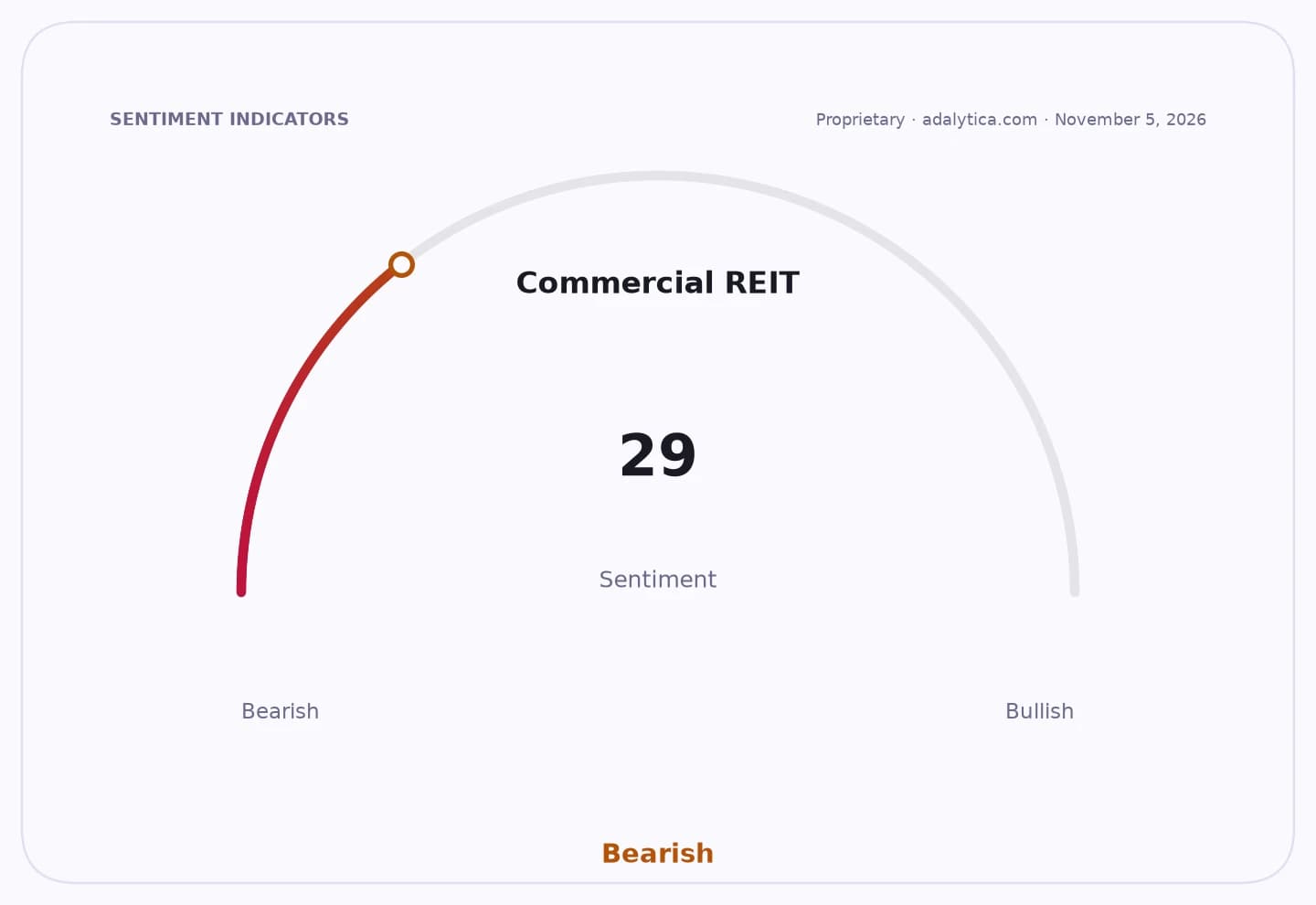
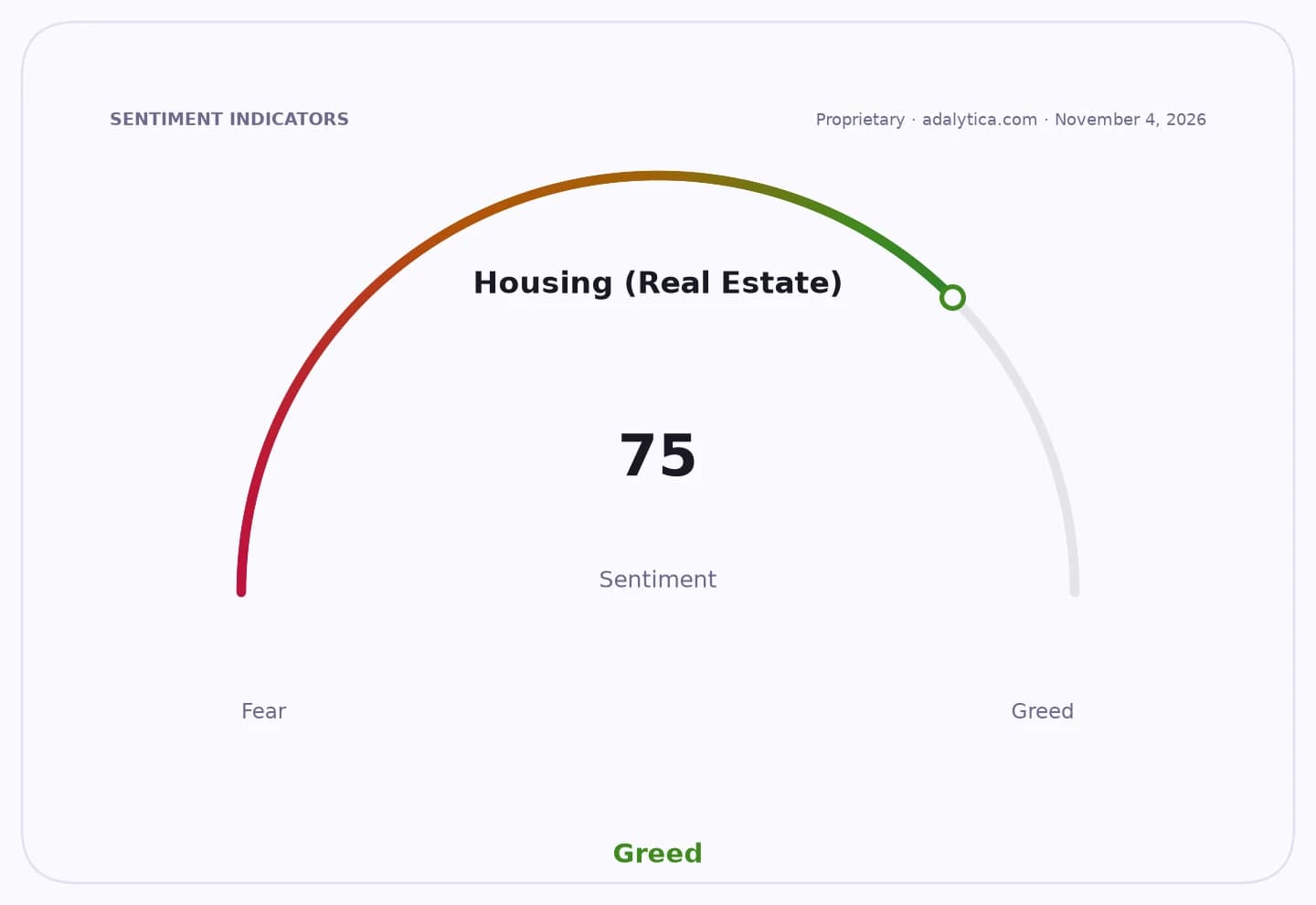
Sentiment Indicators
Industrial real estate has remained one of the more resilient corners of property markets because demand for warehouses, distribution space and light industrial facilities has been supported by e-commerce, inventory rebalancing and supply-chain redesign. That resilience matters economically because rental growth in logistics assets feeds through to landlord cash flow, capital values and refinancing capacity, helping offset the drag from elevated borrowing costs.
The results also land in a market where investors are still favoring income-generating real assets, but are scrutinizing leverage and the sustainability of distributions. Dream Industrial’s earnings growth suggests its lease structure and tenant base continue to provide a cushion, even if the pace is not dramatic enough to imply a broad re-rating on its own. The trust’s ability to keep organic growth positive will matter as debt rolls over and financing costs remain higher than in the low-rate period that lifted REIT valuations earlier in the cycle.
For shareholders, the report supports the bull case that industrial landlords can still post incremental growth without aggressive development bets. The bear case is that cash-flow gains may be too small to fully outrun financing pressure and weaker capital-market sentiment toward property stocks. The next focus will be whether Dream Industrial can keep occupancy, rent spreads and same-property growth moving higher enough to sustain FFO expansion into 2027.
| Entity | Gains | Losses |
|---|---|---|
| Dream Industrial REIT | ▲Higher FFO and revenue | ▼Limited room for disappointment |
| Unitholders | ▲Steady cash-flow growth | ▼Rate and refinancing pressure |
| Industrial tenants | ▲Stable landlord operations | ▼Potential rent increases |
| Competing REITs | ▲Benchmark for sector resilience | ▼Pressure to match growth |