Housing is now the faster-growing business in Galicia, overtaking hospitality in company formation as falling mortgage costs and a still-tight supply of homes pull brokers, agents and transaction-focused firms into the market.
Galicia housing business growth tops hospitality
That matters because real estate brokerage is often the first beneficiary when a housing cycle turns from hesitation to action. More listings, more buyer inquiries and more financing activity translate into higher fee income for agents and service providers well before the broader property market fully heals. In Galicia, the shift suggests the region’s housing market is becoming an engine of local business creation, while tourism-linked activity loses relative momentum.
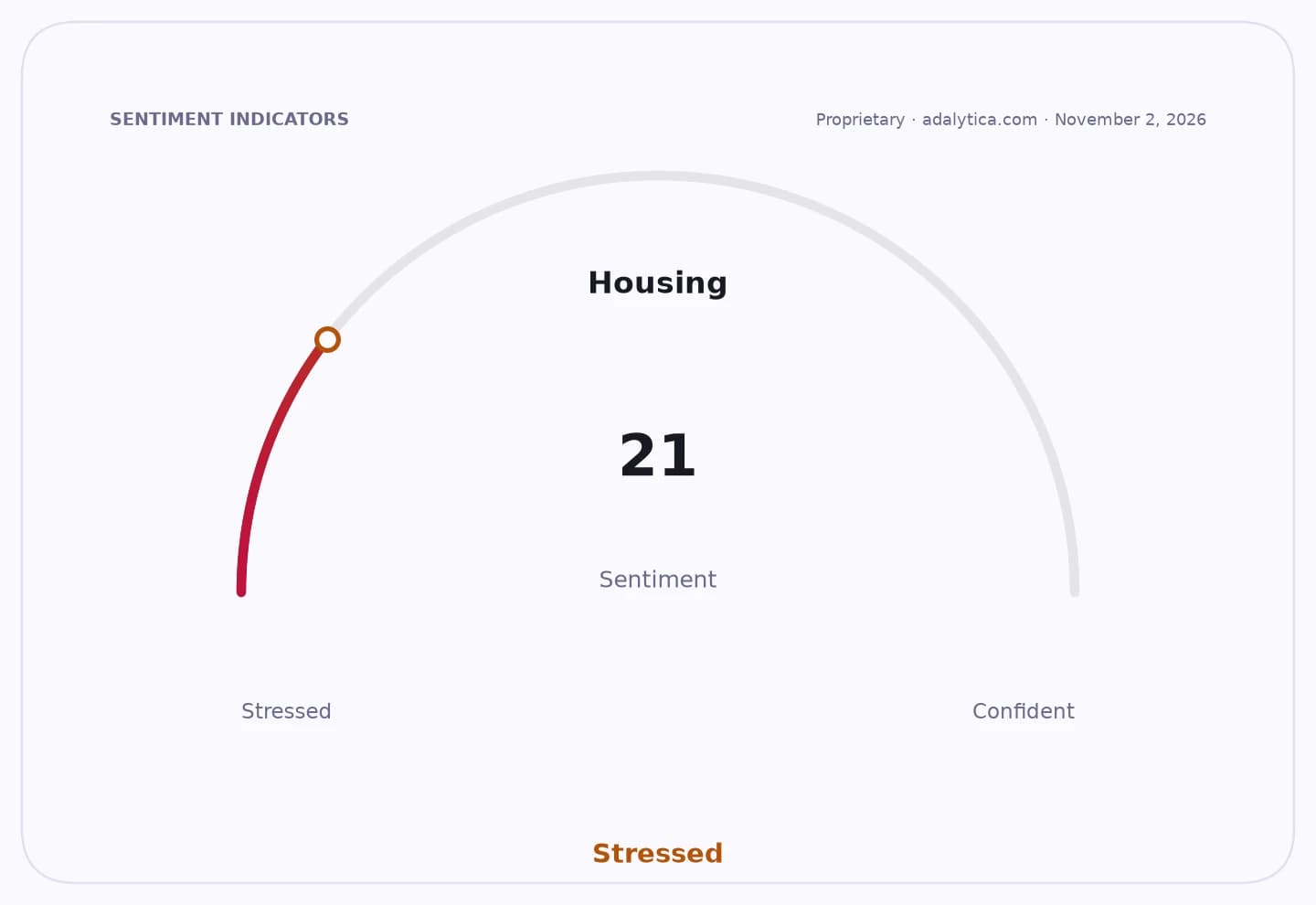
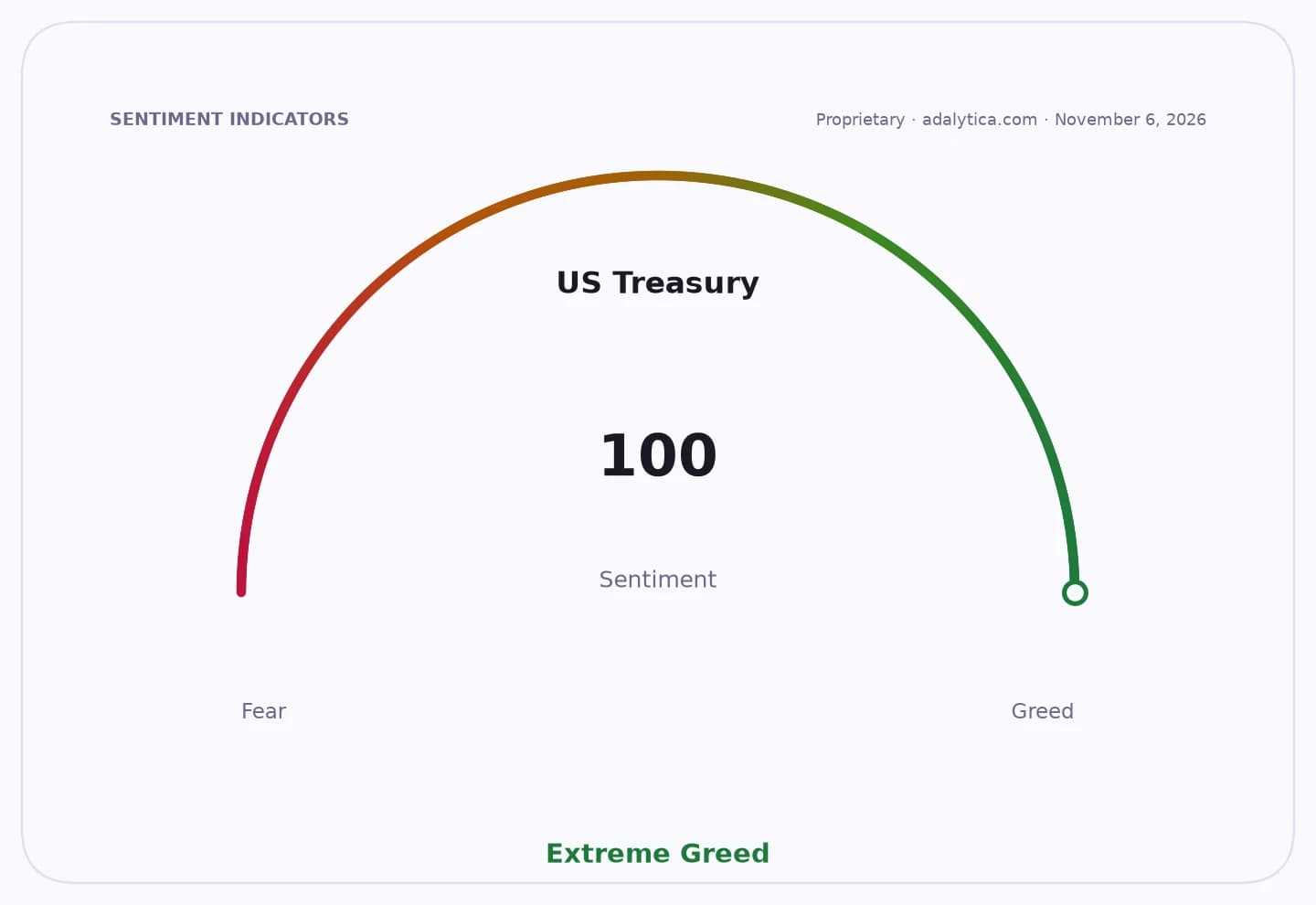
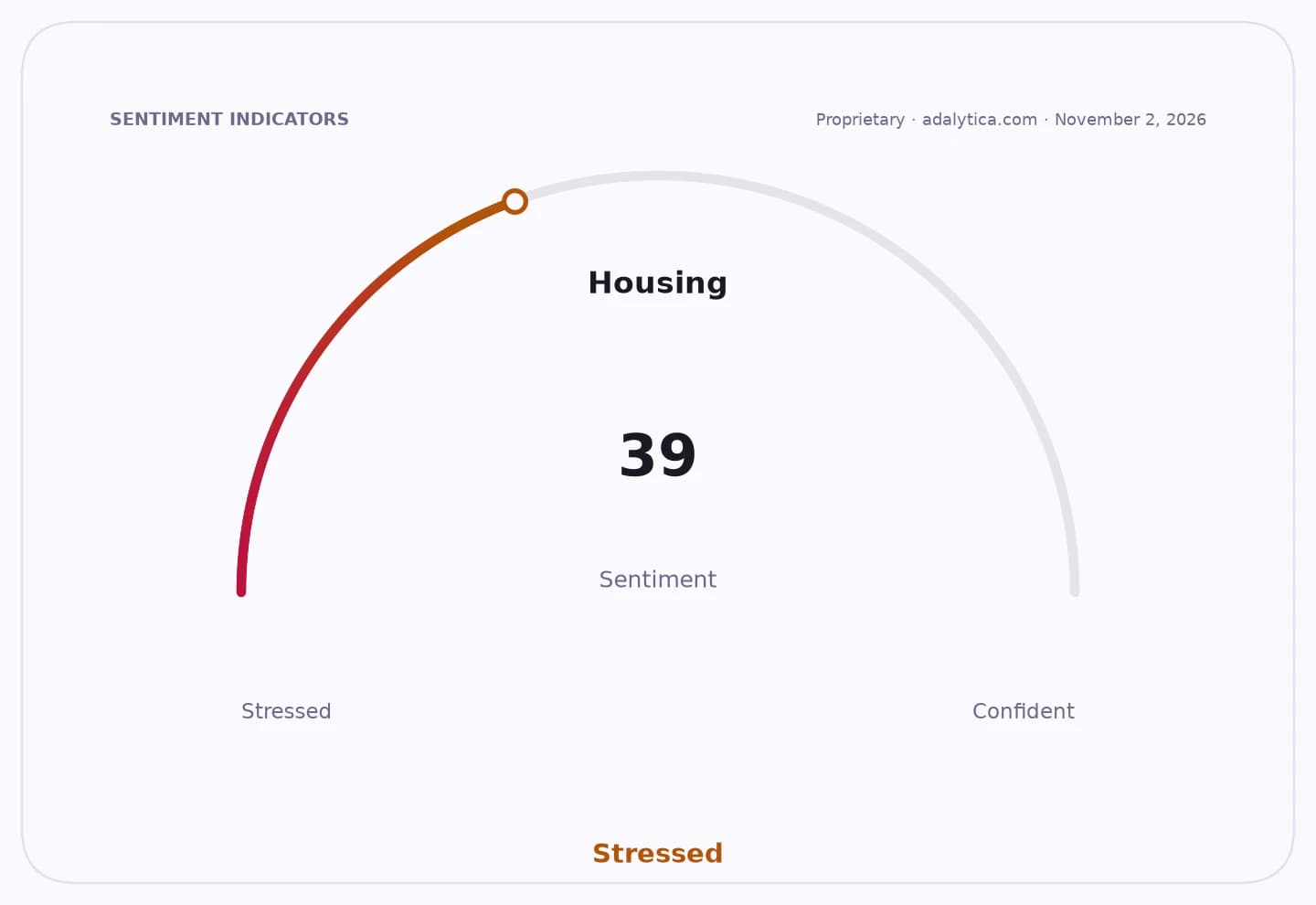
Sentiment Indicators
The backdrop is a funding environment that has become much less hostile for buyers. The U.S. 10-year Treasury yield, a global benchmark for borrowing costs, has eased to about 4.89%, down from recent peaks above 4.95%, helping reinforce the view that rates are no longer moving sharply against housing affordability. That does not mean mortgages are cheap, but it does mean the financing shock that froze parts of the market has started to fade.
At the same time, Spain’s housing market remains structurally constrained. The national house price index has continued climbing, reaching 336.741 in August from 325.566 a year earlier, while residential construction has not kept pace. Housing starts have been volatile and remain well below the pace needed to restore balance, underscoring why brokers and agents are “coming out from under the stones,” as Jorge Garnelo put it. When homes are scarce and demand returns, intermediaries capture the first wave of activity.
That is exactly why investors should pay attention. The market often focuses on headline homebuilders or landlords, but the more immediate winners in an upcycle can be the toll collectors: brokerage, advisory, mortgage origination, property management and transaction platforms. In the U.S., that lens helps explain the violent moves in real-estate service names such as CBRE and JLL, which have both seen sharp swings as investors reprice transaction volume and commercial property risk. For Galicia, the equivalent opportunity is smaller and more local, but the economic logic is the same: more deal flow means more business formation for the people who facilitate it.
It also explains why hospitality may be losing ground in the region’s business mix. Tourism is still important, but it is cyclical and exposed to consumer spending, seasonality and margin pressure. Housing, by contrast, has a deeper structural driver: households still need places to live, and supply is slow to respond. When the cycle turns, that tends to favor firms tied to listings, valuations, legal structuring, financing and property services.
The investment takeaway is straightforward: the market underestimates the second-order winners of a housing recovery. Galicia’s shift toward real estate-led company creation is not just a regional anecdote; it is a read-through for a broader Iberian housing revival that can support brokerage, mortgage and real-estate services before it shows up in the headline developers. For investors looking for asymmetric exposure, the money is often made not in the houses themselves, but in the businesses built around every transaction.
| Entity | Gains | Losses |
|---|---|---|
| Real estate agents | ▲Higher commissions | ▼Hospitality-linked entrants |
| Brokerage firms | ▲More transaction volume | ▼Tourism-dependent businesses |
| Mortgage lenders | ▲Better origination flow | ▼Buyers facing tighter affordability |
| Hospitality sector | ▲— | ▼Relative share of new business creation |