The Federal Reserve’s latest rate hike matters less because it nudges the policy rate higher than because it pushes up the cost of the everyday services Americans cannot easily cut: wireless plans, power bills and the debt used to fund them.
Duke Energy, Verizon, AT&T Face Higher Rates
That is the investment story the market is underpricing. Higher rates do not just hit mortgages and credit cards. They also raise the financing burden for capital-intensive utilities and telecom companies, which borrow heavily to build networks, poles, cables, towers and generation capacity. Those costs eventually flow through to consumers in the form of higher phone and utility bills, even as inflation remains sticky and the Fed signals it is willing to keep pressure on borrowing costs.
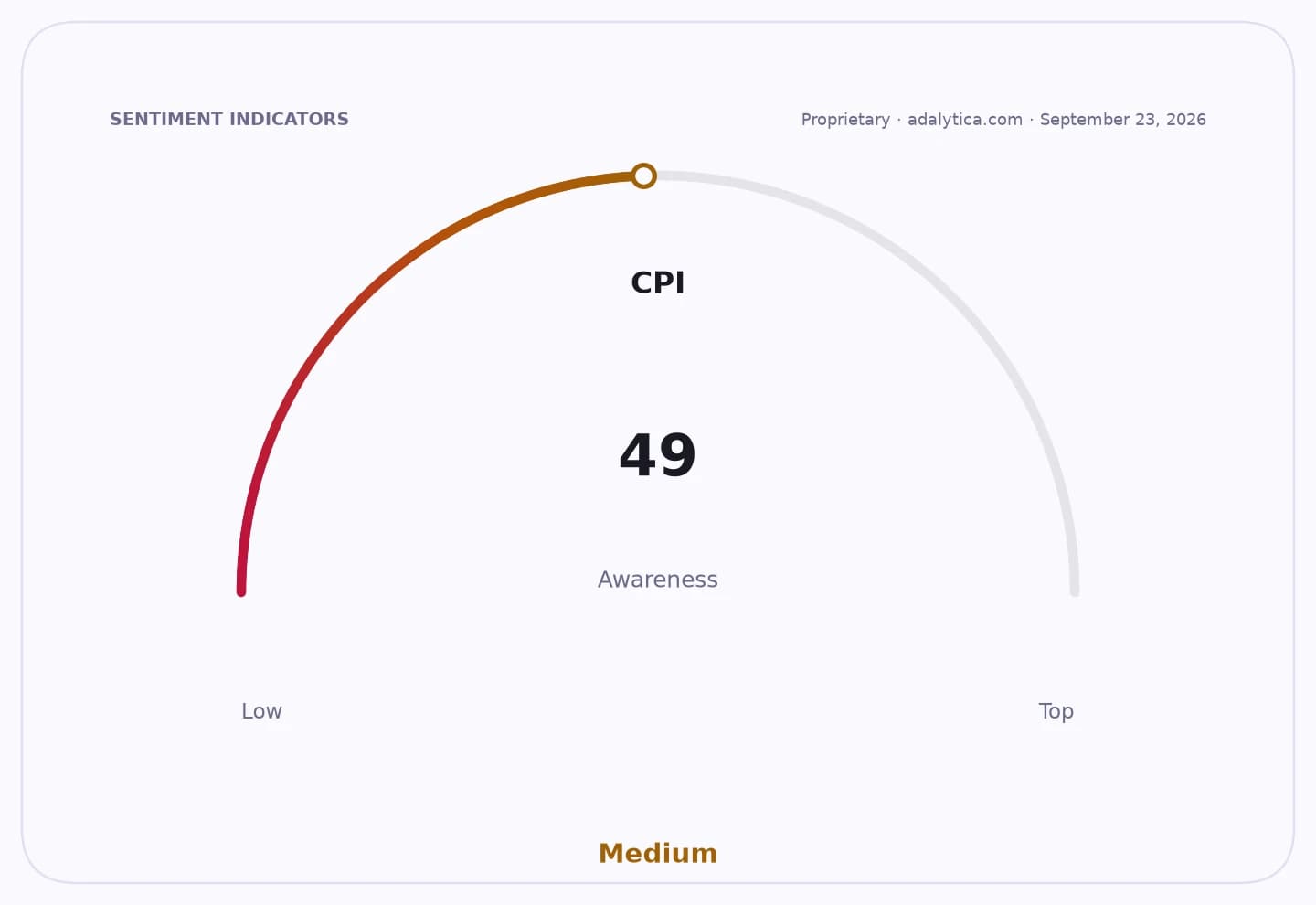
Sentiment IndicatorsⓘProprietary · adalytica.com · September 19, 2026
This is a snapshot — live sentiment, awareness and momentum for 130+ markets update continuously in the dashboard.Open AlphaPulse
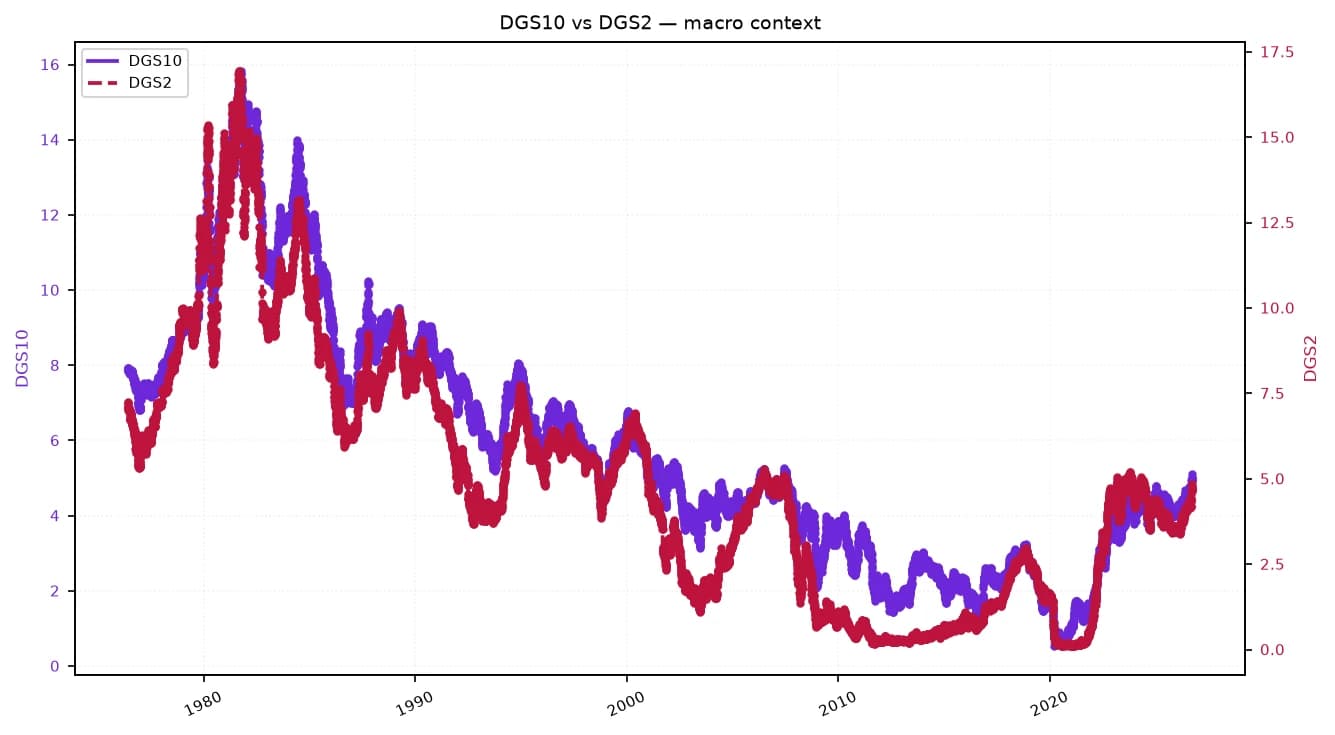
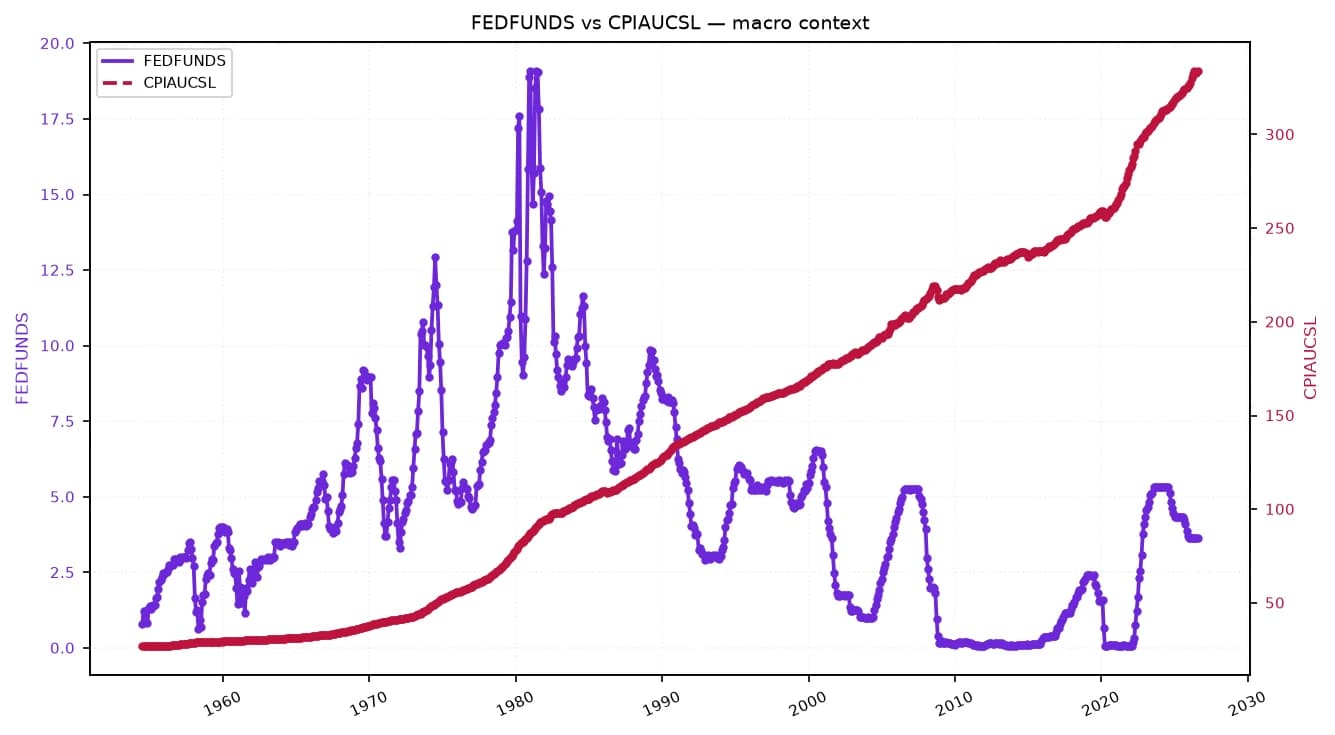
The macro backdrop is already doing the Fed’s work for it. The policy rate sits around 3.63%, while the 10-year Treasury yield has climbed back near 5%, a level that tightens financial conditions for rate-sensitive sectors. Consumer prices remain elevated, with the CPI at 334.1 in August, up sharply from pre-pandemic levels. In other words, the cost base for households is still climbing even before any fresh pass-through from higher debt service shows up in monthly bills.
That is why utilities and telecoms are the cleaner tell on this cycle than the bank stocks everyone watches after a Fed meeting. Duke Energy, Verizon and AT&T all carry large debt loads and spend constantly to maintain and expand their networks. Their shares also tend to behave like bond proxies, which makes them vulnerable when yields rise. Duke trades around $118.54, below its 50-day and 200-day moving averages, while Verizon is near $48.33 after a volatile run that had briefly pushed it above $50. AT&T, at $25.39, has also failed to hold a breakout above its moving averages. Those price patterns reflect the same underlying truth: the market is still repricing rate-sensitive cash flows.
But the selloff is not the whole story. For income investors, this is where selectivity matters. Verizon and AT&T have long been seen as defensive dividend names, yet a rising-rate world compresses that defense unless cash flow growth keeps pace. Duke, by contrast, may have more explicit room to recover costs through regulated rate cases, and its latest filing noted that depreciation, amortization and new rates implemented by jurisdictions helped offset pressure. That makes the utility model less exposed to margin shock than the telecom model, but not immune.
The second-order winners are easier to miss. Banks and bond investors can benefit from higher yields, but for consumers the pain shows up as a quiet tax on monthly necessities. Wireless bills, broadband, gas and power are sticky expenses. When financing costs rise across those systems, households feel the squeeze long after the Fed’s statement is forgotten.
Adalytica’s U.S. dollar signal is flashing extreme greed, while Treasury-bond sentiment remains neutral, a reminder that markets are still leaning into tight financial conditions rather than pricing a rapid easing cycle. That keeps pressure on the same sectors Americans pay every month.
The actionable takeaway: I would stay cautious on overleveraged telecom names, treat utility pullbacks as a selective value hunt rather than a broad buy-the-dip signal, and look for companies with regulated pass-through power and stronger balance sheets. In a higher-rate economy, the real cost of the Fed’s move may arrive in the bills consumers open, not just the yields traders quote.
| Entity | Gains | Losses |
|---|---|---|
| Banks and savers | ▲Higher net interest income | ▼Borrowers facing dearer credit |
| Duke Energy | ▲Regulated rate recovery | ▼Rate-sensitive equity holders |
| Verizon and AT&T | ▲Revenue stability from essential services | ▼Higher refinancing costs |
| U.S. households | ▲Little immediate benefit | ▼Bigger phone and utility bills |