Egyptian jewelers raised the price of 21-carat gold to an average 5,535 pounds on Sunday, reversing part of the recent slide and reminding buyers that local jewelry prices can turn quickly when global bullion and currency swings move back in gold’s favor.
Egypt 21-Carat Gold Price Rises To 5,535 Pounds
That matters because 21-carat is the benchmark for most retail gold purchases in Egypt. When it rises, it directly changes the cost of wedding jewelry, savings bars and small investor purchases in a market where gold is both a cultural staple and a hedge against inflation. The average gram price also climbed to 5,530 pounds, while 24-carat gold reached 6,325 pounds to buy and 6,268 pounds to sell. A gold pound was quoted at 44.28 thousand pounds to buy and 43.88 thousand pounds to sell.
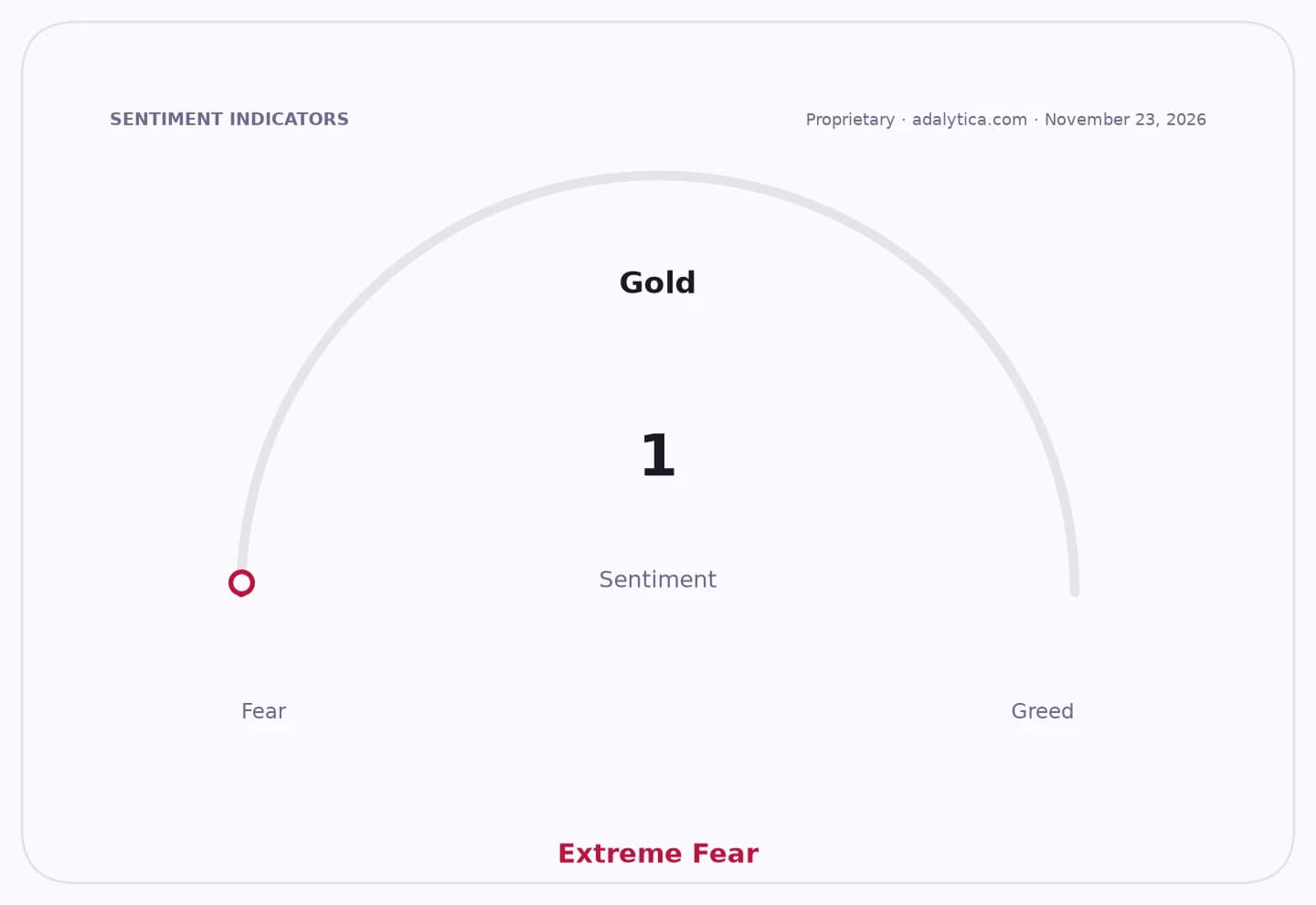
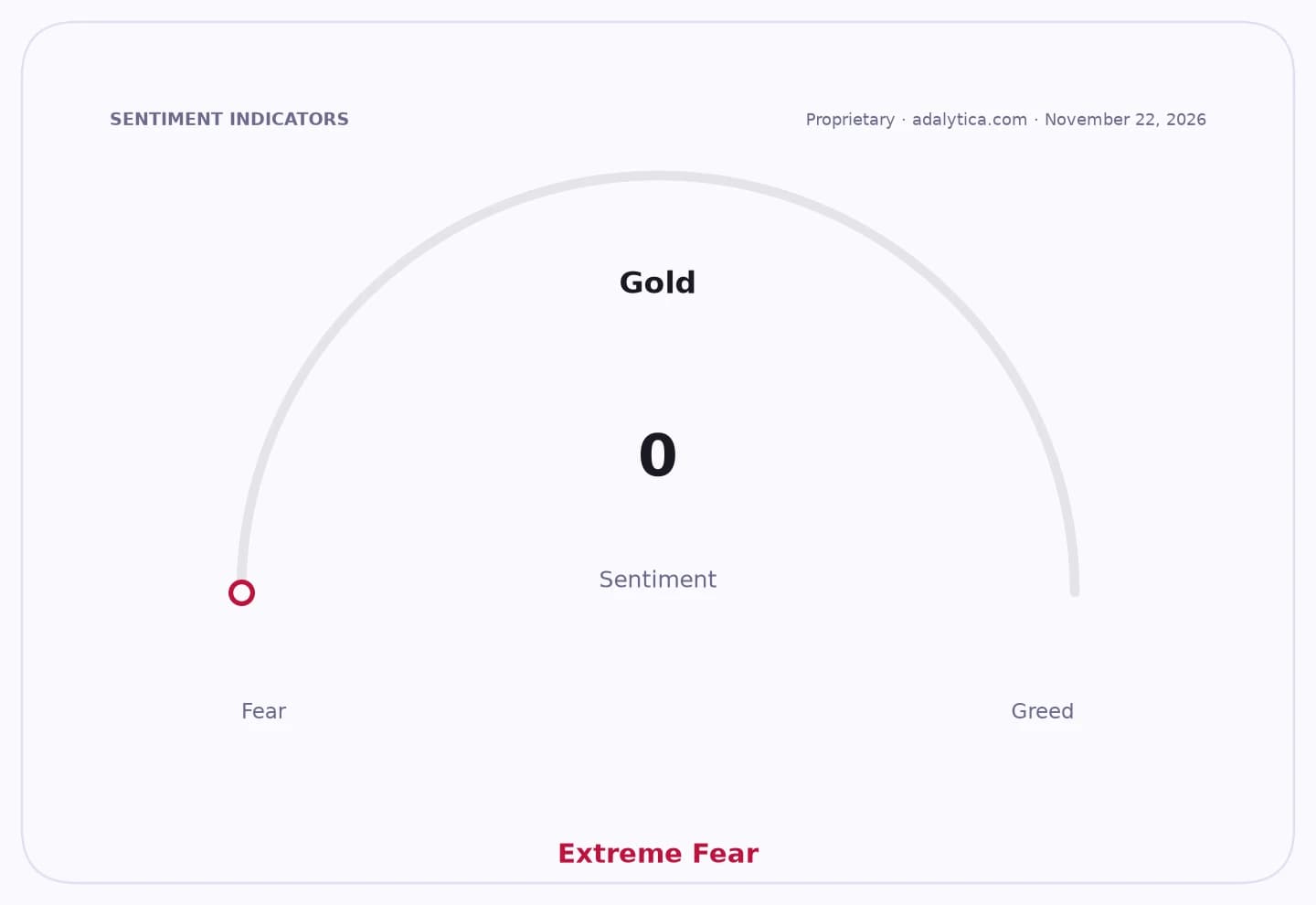
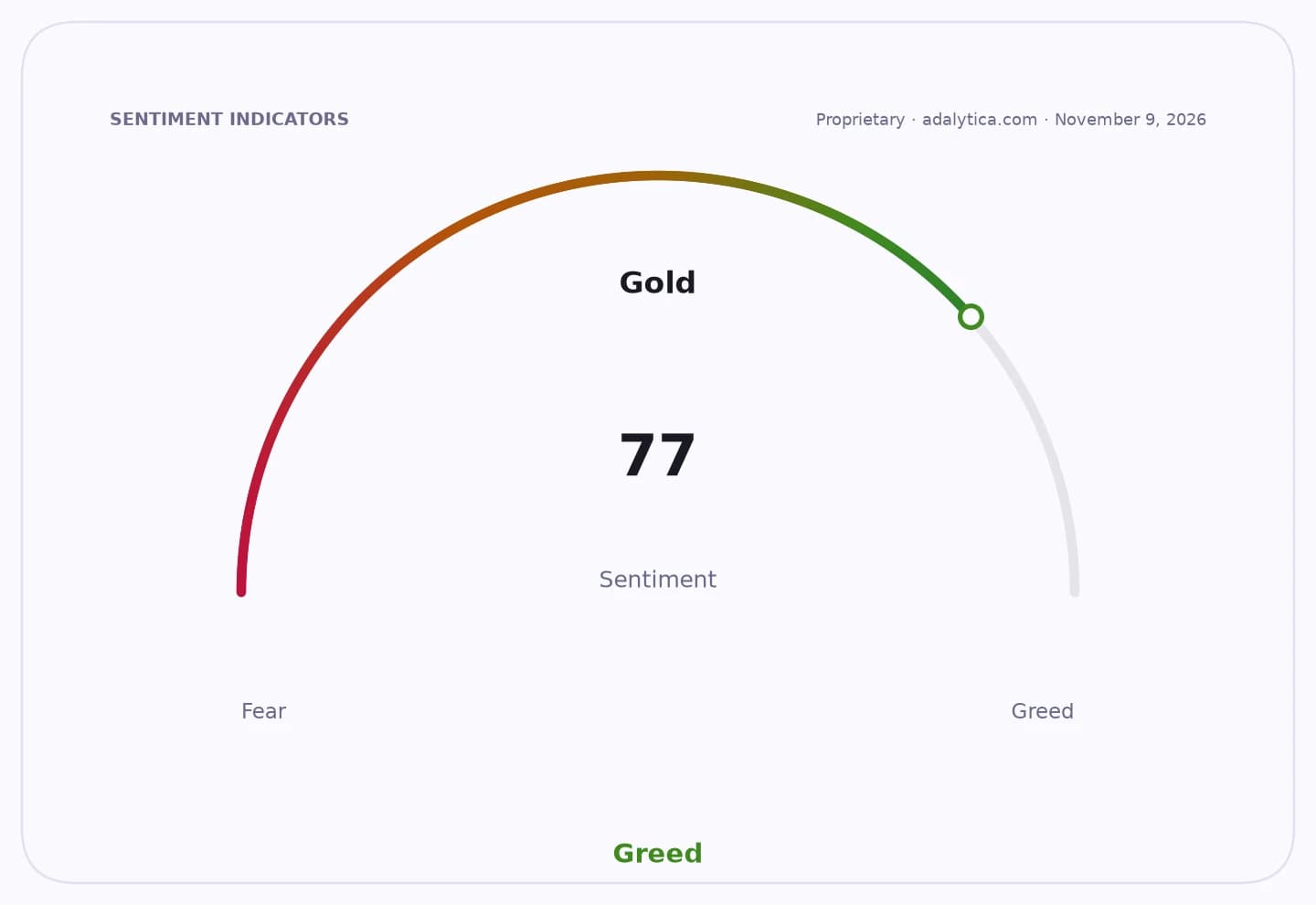
Sentiment Indicators
The move comes as international bullion steadies after recent pressure. Spot gold was quoted at $3,538 an ounce in the local market context, while the precious-metals backdrop has remained highly volatile. At the same time, U.S. 10-year Treasury yields were hovering around 4.9%, and oil prices were near $89.56 a barrel, both of which feed into the broader inflation and currency environment that helps shape demand for gold as a store of value.
For investors, the key point is not just that gold ticked higher in one session. It is that Egypt’s jewelry market remains extremely sensitive to global price action and local FX conditions, which means retail pricing can reprice fast in both directions. That creates opportunities for long-term buyers, but it also punishes anyone trying to time the market with short-term guesses.
Gold-backed funds reflected that same caution. GLD closed at $333.02, still well below its 50-day moving average of $373.70 and its 200-day average of $405.22, while RSI readings in the high 30s suggest the ETF is no longer oversold but remains weak by trend standards. Gold miner Newmont also remained under pressure, closing at $100.73 versus a 50-day average of $115.27.
In other words, Egypt’s 21-carat price rebound looks less like the start of a straight-line rally and more like another reminder that gold remains a strategic asset, not a free lunch. For consumers, the latest move makes jewelry a bit more expensive again. For patient investors, it keeps the metal firmly on the watchlist as a long-term hedge rather than a short-term trade.
| Entity | Gains | Losses |
|---|---|---|
| Egyptian jewelers | ▲Higher ticket prices | ▼Slower consumer demand |
| Gold buyers in Egypt | ▲Holders of earlier purchases | ▼New retail buyers |
| GLD holders | ▲Possible hedge value | ▼Near-term chart weakness |
| Newmont shareholders | ▲Leverage to any rebound | ▼Margin pressure from weak gold trend |