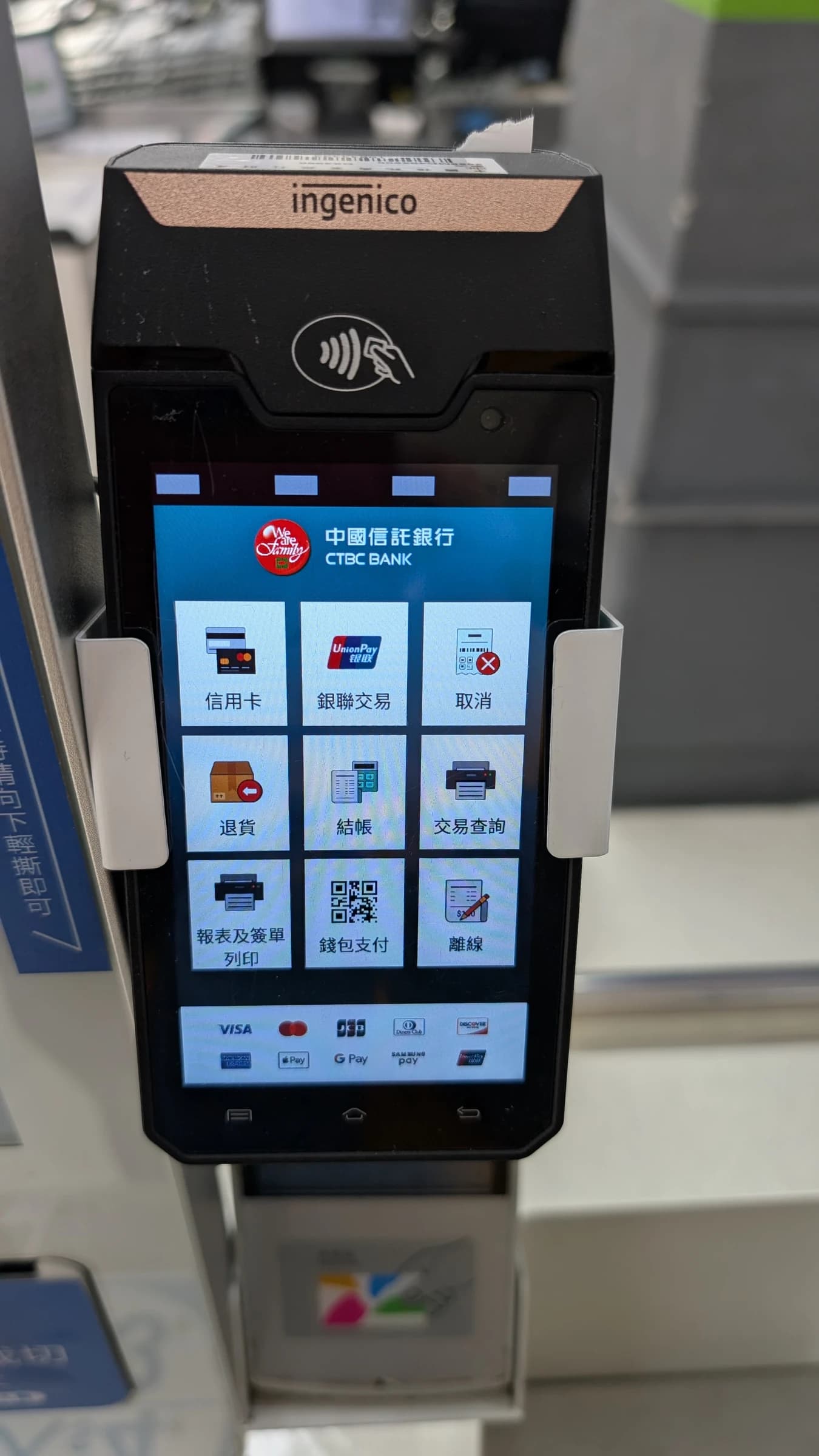
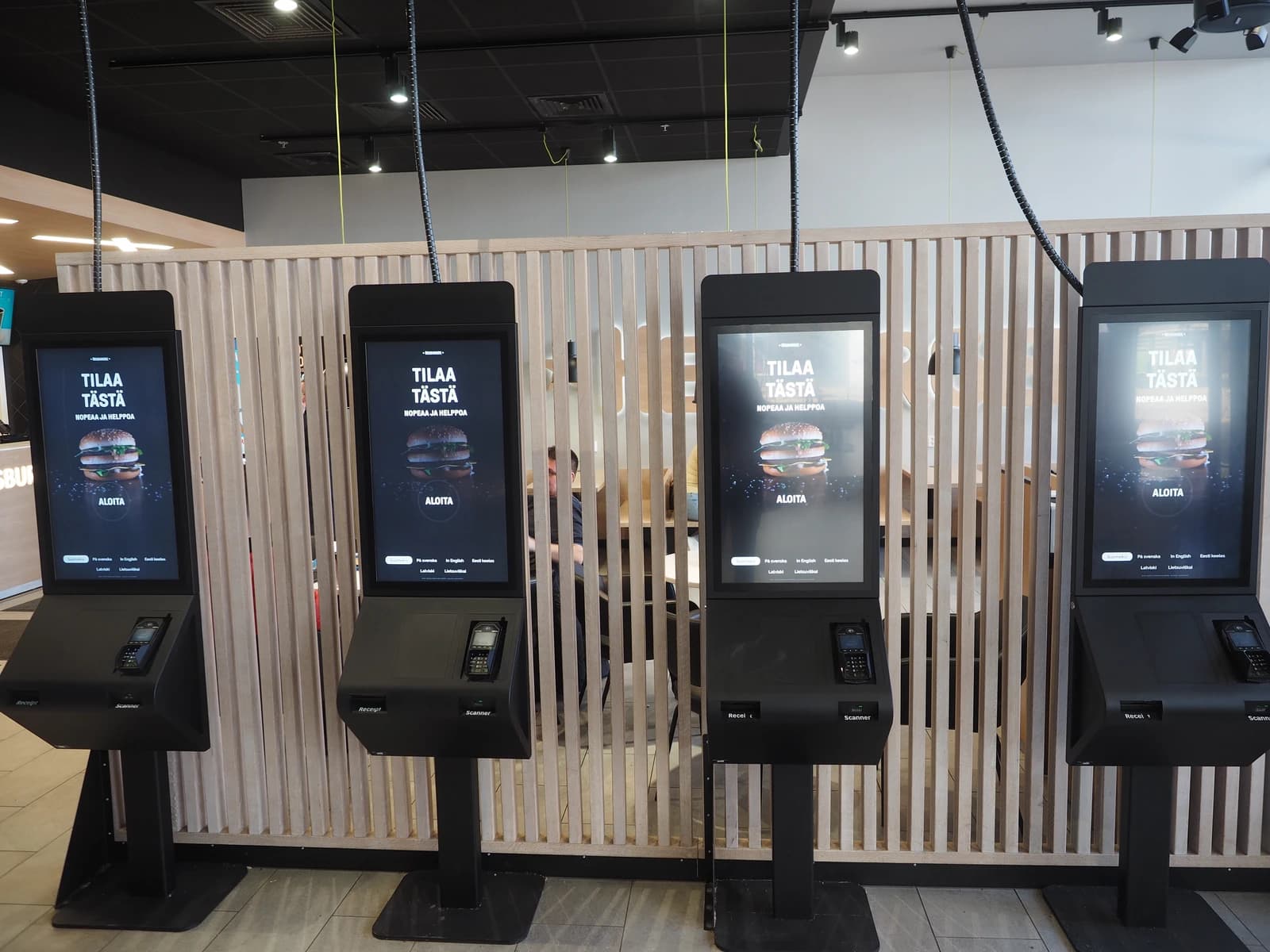
Egypt’s central bank has opened its mobile payment system to Android phones, allowing bank cards to be tokenized and used for contactless purchases without relying on Visa’s wallet infrastructure, a move that could broaden digital payments in one of the region’s largest cash-heavy economies.
Egypt central bank opens Android mobile payments
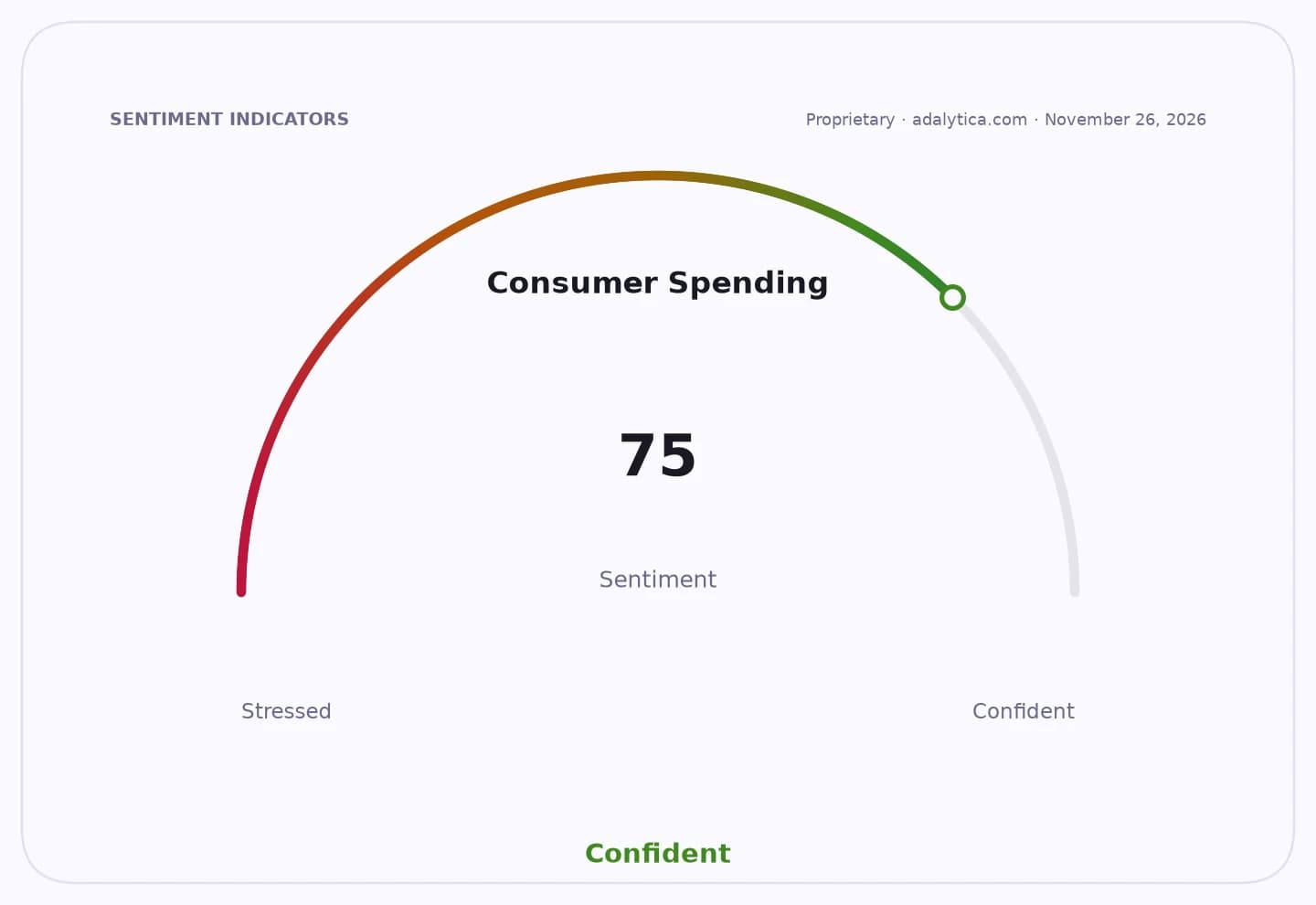
Consumer Spending
The policy matters because it expands the country’s payment rails beyond a single ecosystem at a time when regulators across emerging markets are trying to push more retail transactions online, improve financial inclusion and reduce cash usage. For banks and fintech firms, the change should lower friction for customers and help drive more point-of-sale and e-commerce activity through domestic financial networks.
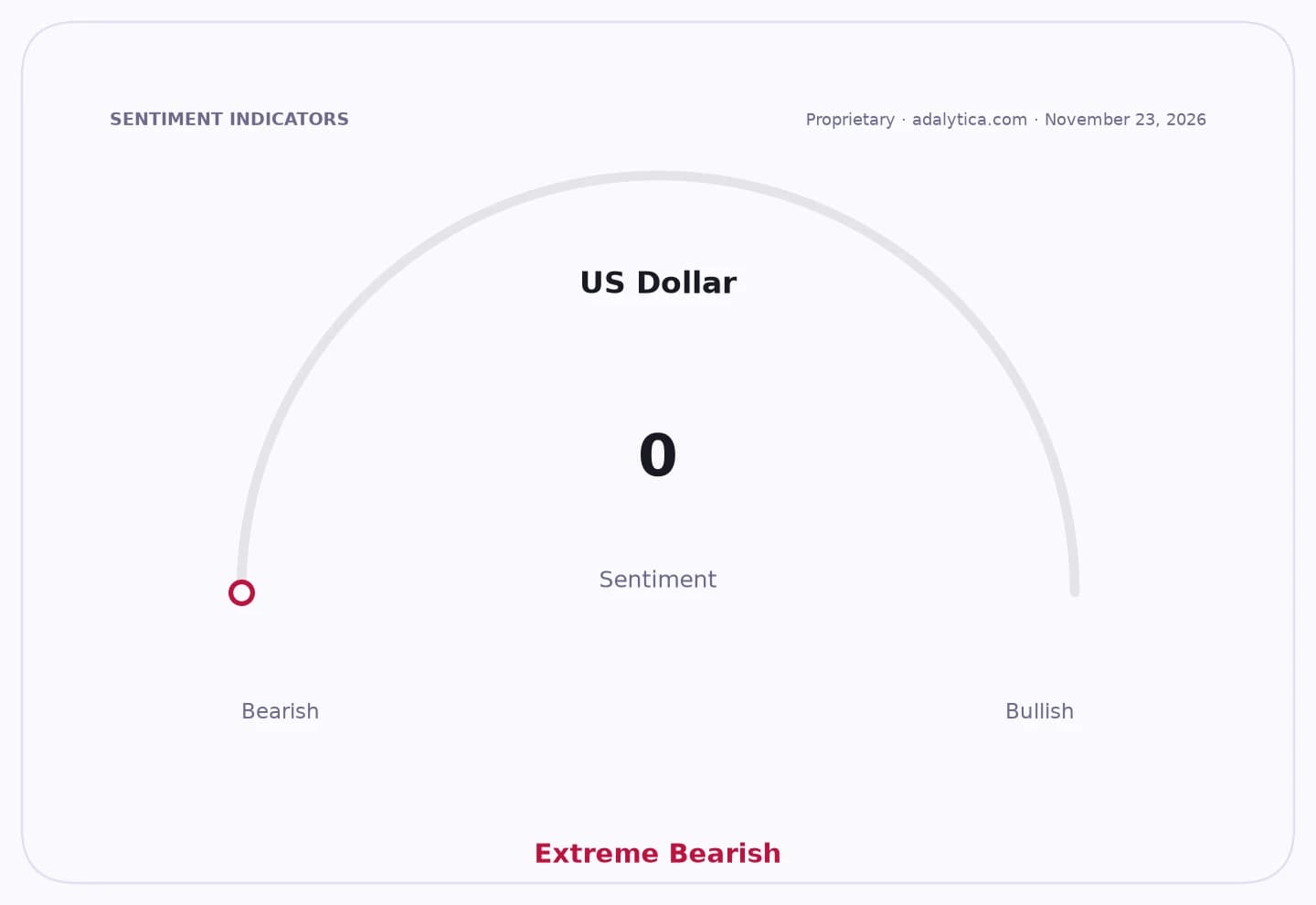
Sentiment Indicators
Central Bank Governor Hassan Abdalla said the rollout is part of a wider digital-transformation strategy and follows the first phase of the project on Apple Pay, launched in December 2024. The central bank said that platform processed about 292 million transactions worth 228 billion Egyptian pounds by the end of September 2026, a sign that the market has already begun to adopt tokenized mobile payments at scale.
The new Android service lets users add payment cards to mobile applications and authenticate transactions with biometric tools such as facial recognition or fingerprints rather than entering card details or PINs. That reduces checkout friction while improving security, two features that typically support higher transaction volumes and better card usage rates for issuing banks and payment networks.
For investors, the development is mixed. It is supportive for domestic banks and fintech providers that gain a larger addressable market for digital payments, and it should reinforce growth in card spending, merchant acquiring and e-commerce. But it also points to continued pressure on global card networks and wallet providers to defend their role as payment rails become more localized and interoperable, especially in markets where regulators want greater system independence.
The message from Cairo is that payments infrastructure is no longer just a consumer convenience issue; it is part of financial sovereignty and macroeconomic modernization. If Android adoption follows the Apple Pay experience, the next test will be whether tokenized payments can move meaningfully beyond early adopters and into everyday retail use.
| Entity | Gains | Losses |
|---|---|---|
| Egyptian banks | ▲Higher card usage | ▼Legacy cash dependence |
| Fintech firms | ▲Larger digital payment base | ▼Friction-heavy checkout flows |
| Consumers | ▲Faster, safer payments | ▼Reliance on cash |
| Visa and wallet rivals | ▲Broader market adoption | ▼Less exclusive control |