Egypt’s new contactless mobile payment service is not adding a surcharge for shoppers, a small but important detail that could speed adoption of digital payments and limit friction for merchants and consumers.
Egypt bans surcharge on contactless mobile payments
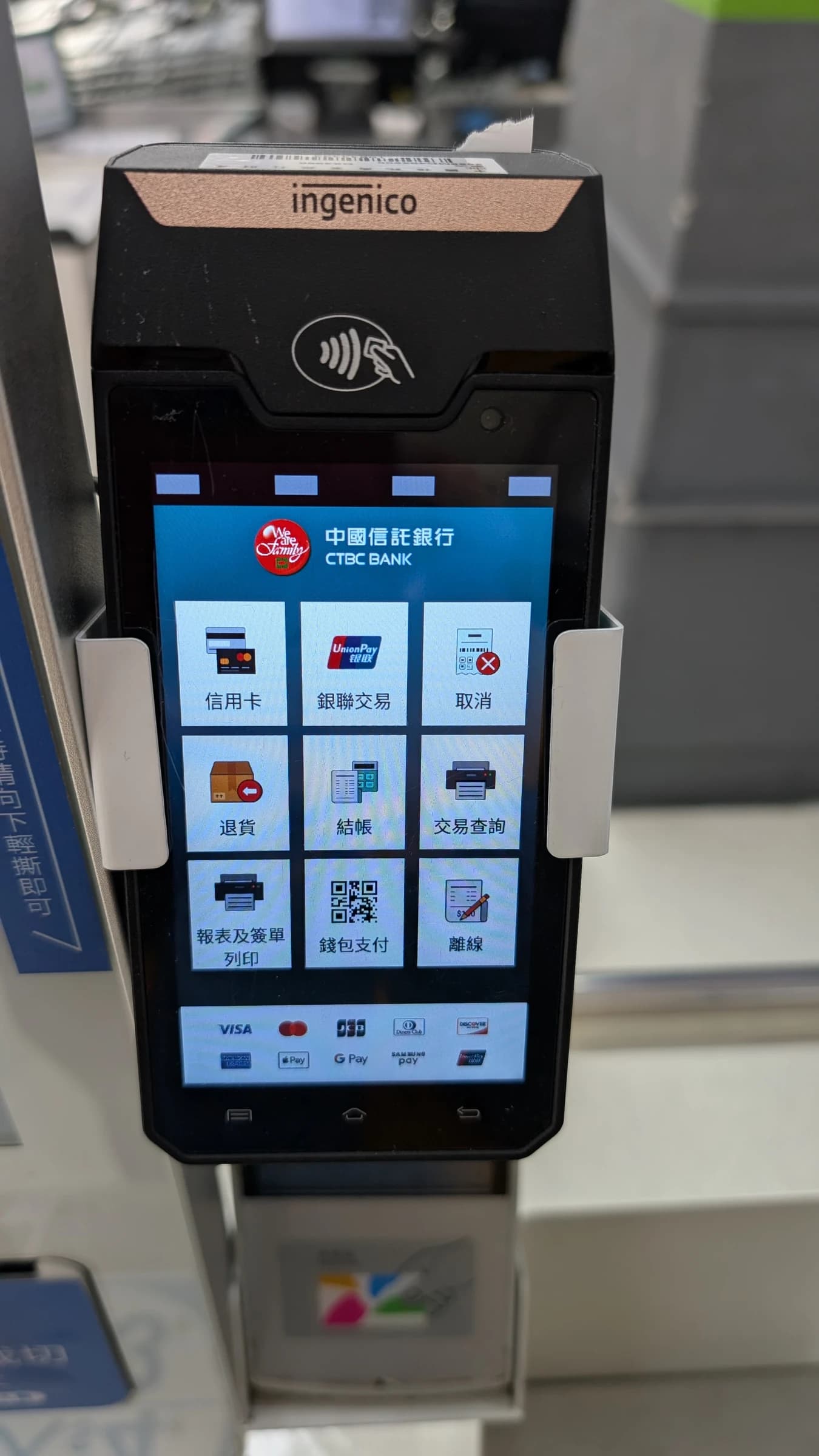
The central bank’s clarification matters because payment habits only change when the economics are simple and predictable. By confirming that using an Android phone loaded with a tokenized bank card carries no extra charge beyond the normal card-linked fees, Egypt is trying to remove one of the most common barriers to mobile-wallet usage: confusion over costs. For a country still widening access to cashless transactions, that is a meaningful step toward deeper digital payment penetration.
Sentiment Indicators
The service lets customers tap their phone against contactless-enabled terminals instead of presenting a physical Visa or other bank card. The transaction is still routed through the customer’s underlying bank card, which means any existing card charges remain in place, such as issuance fees or foreign-currency transaction fees, depending on the issuer’s terms. What will not change, the central bank said, is the price of the purchase at the point of sale. Shops are also not allowed to add a markup simply because a customer chooses to pay by phone.
That distinction matters for consumers, but also for banks and payment networks. Removing the idea of a phone-payment “fee” makes the product easier to sell at scale, while keeping the transaction anchored to the original card preserves the existing economics for issuers and the network rails. In other words, the service is designed to expand usage without introducing a new cost layer that could slow adoption.
For investors, the bigger story is not the fee itself but the growth runway behind it. Every tap payment that replaces cash or a card swipe helps normalize digital spending, increases transaction visibility and can support long-term volume growth for card networks and payment processors. Visa and Mastercard generally benefit when contactless usage becomes habitual, while PayPal and other digital-payment platforms stand to gain from the broader shift toward electronic commerce and mobile-based checkout. The market often rewards these companies on durable payment volume growth, not just near-term earnings swings.
There is also a regulatory angle worth watching. Central banks across emerging markets are increasingly focused on expanding digital payments while keeping fees, fraud and consumer complaints in check. Egypt’s move fits that pattern: encourage adoption, keep pricing transparent and prevent merchants from penalizing customers for using modern rails. That usually supports a healthier payments ecosystem over time.
For long-term investors, the takeaway is straightforward. The launch reinforces the secular case for cashless payments, even if the immediate economics are modest. The winners are the networks and issuers that can turn a one-time rollout into recurring transaction growth; the losers are cash and any merchant behavior that slows digital adoption. Worth watching, and worth keeping on a long-term watchlist.
| Entity | Gains | Losses |
|---|---|---|
| Visa and card networks | ▲More contactless volume | ▼Cash and manual checkout |
| Banks and card issuers | ▲Higher card usage | ▼Confusion over fees |
| Shoppers | ▲Clearer pricing | ▼No surcharge protection if violated |
| Merchants charging markups | ▲Easier acceptance rules | ▼Ability to add extra fees |