Card spending in Turkey jumped to 2.9 trillion lira in October, underscoring how inflation and the shift to electronic payments are keeping transaction values elevated even as household and business activity increasingly moves onto cards and away from cash.
Turkey card spending rises to 2.9 trillion lira
The Bankalararası Kart Merkezi data point to a payments market still growing fast in nominal terms, with total card purchases up 32% from a year earlier to 2.92 trillion lira. That is a meaningful signal for Turkey’s consumption profile because card volumes often track retail turnover, travel, utilities and online commerce, all of which are being processed through increasingly digital channels.
The composition of that spending matters. Credit cards accounted for 2.47 trillion lira of October purchases, while bank cards contributed 440.6 billion lira and prepaid cards just 8.9 billion lira. The dominance of credit cards suggests households are still leaning on revolving and instalment-style spending to manage budget pressure, while the sharp decline in prepaid card usage shows that segment remains marginal.
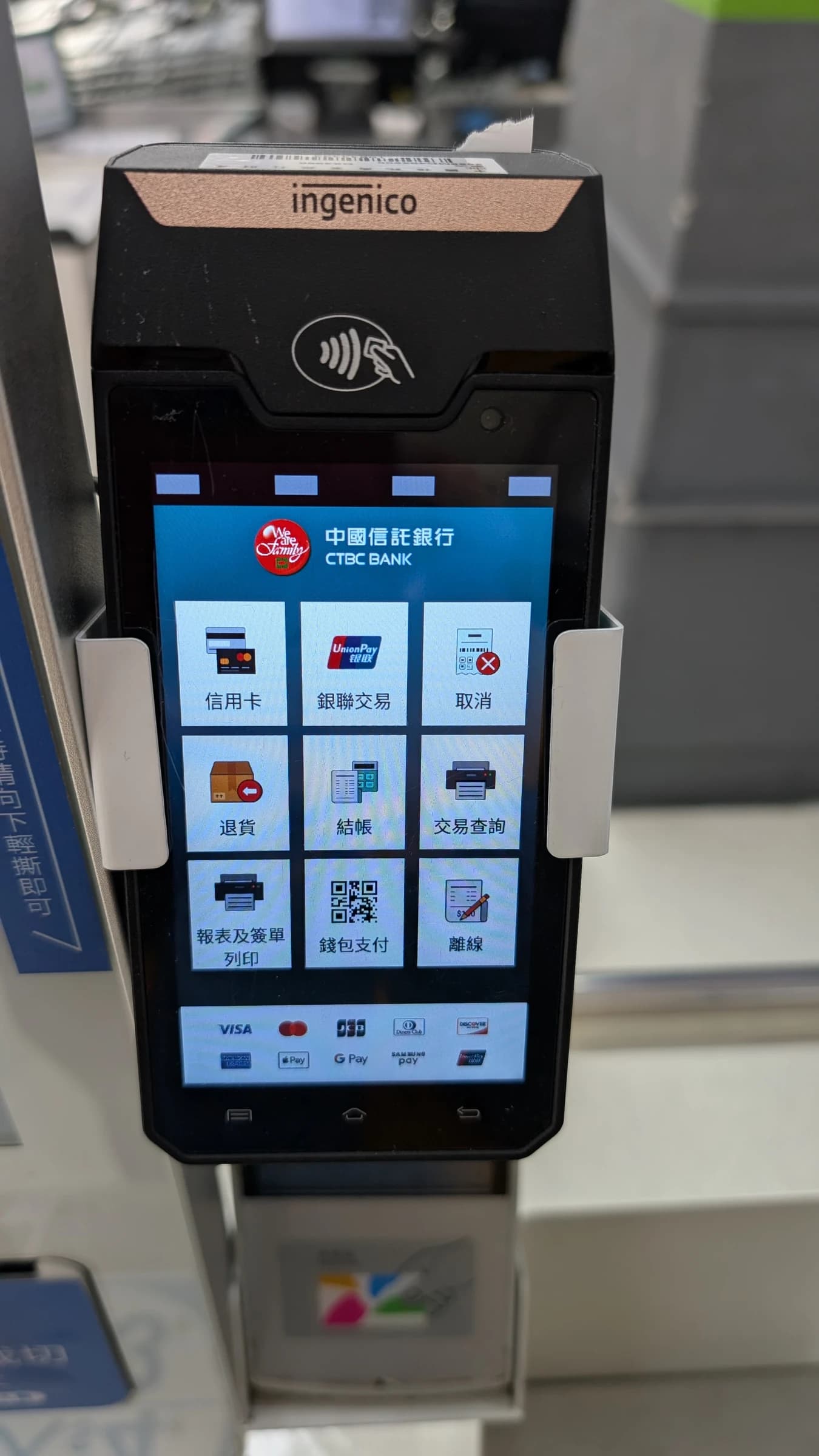
Payment frequency also kept rising, with the number of card transactions up 10% to 1.98 billion. That implies the increase is not only about higher prices but also more transactions, a sign that card use is becoming more embedded in everyday commerce. Internet payments rose 33% to 866.9 billion lira, accounting for 30% of total card spending, while contactless payments climbed 41% to 1.03 trillion lira. Four in five in-store card payments were contactless, highlighting how quickly Turkey’s checkout infrastructure has moved toward tap-and-go behavior.
For investors, the data are relevant well beyond consumer spending. Strong card volumes support revenue visibility for payment processors, card networks and banks tied to fee income, interchange and credit card balances. Mastercard, which has exposure to Turkey through its network business, benefits from rising electronic payment penetration, though the underlying local economics also matter for domestic lenders that carry card receivables and merchant-acquiring exposure. The trend is also consistent with a still-inflationary economy in which nominal spending remains strong even if real household purchasing power is more constrained.
The bull case is that Turkey’s card economy is still deepening, with e-commerce and contactless usage creating room for further formalization of retail activity and steady transaction growth. The bear case is that the same data also reflect persistent inflation and consumer reliance on credit, which can mask weaker real demand and eventually raise credit quality concerns for lenders if household balance sheets come under strain.
For now, October’s figures show a payments market that is expanding in scale and sophistication, with the next question being whether that growth continues to be driven by healthy digital adoption or by consumers using credit cards to bridge a widening gap between prices and incomes.
| Entity | Gains | Losses |
|---|---|---|
| Card networks and payment processors | ▲Higher transaction volumes | ▼None material |
| Turkish banks | ▲Fee income and card lending growth | ▼Higher credit risk if borrowing rises |
| Retailers and e-commerce platforms | ▲More card-based sales | ▼Cash-dependent merchants |
| Consumers | ▲Easier payments and contactless convenience | ▼Greater debt burden from credit use |