Turkey’s banking regulator has raised the minimum payment burden on larger credit cards and tightened mortgage lending rules for second-home owners, a two-pronged move that will hit household balance sheets while easing pressure on banks to keep consumer credit growth in check.
Turkey tightens credit card and mortgage rules
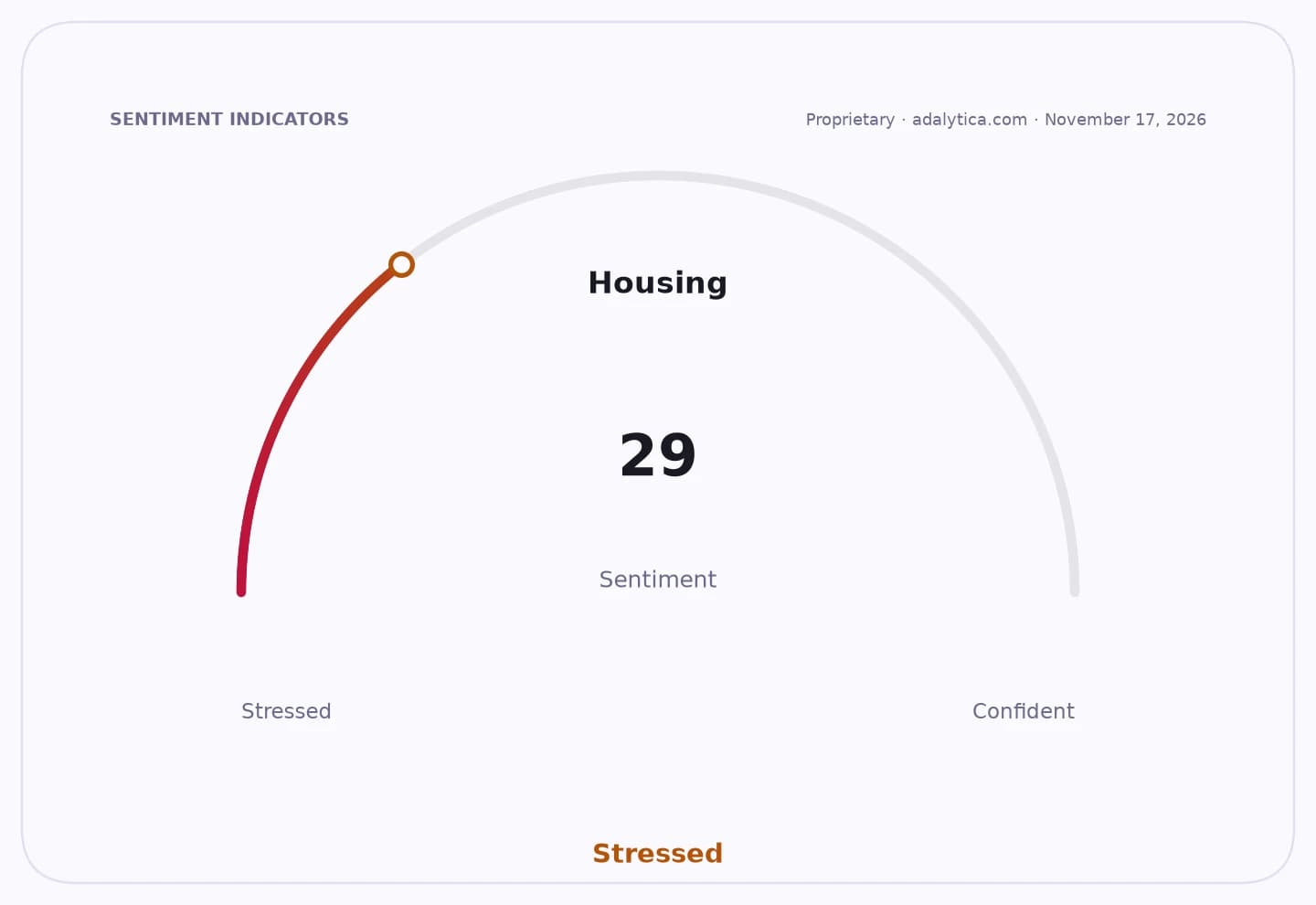
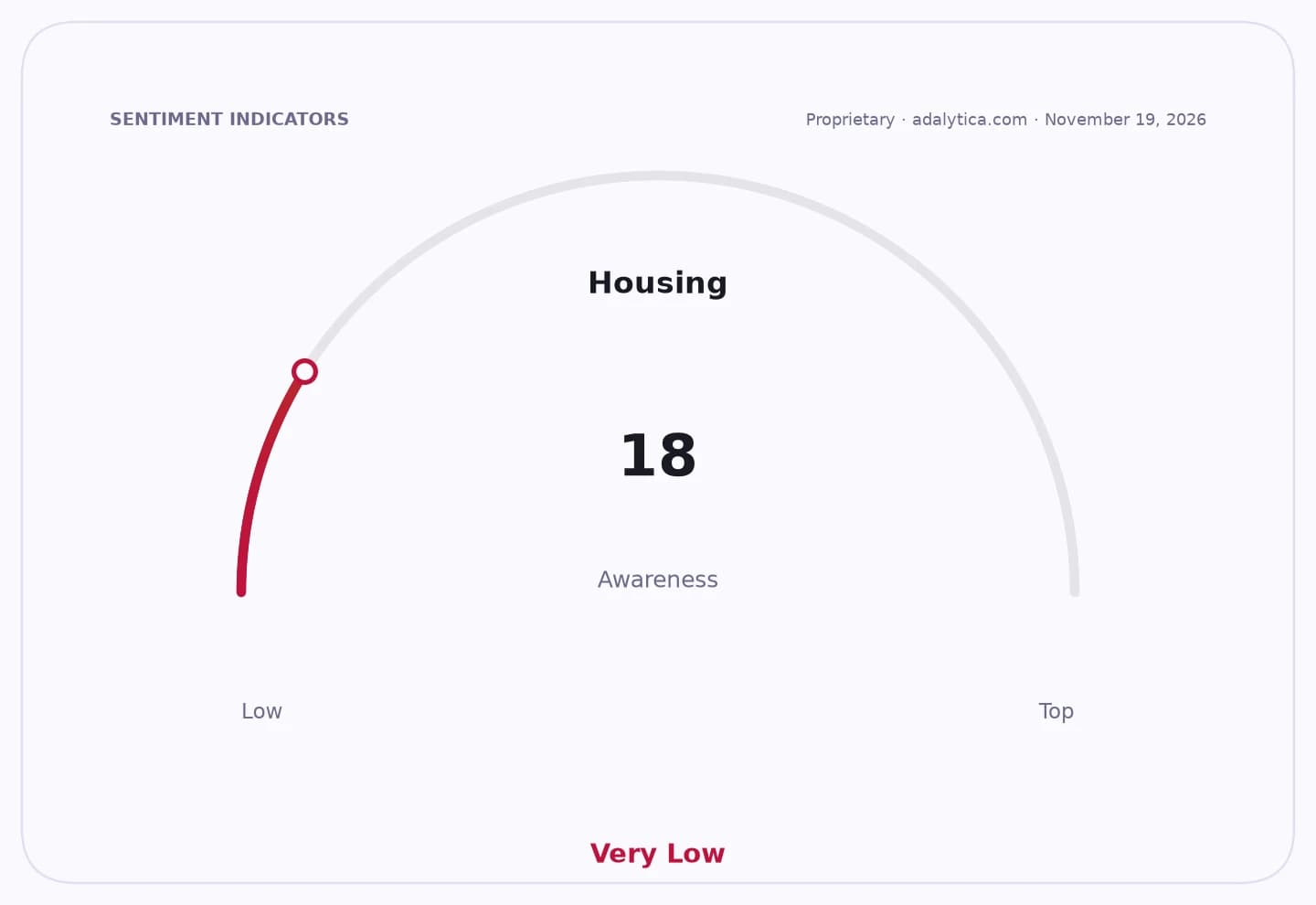
Housing
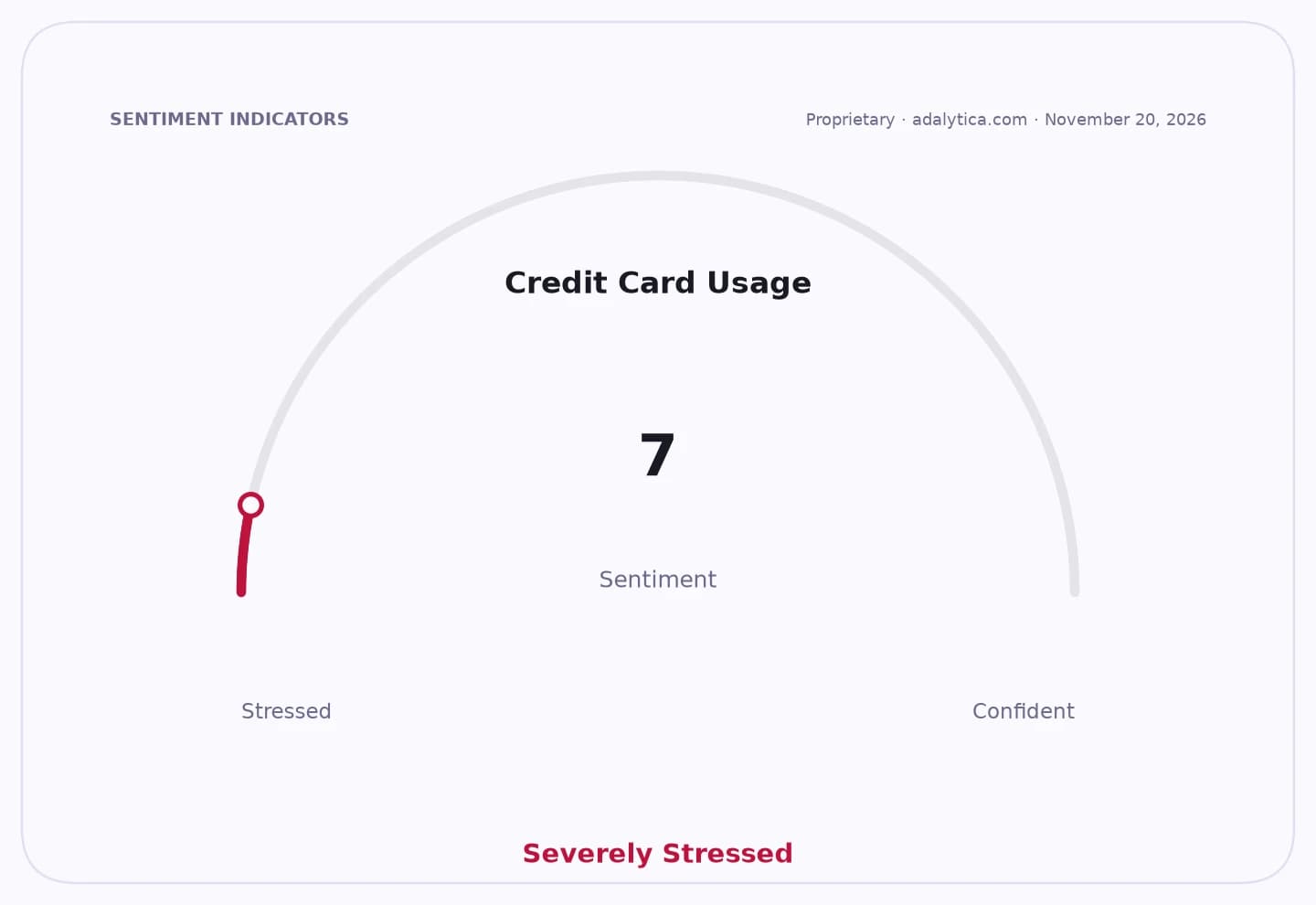
The Banking Regulation and Supervision Agency, or BDDK, said credit cards with limits between 100,000 lira and 200,000 lira will now require a minimum payment of 30% of the statement balance, while cards above 200,000 lira will require 40%. Cards with limits of 100,000 lira or less will remain at 20%.
Sentiment Indicators
That replaces the October framework, which set a 20% minimum for all cards above 100,000 lira and had already tightened repayment terms for higher-limit borrowers. The latest change makes the burden steeper for wealthier and more heavily used card accounts, a sign policymakers remain concerned that consumer borrowing is outpacing repayment capacity even after earlier curbs.
The mortgage decision goes in the same direction, but targets property investors rather than cardholders. BDDK said borrowers who, or whose spouse or minor children, own at least two homes will have the maximum loan-to-value amount on a new home cut by 75%, effectively making leverage much harder to obtain for second-home purchases. It also clarified that properties in which a borrower holds 50% or less, and certain damaged or demolished homes under urban renewal law, will not count in the home tally under specific conditions.
The measures matter economically because they are designed to restrain the kind of household leverage that can inflate consumption and property demand without a matching rise in income. By forcing larger cardholders to pay down a bigger share each month, the regulator should slow revolving balances and reduce the risk of delinquencies building in the banking system. On mortgages, the tougher treatment of multi-home owners could cool speculative demand in the housing market and limit price pressure in higher-end segments.
For investors, the immediate implication is a more cautious outlook for Turkish consumer credit, especially for banks with heavy exposure to credit cards and retail lending. Lower revolving balances can cap interest income growth, while tighter mortgage lending may weigh on loan origination volumes and housing-related fee income. At the same time, the move reduces tail risk around asset quality, particularly if households were already stretching to meet repayments amid a still-fragile consumer backdrop.
The policy also fits a broader global pattern in which regulators are leaning on targeted macroprudential tools rather than blunt rate increases to curb financial imbalances. In Turkey’s case, that balance is delicate: authorities want to slow credit-fueled demand without choking off the broader economy. The fact that the BDDK is narrowing the rules to higher-limit cards and multi-property borrowers suggests it is trying to contain risk where leverage is most concentrated.
Banks and housing-linked stocks are likely to watch implementation closely. A more disciplined consumer credit environment would be positive for stability, but any sharper-than-expected slowdown in lending could also limit near-term revenue growth. For households, the new rules amount to a fresh squeeze on spending flexibility and property leverage just as borrowing costs remain elevated.
| Entity | Gains | Losses |
|---|---|---|
| BDDK | ▲Lower systemic risk | ▼Less credit growth |
| Banks | ▲Better asset quality | ▼Slower loan expansion |
| Indebted cardholders | ▲Smaller delinquency risk | ▼Higher monthly payments |
| Second-home buyers | ▲More stable housing market | ▼Harder mortgage access |