Kazakhstan’s central bank is preparing a rule change that would make it easier for borrowers with heavy debt loads to refinance existing loans, a move aimed at lowering monthly payments for households that can service debt but currently fail the regulator’s affordability test.
Kazakhstan Central Bank Plans Loan Refinancing Rule Change

The National Bank of Kazakhstan has proposed exempting internal loan refinancing from the current debt burden ratio limit, as long as the restructured loan does not raise the borrower’s monthly instalment. For banks, that would remove a barrier that can block customers from extending maturities or cutting payments even when they are not seeking fresh credit.
Sentiment Indicators
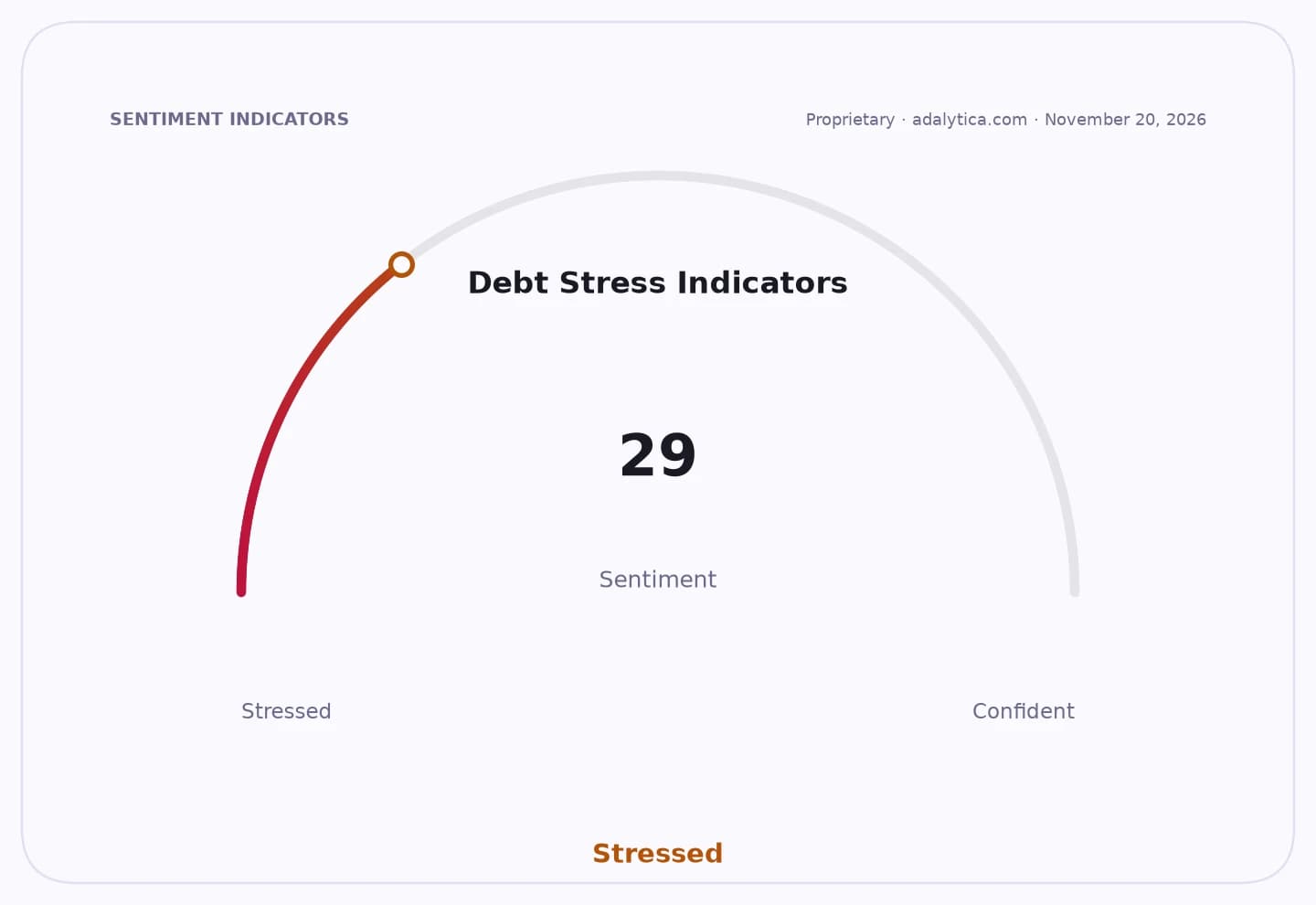
The change matters because Kazakhstan’s credit market has been balancing two competing goals: keep lending available while preventing households from taking on unsustainable debt. Under current rules, banks generally cannot approve new borrowing if a borrower’s total monthly debt service exceeds 50% of income. That standard can also stand in the way of refinancing, even when the borrower is simply trying to improve terms on an existing loan.
For households, the proposal could provide breathing room without opening the door to blanket loan approvals. A borrower earning 300,000 tenge a month, for example, would still face scrutiny if total payments exceed 150,000 tenge. But if the borrower is already paying that amount and seeks only to stretch repayment and avoid a higher instalment, the bank could be allowed to proceed without applying the debt-cap filter in the same way.
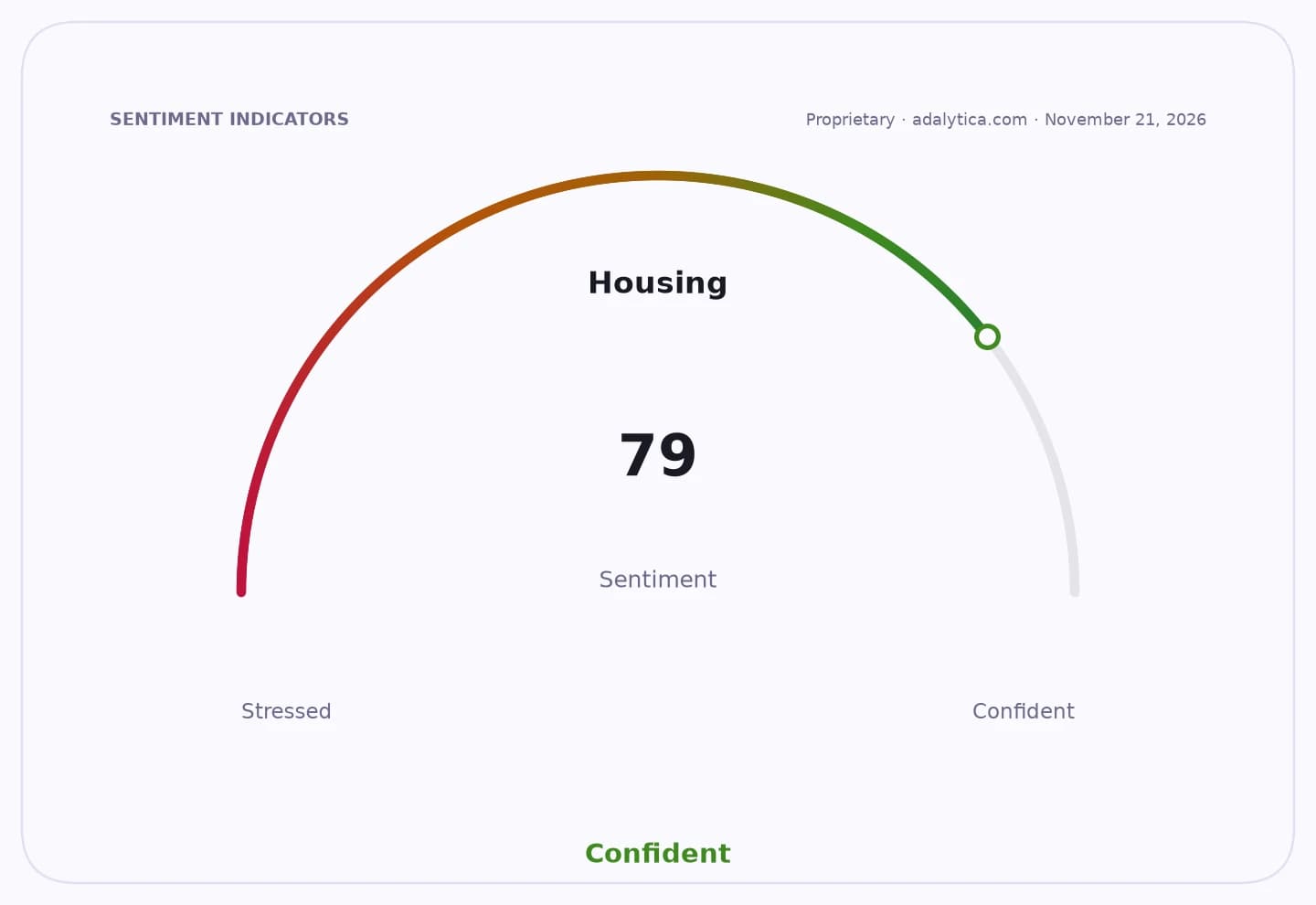
The regulator is also proposing changes to mortgage underwriting that would broaden how banks assess repayment capacity. If a mortgage is taken out jointly, lenders would be able to consider the income and debt obligations of co-borrowers together, rather than relying only on the primary applicant. The central bank also wants to count housing payments made from housing subsidies where those funds are genuinely used to service a mortgage.
The policy shift extends beyond household debt relief. The National Bank wants to prolong exemptions from debt-burden limits for certain mortgage and auto-loan products, including housing construction savings loans through Dec. 31, 2029, and qualifying car loans through Dec. 31, 2027. The car-loan carveout would remain limited to new vehicles first registered in Kazakhstan and selected used cars meeting down-payment thresholds.
For lenders, the proposal could support refinancing volumes and help keep problem accounts current, but it also raises questions about underwriting discipline if borrowers are rolled into longer tenors too freely. For borrowers, the benefit is more immediate: lower monthly outflows and less risk of default triggered by rigid affordability tests. For regulators, the challenge is to ease credit access without reviving the kind of rapid lending growth that can later turn into asset-quality stress.
The proposals are still under public discussion until Dec. 4, 2026, and have not yet taken effect. The central bank has said it will keep monitoring the credit market in 2027 and may add more measures if systemic risks build in particular loan segments.
| Entity | Gains | Losses |
|---|---|---|
| High-debt borrowers | ▲Easier refinancing | ▼Less rigid approval rules |
| Commercial banks | ▲More refinancing business | ▼Tighter underwriting flexibility |
| National Bank of Kazakhstan | ▲Better credit-market balance | ▼Higher risk of looser lending |
| Existing auto and mortgage borrowers | ▲Lower monthly instalments | ▼None if rules are unchanged |