Turkey’s financial authorities are weighing a new restructuring plan that could let households stretch unpaid credit card and consumer loan debt over as many as 60 months, a move aimed at easing repayment pressure after revolving and consumer borrowing surged to 7.13 trillion lira.
Turkey debt restructuring plan for credit cards
Credit Card Usage
The proposal matters because Turkey’s household leverage is now large enough to feed directly into bank asset quality, consumer spending and broader financial stability. Bank data cited in the report show individual credit card debt at 3.54 trillion lira, while weekly growth in card and consumer loan balances reached 105.6 billion lira, underscoring how quickly debt is building.
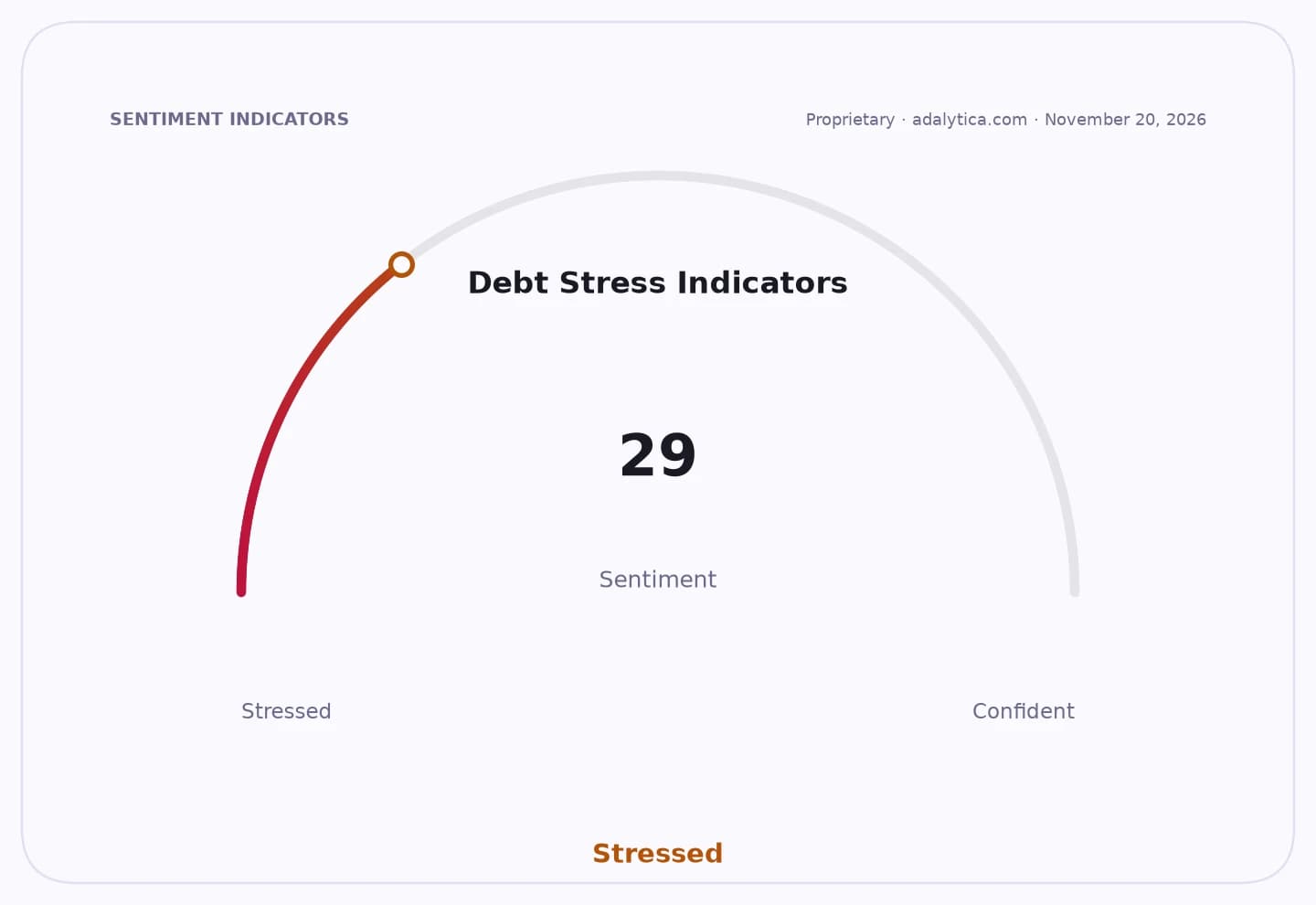
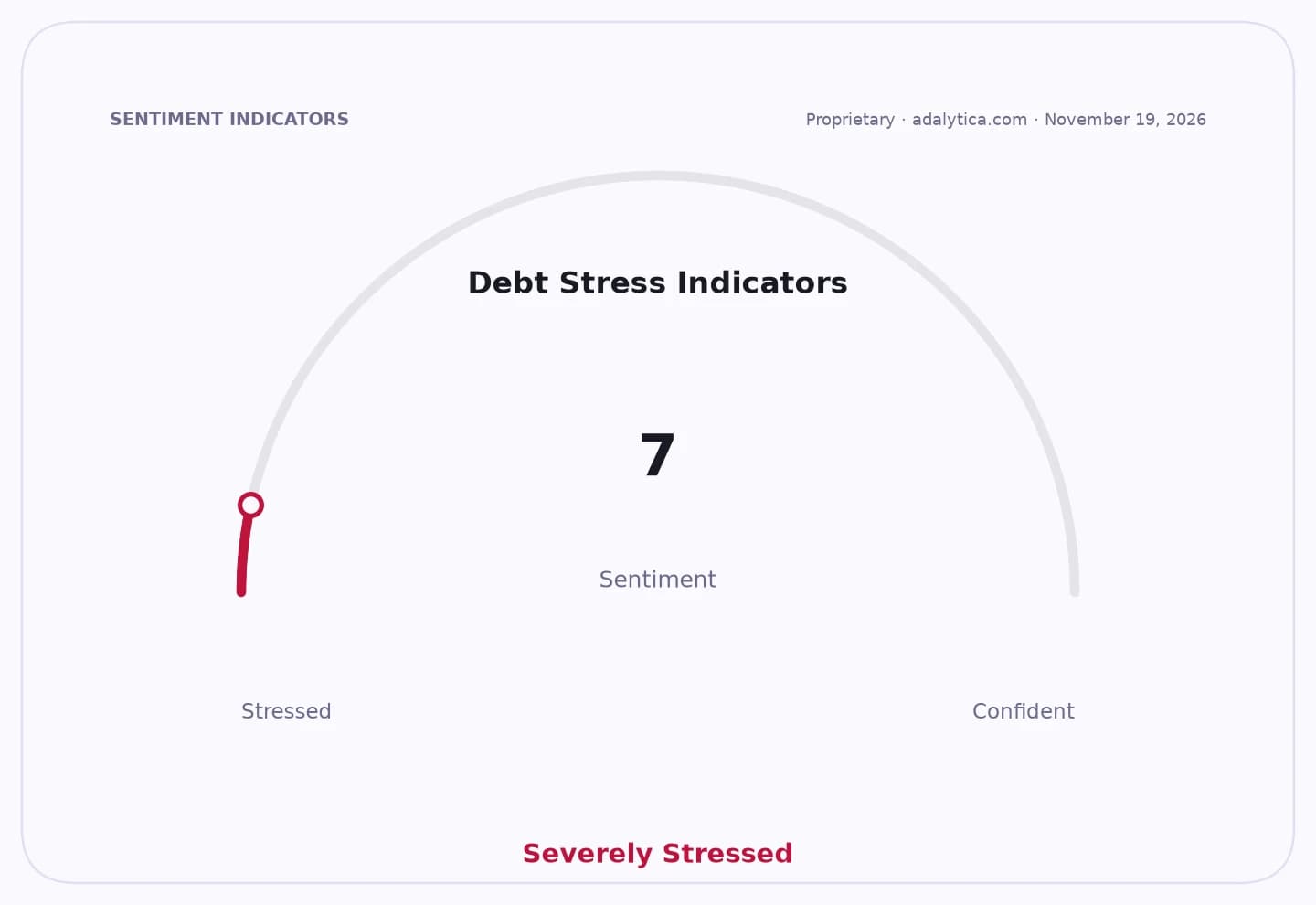
Sentiment Indicators
The Banking Regulation and Supervision Agency, known as BDDK, is working on the draft, according to local media. The model under discussion would give borrowers with overdue balances longer repayment schedules of 48 to 60 months, lowering monthly installments and making it easier to avoid default.
That is likely to be welcomed by households under strain, but it also reflects rising stress in the credit system. Turkey Banking Association Risk Center data cited in the report show 190,399 people were placed under legal collection for unpaid credit cards in September, while 153,292 were pursued over individual loan debt.
Banks are already dealing with a sharp rise in problem loans. The stock of non-performing loans in the sector has surpassed 1 trillion lira, increasing pressure on lenders to restructure rather than push more accounts into collection.
Investors will watch two details most closely: the interest rate attached to the new plan and whether past interest and fees are waived. Earlier this year, a similar restructuring program carried a monthly rate of 3.11% and capped maturities at 48 months, so any softer terms would point to a more aggressive policy response.
The move also fits a wider picture of rising debt stress in Turkey and broader demand for easing measures as borrowers struggle with repayment. The BDDK is expected to clarify who qualifies, when applications begin and how the final rate and maturity structure will work once the draft is completed.
| Entity | Gains | Losses |
|---|---|---|
| Indebted households | ▲Lower monthly payments | ▼Slower debt payoff |
| Turkish banks | ▲Fewer immediate defaults | ▼Higher restructuring burden |
| BDDK/economy managers | ▲Stability boost | ▼Exposure to moral hazard |
| Credit card lenders | ▲More recoveries over time | ▼Weaker near-term collections |