Turkey’s banking sector has crossed a new line of stress, with loans and receivables in follow-up swelling past 1 trillion lira as households lean harder on credit cards and consumer borrowing.
Turkey banks hit record bad loans above 1 trillion lira

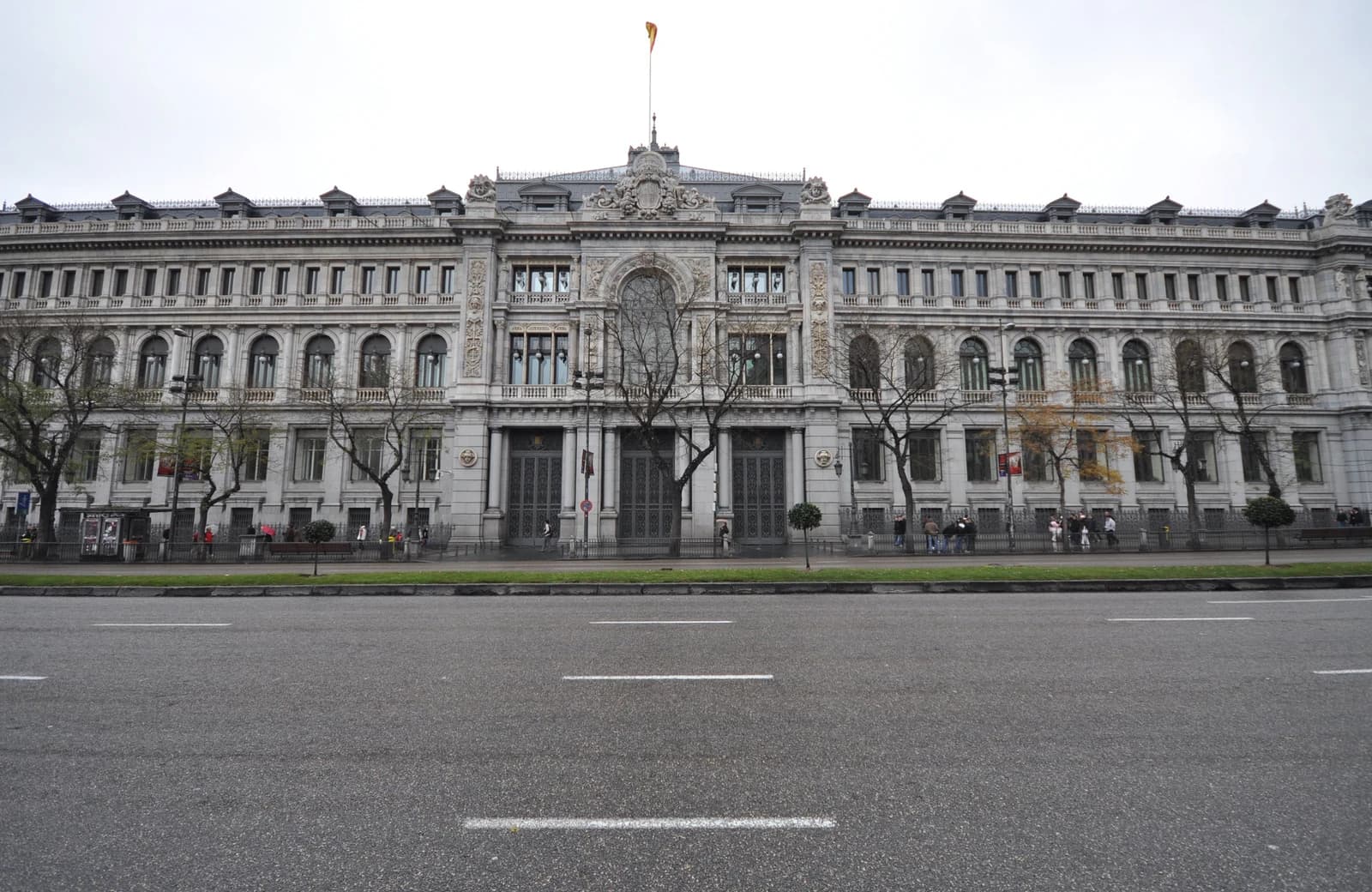
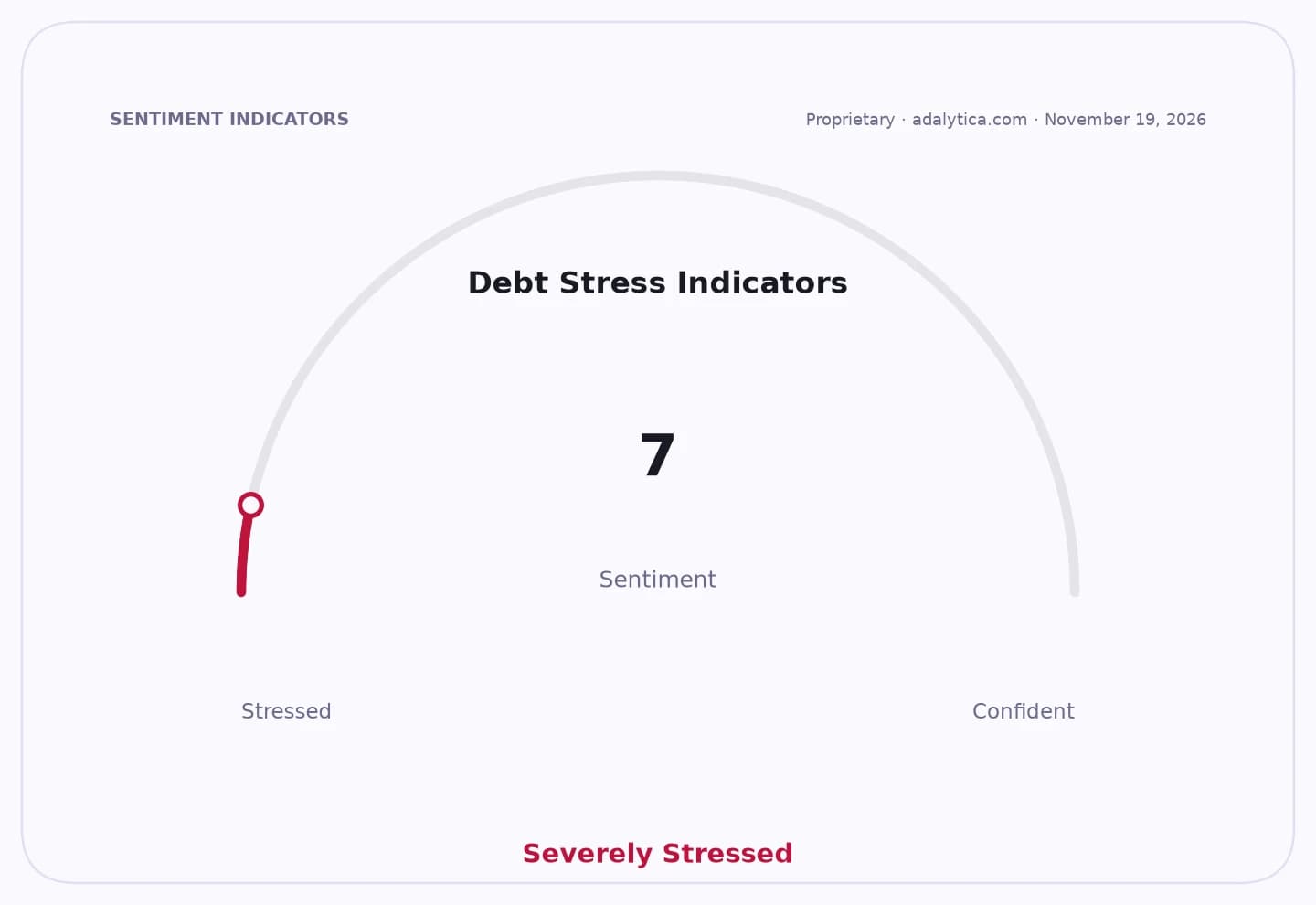
The Banking Regulation and Supervision Agency, or BRSA, said banks’ non-performing receivables rose by 10.24 billion lira in a week to 1.006 trillion lira, the highest on record. The jump adds to growing evidence that high borrowing costs and strained household budgets are pushing more borrowers into arrears.
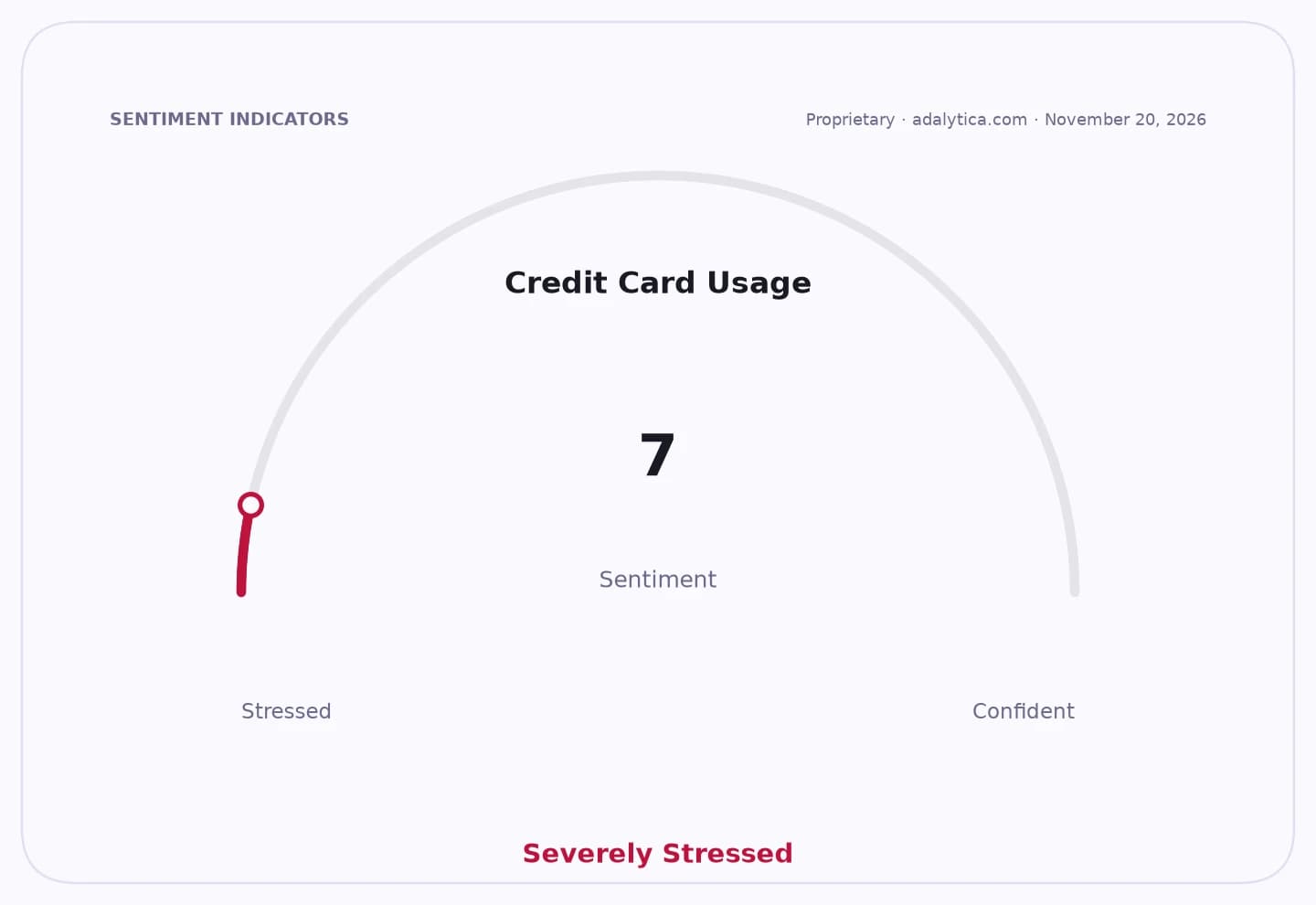
Sentiment Indicators
The pressure is showing up first in plastic. Individual credit card debt climbed 70.68 billion lira in the latest week to 3.538 trillion lira, up 35.1% from a year earlier. Consumer loans also increased 34.94 billion lira to 3.593 trillion lira, taking total household credit and card debt above 7.1 trillion lira.
For banks, the rise in bad debt matters because it can force higher provisions, weigh on profitability and tighten lending standards at a time when asset quality is already coming under scrutiny. A rising stock of follow-up loans can also tie up capital and reduce room for fresh credit to businesses and consumers.
The broader backdrop remains tight. Turkey’s central bank reserves fell by $2.11 billion in the same week to $158.95 billion, even as foreign-exchange reserves edged up and gold reserves slipped. That leaves policymakers managing both domestic credit strain and external liquidity pressures while trying to keep inflation expectations anchored.
For investors, the main takeaway is that Turkey’s consumer-credit boom is looking less like a growth engine and more like a risk factor for banks. The next focus will be whether delinquency trends keep rising into year-end and whether lenders respond by slowing credit expansion or setting aside more capital against losses.
| Entity | Gains | Losses |
|---|---|---|
| Banks with stronger collections | ▲Higher recovery rates | ▼Rising provisioning costs |
| Household borrowers | ▲Continued access to credit | ▼Higher debt burden |
| Turkish policymakers | ▲Easier visibility on stress points | ▼Pressure on reserves and inflation control |
| Bank shareholders | ▲Potential resilience if losses stay contained | ▼Margin and earnings risk from bad loans |