South Korea’s drive to clear long-overdue consumer debt is easing the burden on hundreds of thousands of defaulters, but it is also exposing a policy flaw that matters for banks, credit markets and the broader economy: borrowers who kept paying are getting little in return.
South Korea debt relief favors defaulters over payers
The first-year results of President Lee Jae Myung’s inclusive finance push show the New Leap Fund bought nearly 12 trillion won, or about $8 billion, in delinquent debt between October and September, then wrote off 3.86 trillion won for 381,000 borrowers. By contrast, the companion New Leap Loan program — designed to reward people who kept making at least token repayments after restructuring — had disbursed just 15.2 billion won by end-September, or 2.8% of its 550 billion won cap.
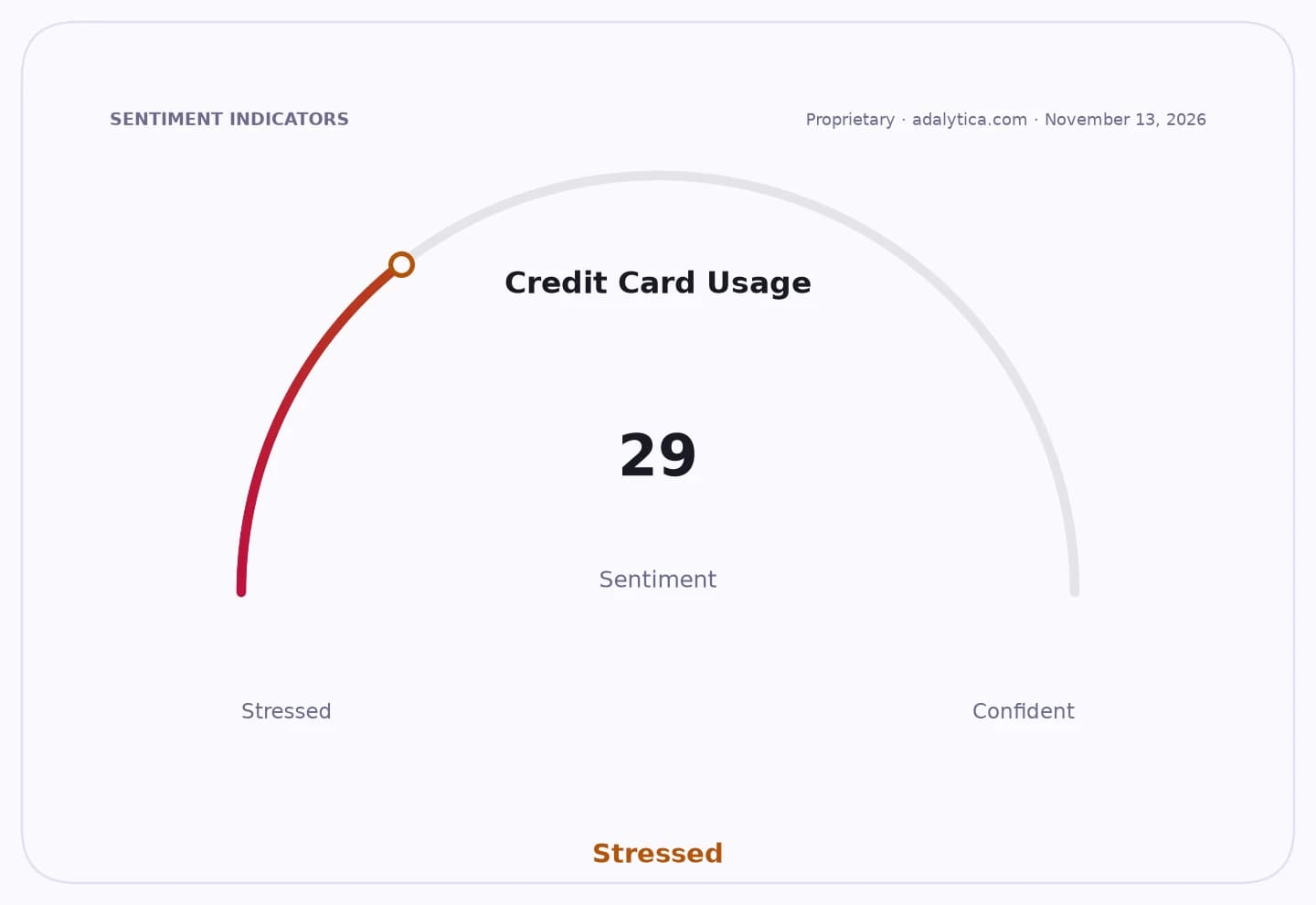
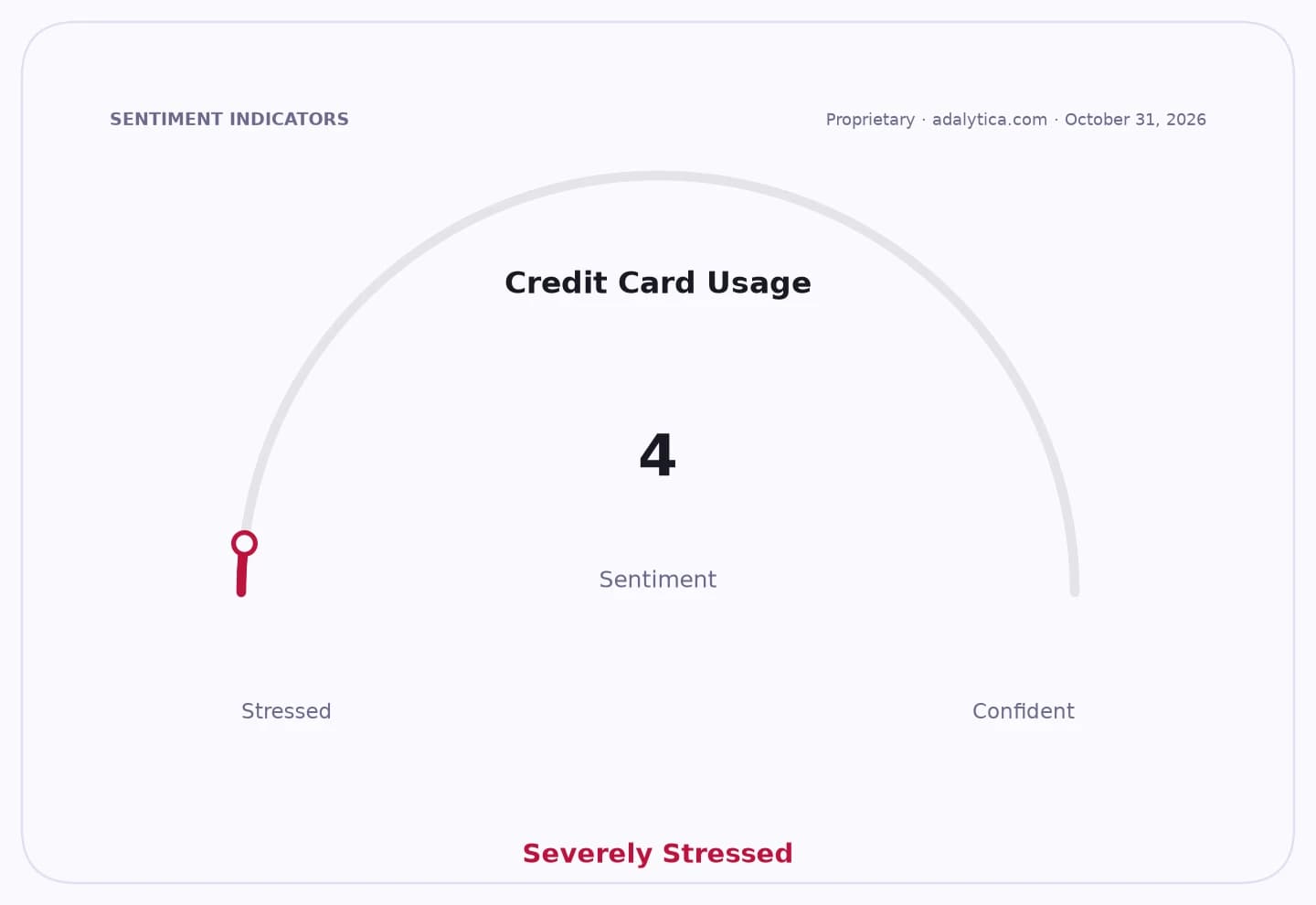
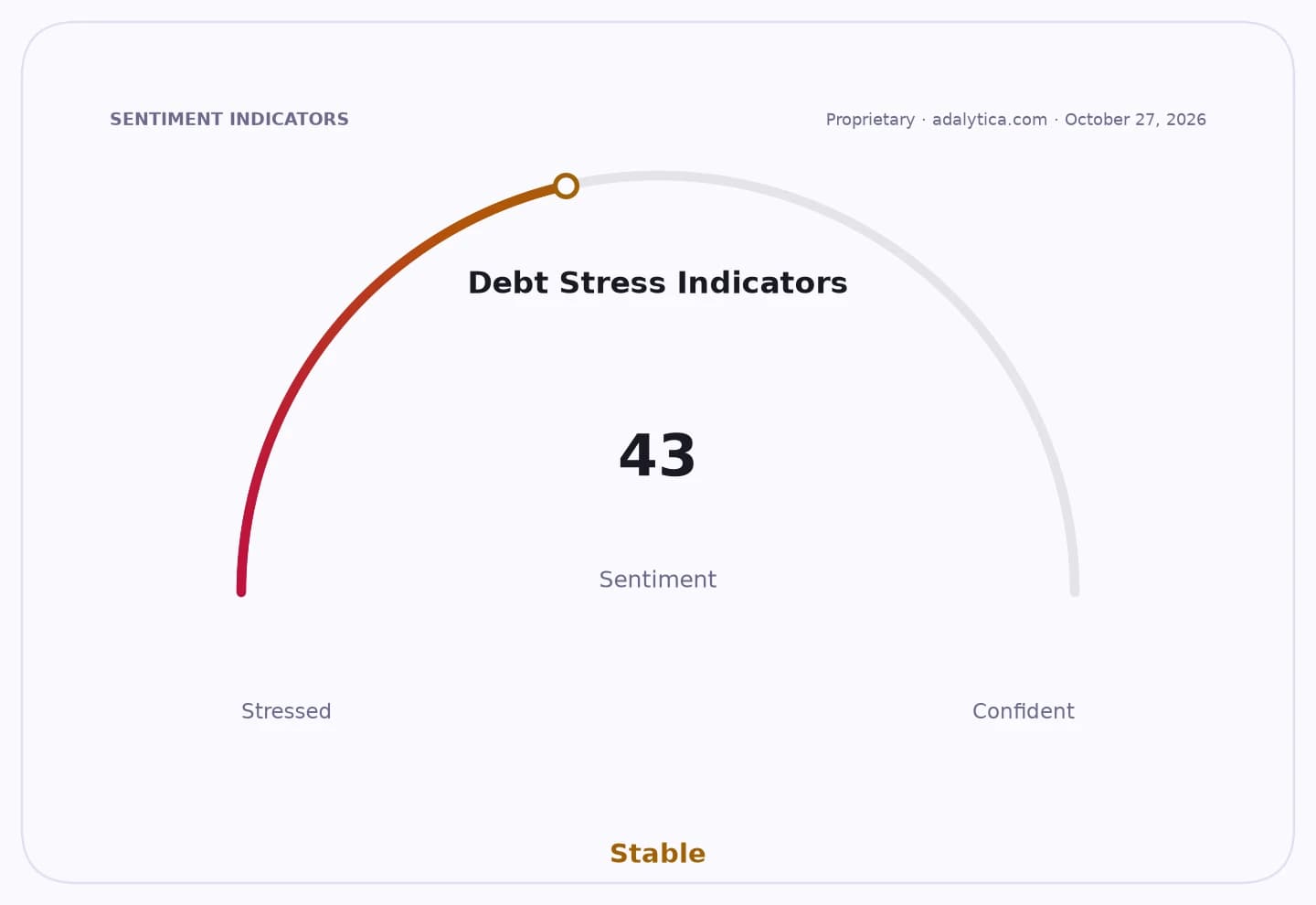
Sentiment Indicators
That gap is economically significant because it speaks to incentives in South Korea’s consumer credit system. Debt forgiveness can help households escape permanent default, support consumption and reduce the drag from distressed balance sheets. But when relief is concentrated on long-term nonpayers while disciplined borrowers see scant access to concessional credit, the policy risks encouraging moral hazard and weakening repayment culture.
For lenders, the implications are more immediate. A wave of write-offs can help clean up old loans and shrink nonperforming assets, but it also raises questions about future underwriting discipline and recovery prospects. Banks are already sensitive to credit deterioration, and a policy that appears to reward prolonged delinquency may eventually feed into higher borrowing costs for riskier households and tighter standards for everyone else.
The political logic is clear: Lee wants to show that the state will not abandon households trapped in debt. The market logic is less forgiving. Credit is priced on expectations about who pays and who does not. If borrowers conclude that staying current brings little benefit while default eventually unlocks forgiveness, the system becomes more expensive to finance and harder to police.
The New Leap Loan was meant to correct that imbalance by offering loans of up to 15 million won at 3% to 4% interest through six banks, but the thin uptake suggests either that the pool of eligible borrowers is too small, the terms are not attractive enough, or the program has not overcome the stigma and administrative friction attached to restructuring. Any of those explanations would limit its ability to restore fairness to the policy mix.
The deeper issue is that debt relief without strict guardrails can become a transfer from prudent borrowers to serial defaulters. That may win short-term political support, but it can also distort credit behavior, make lenders more cautious and leave the households that continued repaying feeling penalized for doing the right thing.
For investors, the key question is whether the government broadens support for responsible borrowers or doubles down on forgiveness. If the imbalance persists, the likely result is not only a fairness problem but a more brittle consumer credit market, with banks forced to absorb policy risk alongside ordinary credit risk.
| Entity | Gains | Losses |
|---|---|---|
| Defaulting borrowers | ▲Debt write-offs | ▼Repayment discipline |
| Responsible borrowers | ▲Limited concessional loans | ▼Fair treatment |
| South Korean banks | ▲Faster cleanup of bad loans | ▼Moral-hazard risk |
| Government | ▲Short-term political support | ▼Policy credibility |