Egypt’s central bank accepted 87.843 billion pounds of treasury-bill bids at a sale of 91-day and 273-day paper, underscoring how heavily the government still relies on domestic markets to fund its budget gap even as borrowing costs remain high.
Egypt central bank accepts 87.843 billion pounds in T-bills
The auction matters because it shows Cairo can still clear large amounts of short-term funding, but only at rates that keep pressure on public finances. The Ministry of Finance had sought 115 billion pounds and accepted roughly 76% of that amount, a sign that demand remains solid but not unlimited. In a market where the state must roll over debt frequently, the size of the take-up is as important as the price: the government needs continuous access to banks and other local investors, and this sale suggests that access is intact.
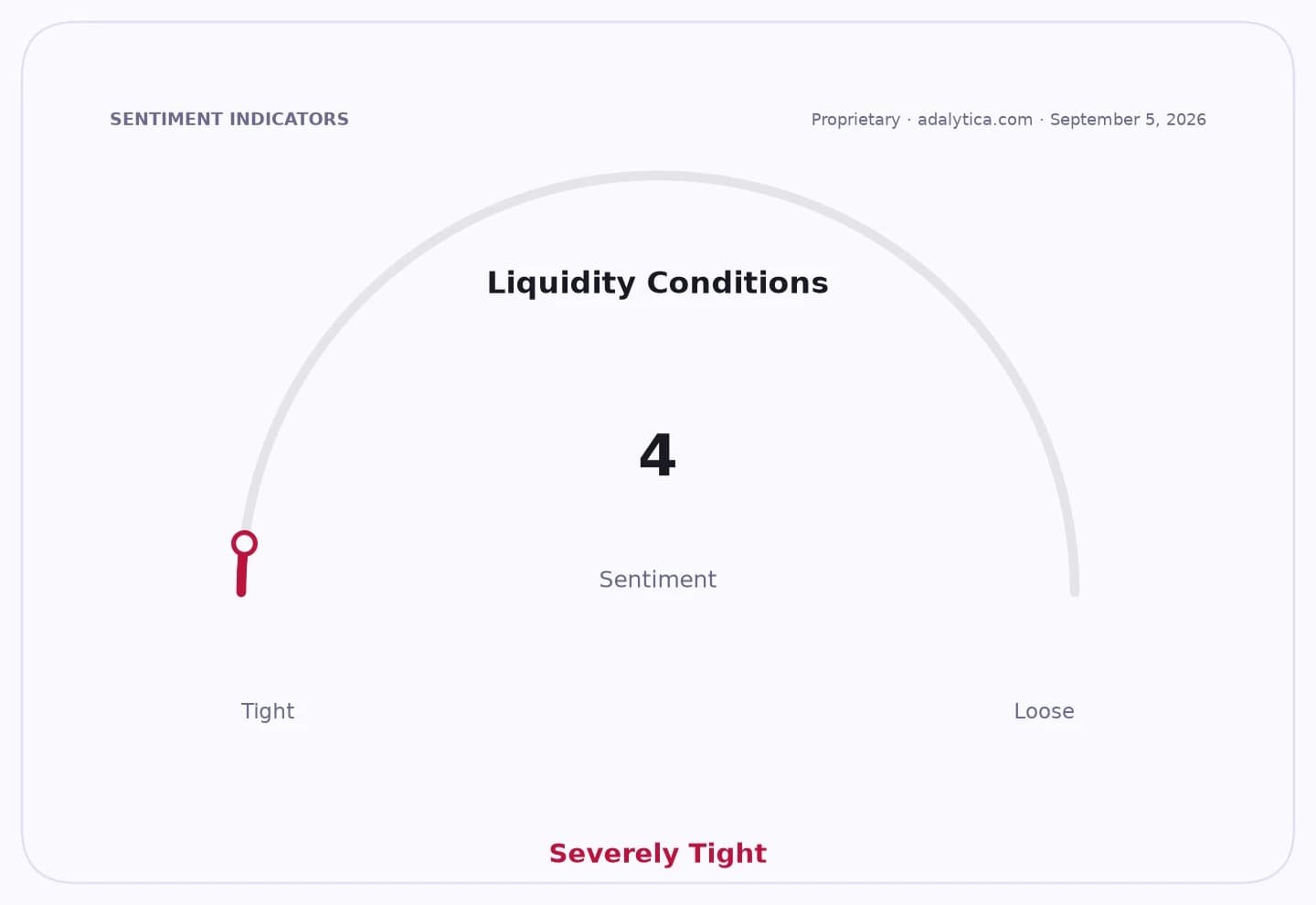
Sentiment IndicatorsⓘProprietary · adalytica.com · September 7, 2026
This is a snapshot — live sentiment, awareness and momentum for 130+ markets update continuously in the dashboard.Open AlphaPulse

The accepted yields highlight the cost of that access. For the 91-day bills, the central bank took 31.1 billion pounds at an average rate of 21.01%, with bids ranging up to 25.702%. On the 273-day tenor, it accepted 56.742 billion pounds at an average yield of 24.331%, with bids as low as 23% and as high as 24.502%. Those are expensive funding levels by any standard and reflect the persistent need to offer attractive returns to absorb domestic liquidity.
For investors, the auction reinforces two themes. First, Egyptian sovereign paper continues to offer high nominal yields that can attract local demand, especially from banks managing liquidity and duration. Second, those yields also signal lingering fiscal strain and refinancing risk, because a large share of budget financing is being met through short-dated instruments that must be rolled over repeatedly. The gap between the amount offered and the amount accepted suggests the market is still price-sensitive, which means future auctions may depend on whether the government is willing to pay even more.
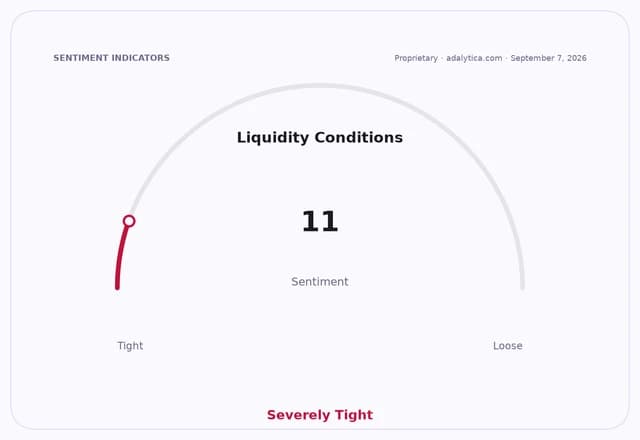
The auction also fits a broader financing strategy in which Egypt leans on local debt sales while preparing to tap external markets more selectively. That approach can buy time, but it does not remove the underlying burden: the higher the domestic borrowing rate, the more fiscal space is consumed by interest payments rather than spending or investment. That is why this kind of routine auction is closely watched — it is a live gauge of both liquidity conditions and confidence in the sovereign’s funding path.
The key test ahead is whether demand holds if the government continues to issue large volumes at these levels, or whether it needs to rely more on external borrowing and other funding channels to ease the pressure on the domestic curve.
| Entity | Gains | Losses |
|---|---|---|
| Egyptian government | ▲Immediate funding access | ▼Higher interest burden |
| Local banks | ▲High-yield bill inventory | ▼Short-term rollover exposure |
| Treasury bill investors | ▲Attractive nominal returns | ▼Inflation and duration risk |
| Budget position | ▲Near-term financing coverage | ▼Future debt-service strain |