Egypt’s government is set to begin paying September salaries within days, delivering the first full monthly pay packet under this fiscal year’s higher public-sector wage floor and underscoring a policy push to cushion state workers from persistent inflation.
Egypt to pay September salaries at higher wage floor

The Finance Ministry said it will start disbursing September 2026 wages from Thursday, then continue through Sept. 28-30, covering about 5.4 million employees across more than 57 ministries and agencies. The rollout makes this the third salary payment of Egypt’s 2026/27 fiscal year and the first to fully reflect the new public-sector minimum wage of 8,000 Egyptian pounds a month.
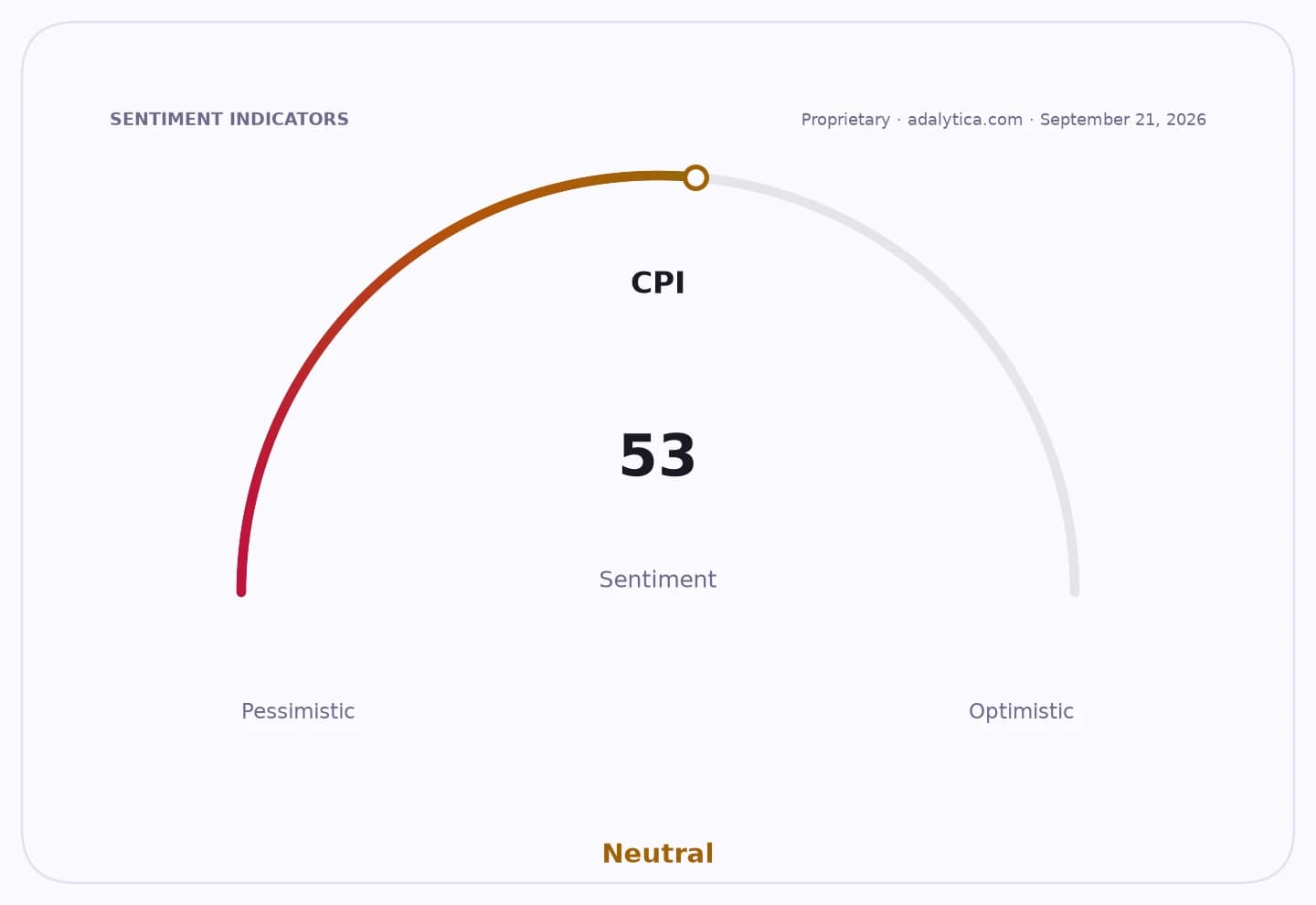
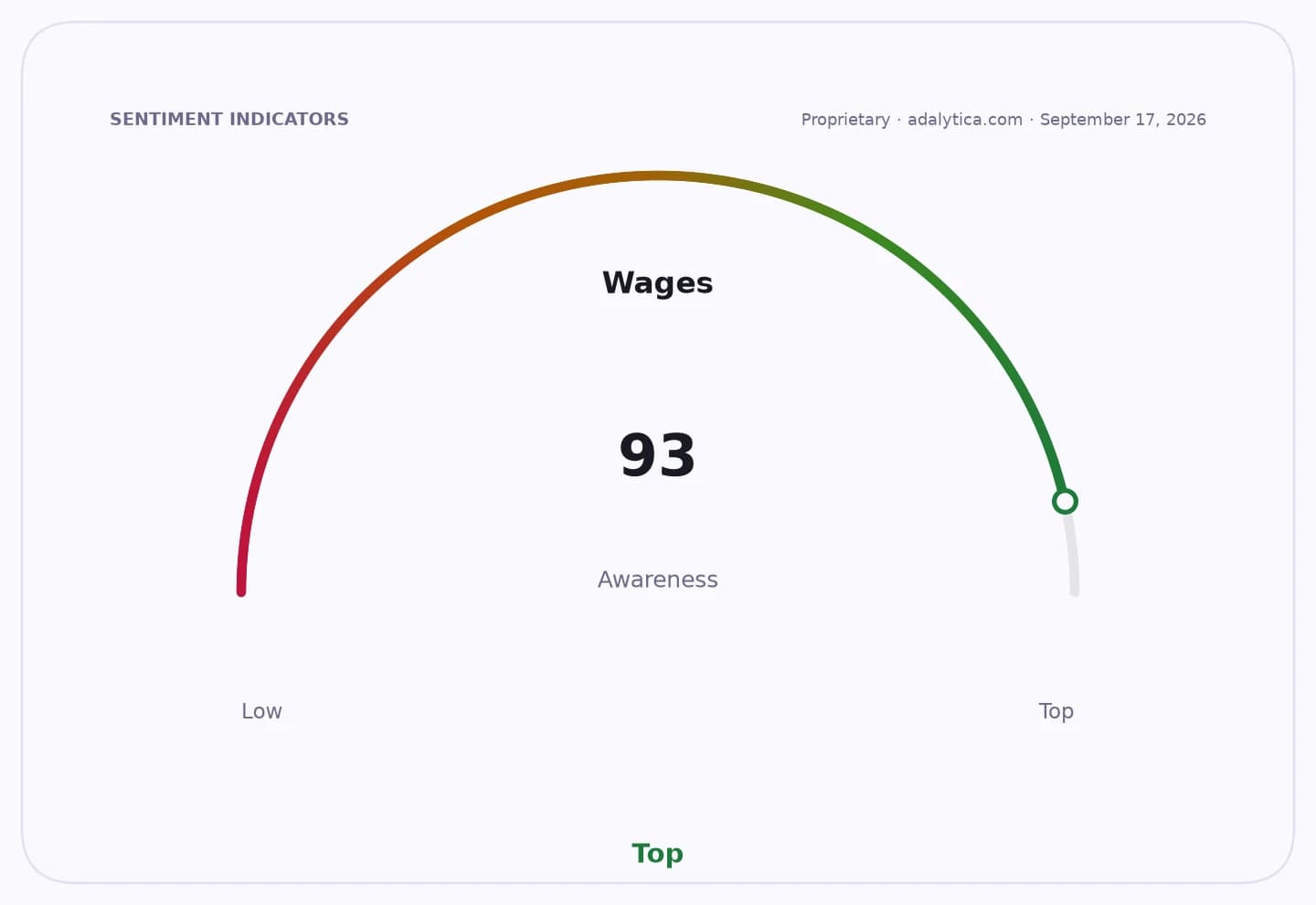
Sentiment IndicatorsⓘProprietary · adalytica.com · September 22, 2026
This is a snapshot — live sentiment, awareness and momentum for 130+ markets update continuously in the dashboard.Open AlphaPulse
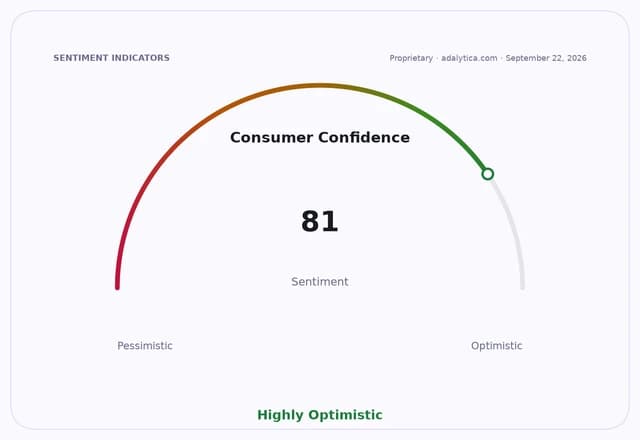
The economic significance is straightforward: the state is putting more cash into household incomes at a time when consumer prices remain far above pre-pandemic levels. Egypt’s consumer price index stood at 334.1 in August, compared with 333.0 a month earlier, while the unemployment rate was 4.1%, suggesting the labour market is stable enough for the government to lean on wage support rather than emergency relief. For a country that has spent years balancing social stability against fiscal strain, the payroll decision is both a welfare measure and a demand-side stimulus.
The increase is not small in aggregate terms. A minimum monthly salary of 8,000 pounds, together with a 12% periodic raise for employees covered by the civil service law, 15% for workers under special statutes and an extra 750-pound allowance, lifts take-home pay across the public sector. The ministry also published revised pay bands, with sixth-grade employees set to receive 8,800 pounds and top-grade workers 15,534 pounds, giving the policy a wider reach than a headline minimum wage alone suggests.
For investors, the immediate read-through is to consumption and the fiscal account. Higher public-sector pay should support spending on necessities, which may help retailers and consumer-facing businesses, but the benefit will be uneven. The latest price action in U.S. consumer ETFs mirrors that tension: the S&P 500 consumer discretionary fund has recently underperformed the broader market, while staples have held up better, a pattern consistent with households remaining selective even as incomes rise. In Egypt, that usually means the first beneficiaries are food, basic goods and services, not premium discretionary demand.
The government’s move also reflects a familiar trade-off in emerging markets: wage relief can stabilize households, but it can also add to budget pressure if inflation does not cool quickly. A stronger public payroll can feed local demand and ease social friction, yet if it is not matched by productivity gains or revenue strength, it raises questions about the durability of fiscal discipline. That is the key investor issue — not the pay hike itself, but whether it marks a manageable adjustment or another layer of recurrent spending in a budget already under strain.
The political message is clear as well. The salary schedule follows presidential instructions to improve the living standards of state workers, signaling that wage policy remains a tool of social management as much as economics. The next test is whether the higher minimum and allowances are enough to keep pace with living costs, or whether further rounds of adjustment will be needed later in the fiscal year.
| Entity | Gains | Losses |
|---|---|---|
| Egyptian public employees | ▲Higher take-home pay | ▼Inflation erosion, partially offset |
| Government of Egypt | ▲Social stability, stronger consumption | ▼Higher wage bill, fiscal pressure |
| Consumer staples retailers | ▲Better household spending | ▼Limited if real incomes stay tight |
| Discretionary retailers | ▲Some income lift | ▼Weakness if spending stays defensive |