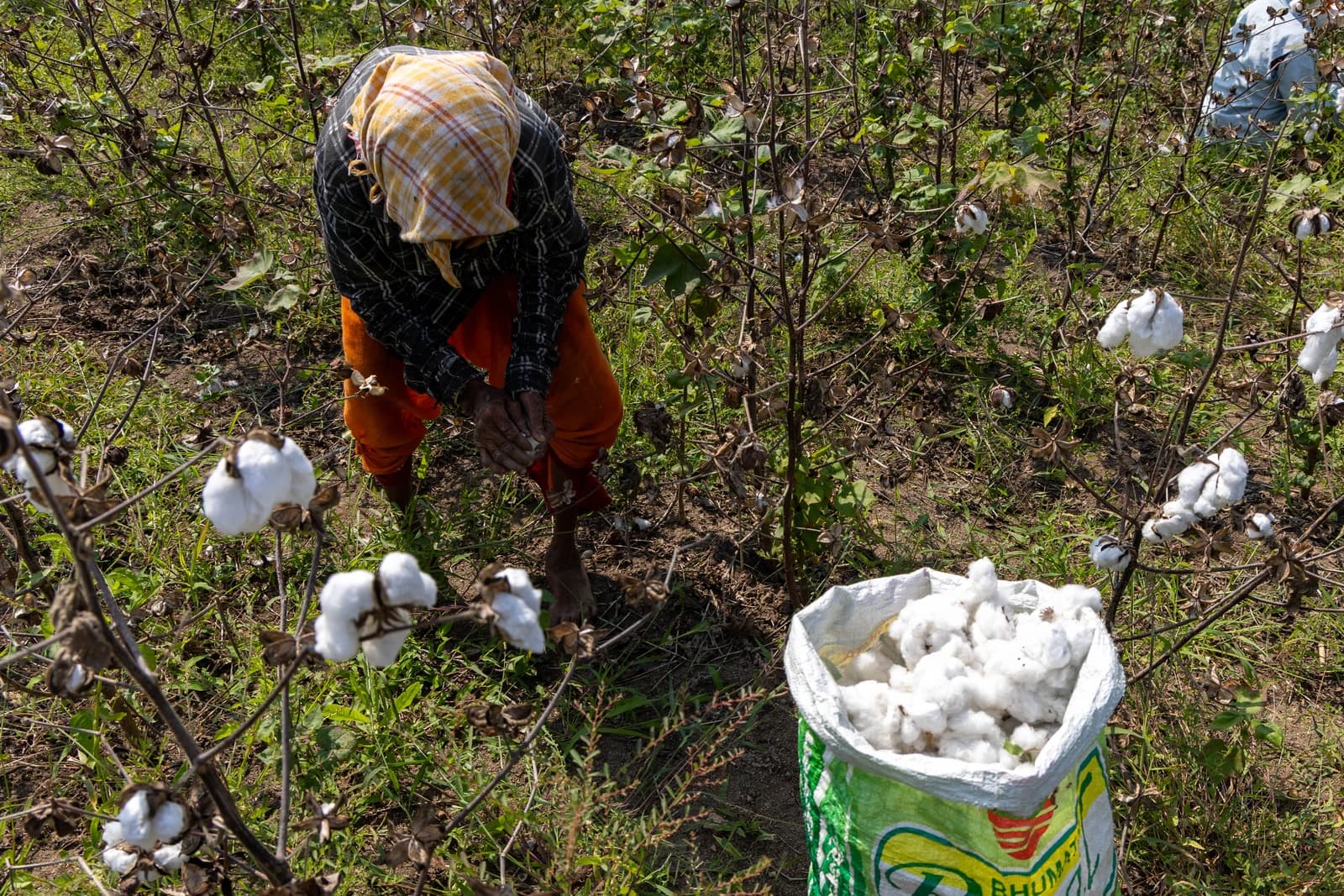
Egypt’s cotton trading system drew strong bidding in Gharbia, where auctioneers sold 6,066 quintals of Super Giza 94 for about 62.2 million pounds, underscoring how the state-run marketing overhaul is being used to stabilize farm incomes and link domestic lint prices more closely to global markets.
Egypt cotton auction clears 6,066 quintals in Gharbia
The auction matters because Egypt’s cotton sector sits at the intersection of agriculture, textile manufacturing and export earnings. By channeling sales through transparent local collection centers, authorities are trying to reduce the price distortions that have long discouraged growers and complicated supply planning for mills. For investors in Egyptian agri-business, ginning and textiles, the takeaway is not the volume alone but the fact that the market cleared in full across a large lot at a visibly competitive price.
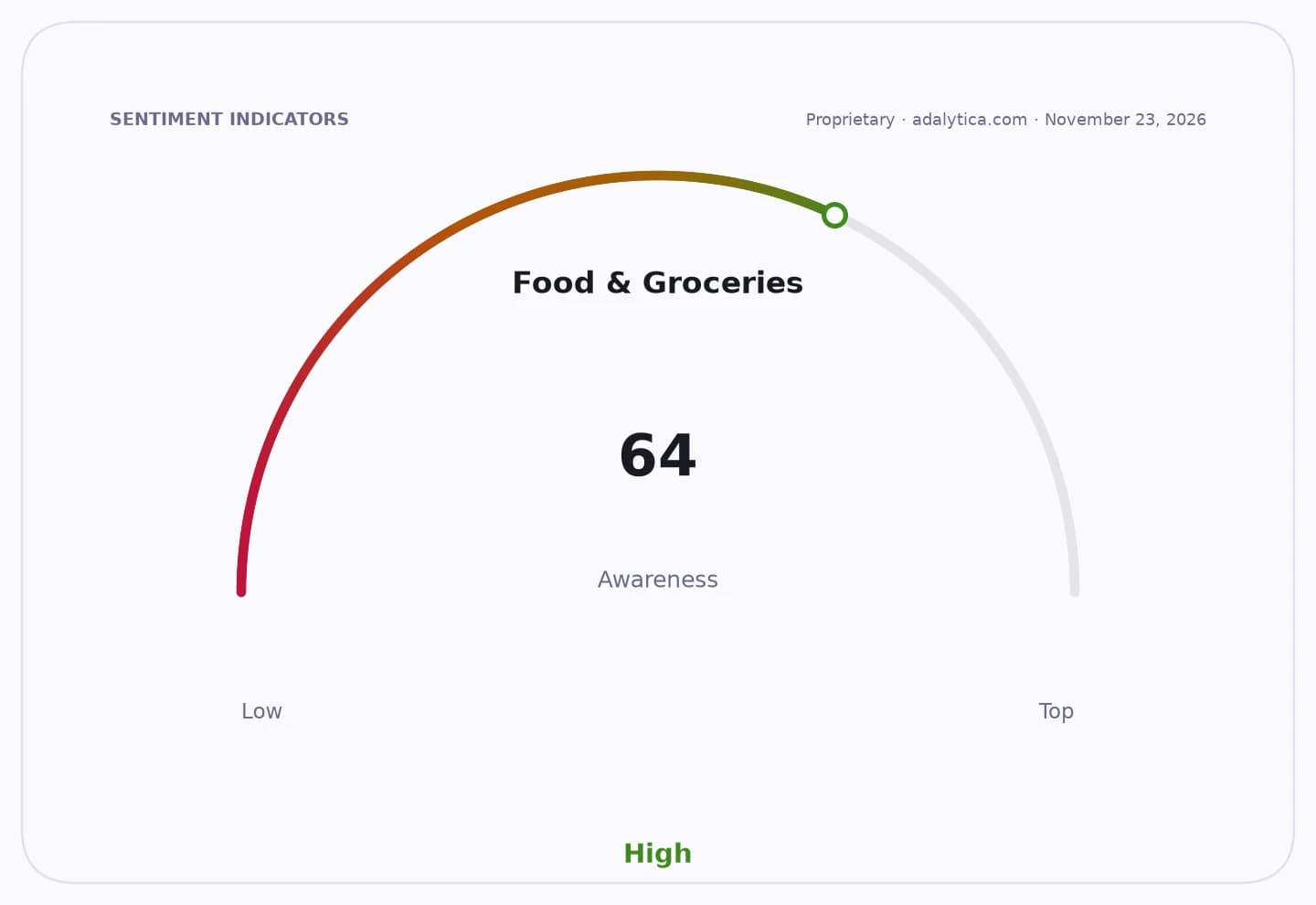
Sentiment Indicators
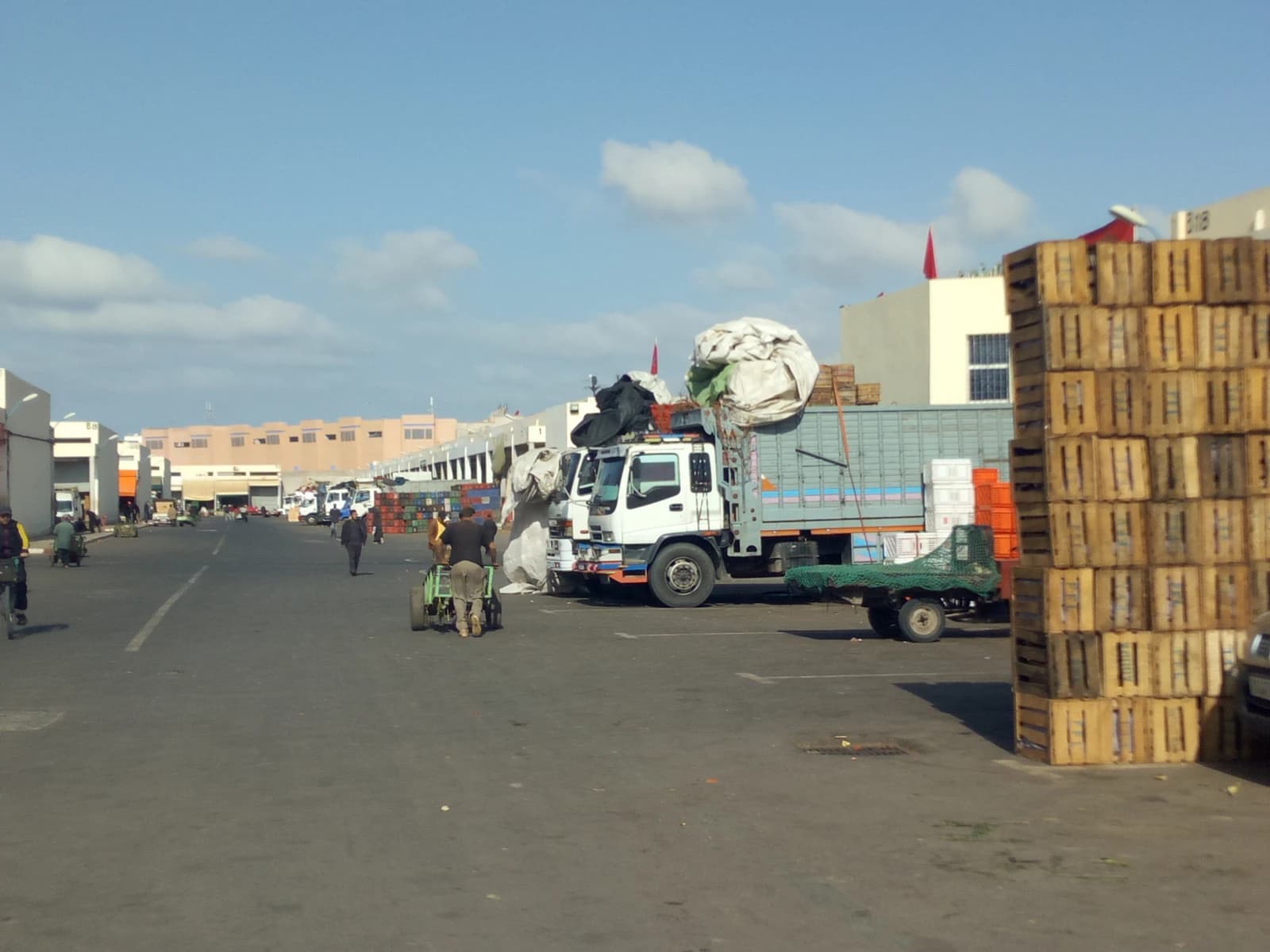
The Gharbia sale was split among three buyers: Abdel Maged Ghoneim took 3,200 quintals, Al-Nil Al-Haditha 1,780 and Al-Bashir 1,086. The auction covered multiple collection points across the governorate, including Mahalla, Samalout and other delta centers, with sources describing strong competition among trading and ginning companies as they sought to secure supplies.
That competition is important. Egypt has been trying to preserve its long-staple and extra-long-staple cotton reputation while also ensuring enough raw material for domestic spinning and weaving. Higher-yielding varieties such as Giza 94 are central to that strategy because they are meant to support both mill demand and export positioning. Officials said the current season has seen acreage hold up, with average yields of nine to 10 quintals per feddan, a sign that farm-level returns may be improving enough to keep growers in the crop.
For the broader economy, a functioning cotton auction system also matters to rural liquidity. When farmers are paid at prices tied to market demand rather than opaque middlemen, cash returns improve and planting decisions become easier to justify in the next season. That can help cushion weak agricultural conditions elsewhere in the delta and support related industries from ginning to logistics and textiles.
For investors, the auction is a read on supply discipline and demand resilience. A clean sale at more than 62 million pounds suggests the market still has room for selective strength even as Egypt’s cotton industry contends with quality concerns and uneven output. The bull case is that transparent pricing and steadier acreage keep volumes flowing to mills and exporters. The bear case is that if production growth stalls or quality slips, the system can clear inventory without solving the deeper competitiveness problem.
What to watch next is whether the auction results hold across other governorates and whether farmgate prices remain attractive enough to sustain plantings into the next season. If they do, Egypt’s cotton reform may start to look less like an administrative change and more like a durable support for a sector that remains strategically important to the country’s textile chain.
| Entity | Gains | Losses |
|---|---|---|
| Cotton farmers | ▲Better price realization | ▼Dependence on market demand |
| Winning trading firms | ▲Secured supply | ▼Higher procurement costs |
| Egyptian textile mills | ▲More visible raw cotton flow | ▼Tighter margins if lint prices rise |
| Middlemen outside auction system | ▲Less role in pricing | ▼Lost pricing power |