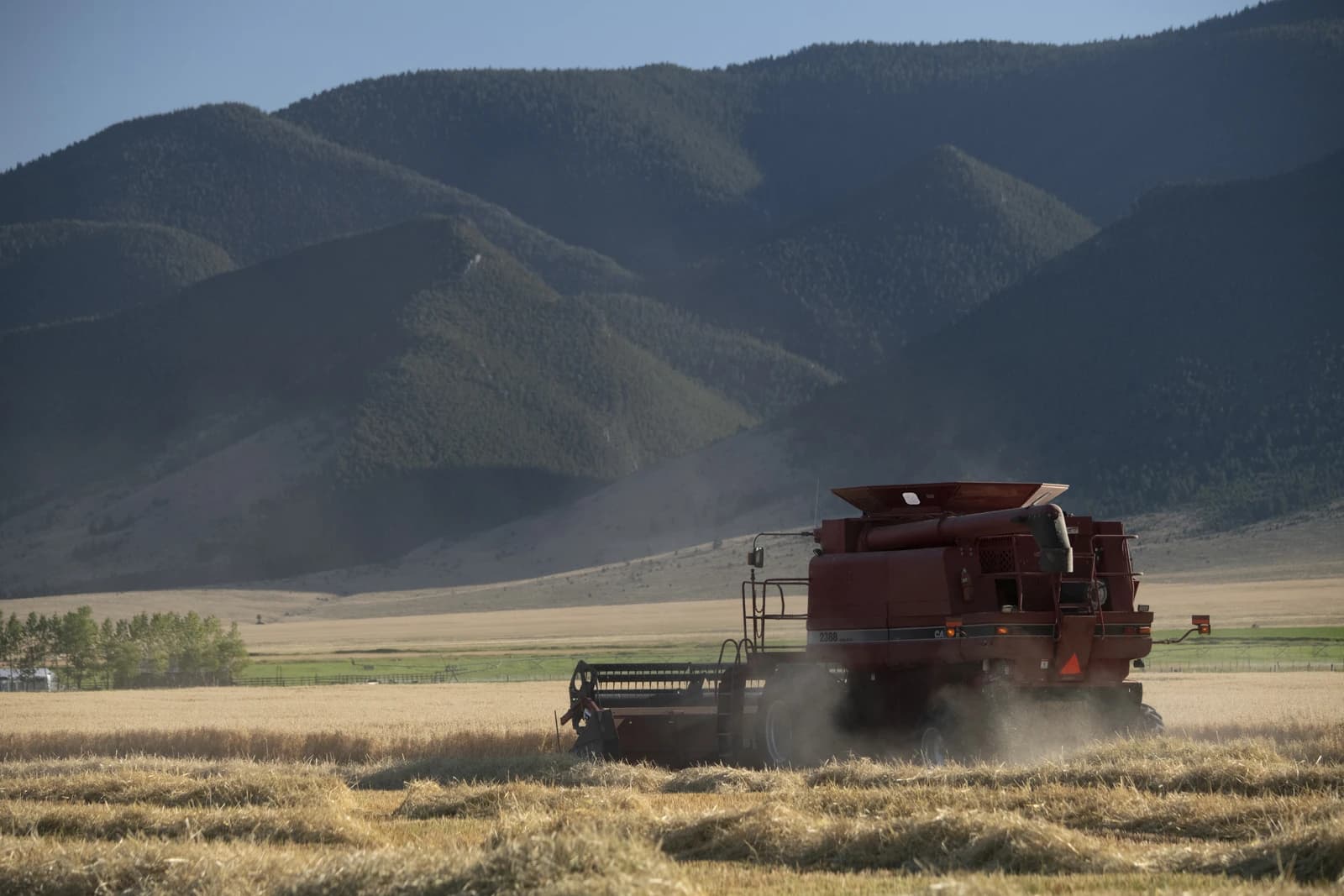
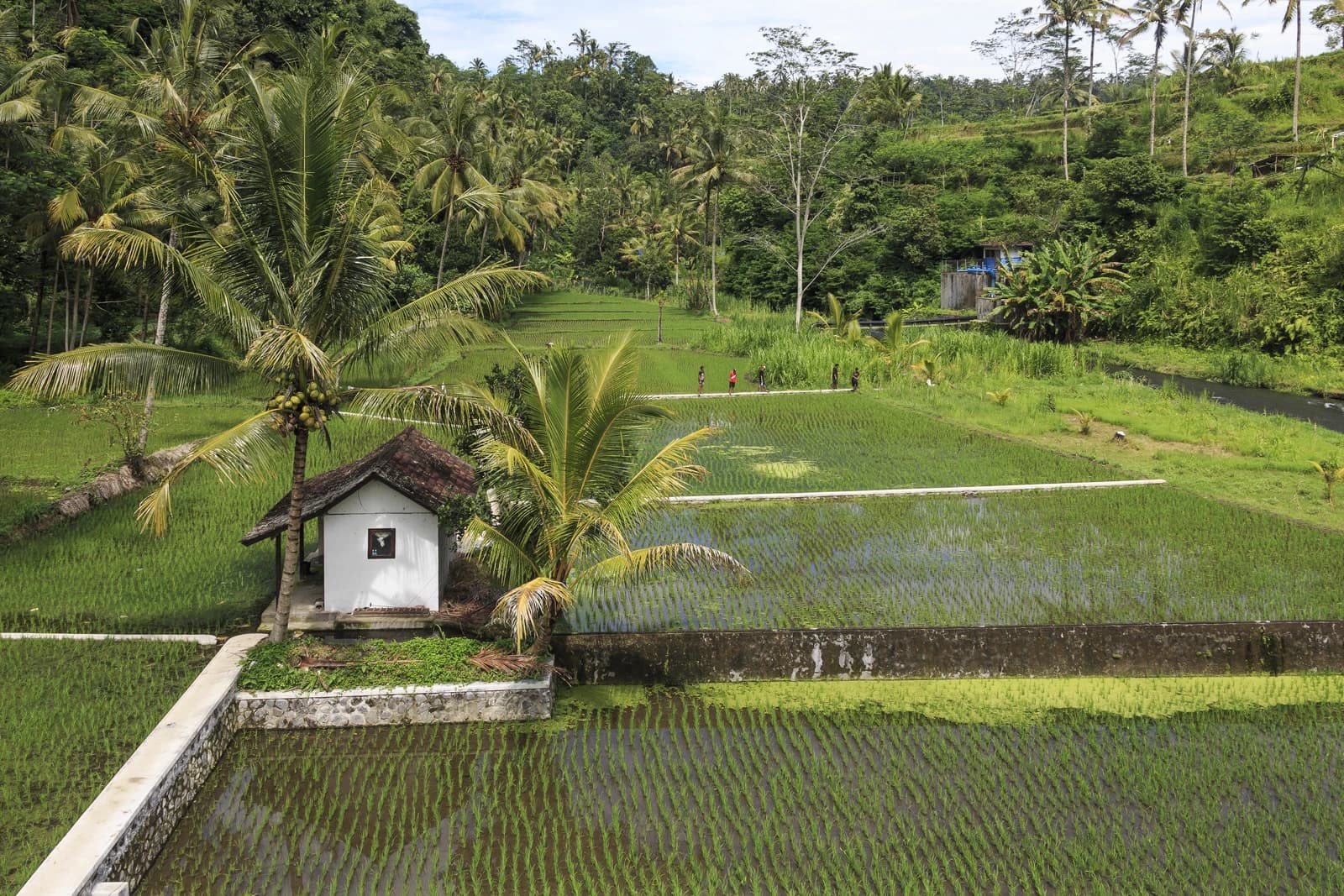
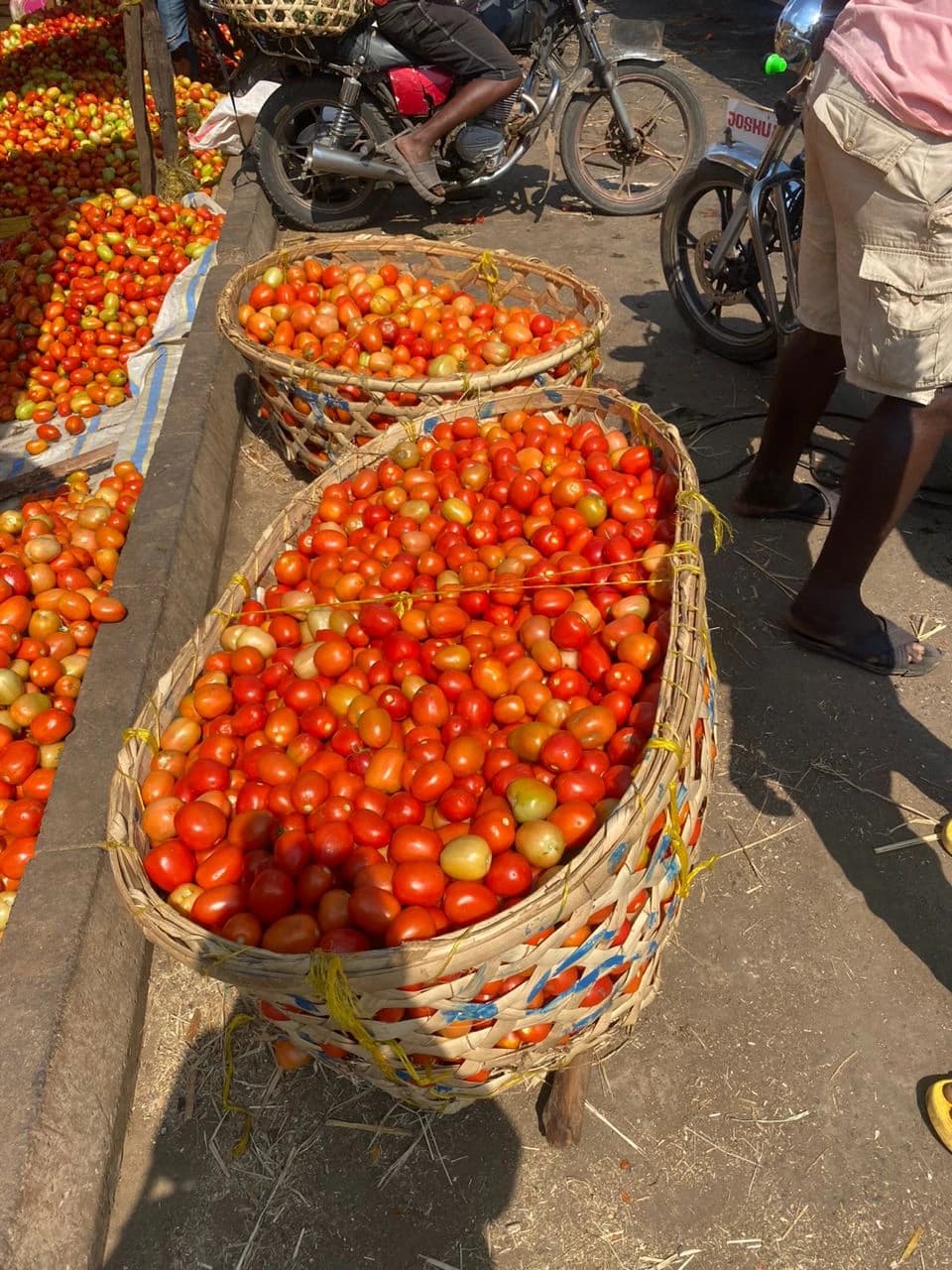
Egypt’s agriculture ministry is intensifying field preparations for the 2026/2027 winter planting season, with officials emphasizing wheat seed storage, sugar beet fieldwork and cotton handling as the key operational priorities for a crop cycle that will shape food supply, farm incomes and subsidy execution.
Egypt Agriculture Ministry Prepares 2026-2027 Winter Crops
The ministry said the land-reclamation sector spent the first half of November touring sugar beet districts, checking cooperative associations, seed warehouses and subsidized fertilizer stores, while also verifying farmer records through the “Farmer Card” system. The effort matters because winter crops such as wheat, beet and broad beans are central to Egypt’s food security and import bill, making the efficiency of seed distribution and support delivery economically consequential ahead of planting.
Sentiment Indicators
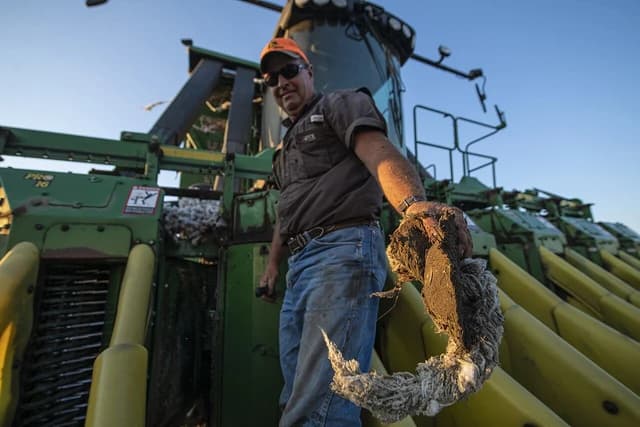
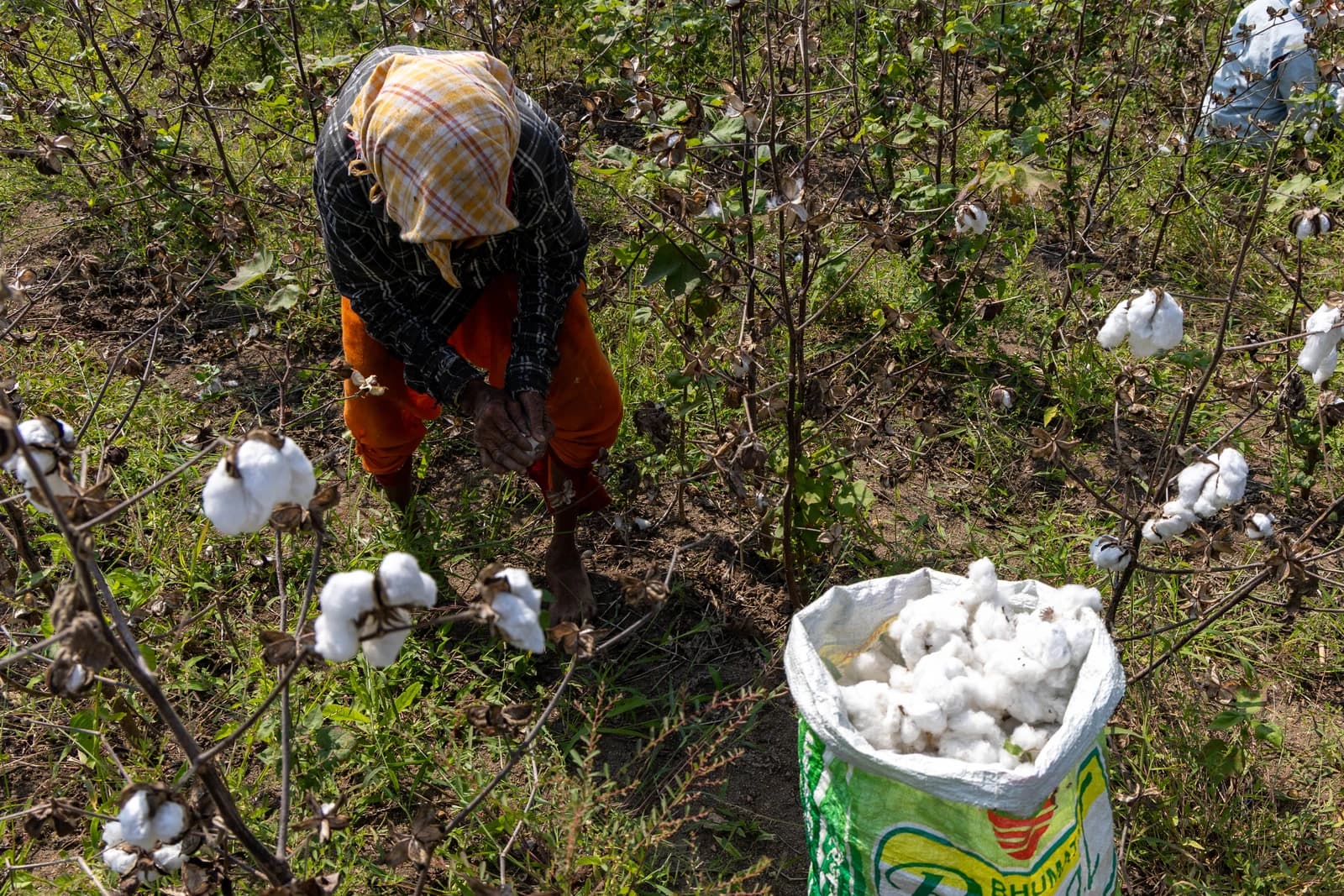
Officials also said the sector completed harvests of summer rice and corn for the 2026 season, while planting winter sugar beet and winter tomatoes and receiving cotton output. In practical terms, that leaves the ministry trying to move smoothly from one season to the next without disrupting supply chains for seed, fertilizer and irrigation at a time when global agricultural markets remain sensitive to weather, logistics and policy swings.
The campaign is also designed to curb leakage in the subsidy system. Inspectors are continuing to audit land holdings in the Farmer Card program to remove fictitious plots and ensure support reaches eligible growers. That is important for state finances as much as for farmers: tighter registry controls can reduce waste in fertilizer and seed subsidies, but they also raise the bar for accurate local administration and could expose gaps in informal land records.
Food & Groceries
Fieldwork over the period included 15 immediate removals of encroachments on agricultural land and state property covering about 1,470 square meters, plus reviews of 15 land-use changes in the Matrouh area. While the figures are modest in isolation, the broader message is that Cairo is pairing crop preparation with land protection, a sign the state sees agricultural land use as both an output issue and a governance issue.
The ministry also reported seven advisory seminars on wheat cultivation, weed and pest control, and field guidance for potatoes, beans, cotton picking and winter crops, alongside 15 field days and 10 extension activities in Dakahlia and West Nubaria. It said engineers completed dredging 28 branch canals and private irrigation channels totaling 32.2 kilometers and 19 drains totaling 23.1 kilometers across multiple governorates. That infrastructure work is critical if planting is to proceed on time and if farmers are to avoid water bottlenecks during the coming season.
For investors and agribusiness stakeholders, the story points to a familiar but important equation: better planting execution and tighter input distribution can support domestic output, but they also reinforce demand for seeds, fertilizer and irrigation services. For wheat and sugar beet markets in particular, smoother local supply management could temper import pressure later in the season, while any delay in execution would raise the risk of higher procurement needs.
| Entity | Gains | Losses |
|---|---|---|
| Egyptian farmers | ▲Better input access | ▼Less room for informal claims |
| Agriculture ministry | ▲Tighter control of subsidies | ▼Higher enforcement burden |
| Wheat, beet and cotton growers | ▲More support before planting | ▼Risk if distribution slips |
| State budget | ▲Less subsidy leakage | ▼More near-term administrative costs |