Indonesia’s agriculture ministry is moving to plant rice on 3,000 hectares simultaneously across 14 provinces as it races to lift national planting progress before the wet season window narrows.
Indonesia agriculture ministry plants rice across 14 provinces
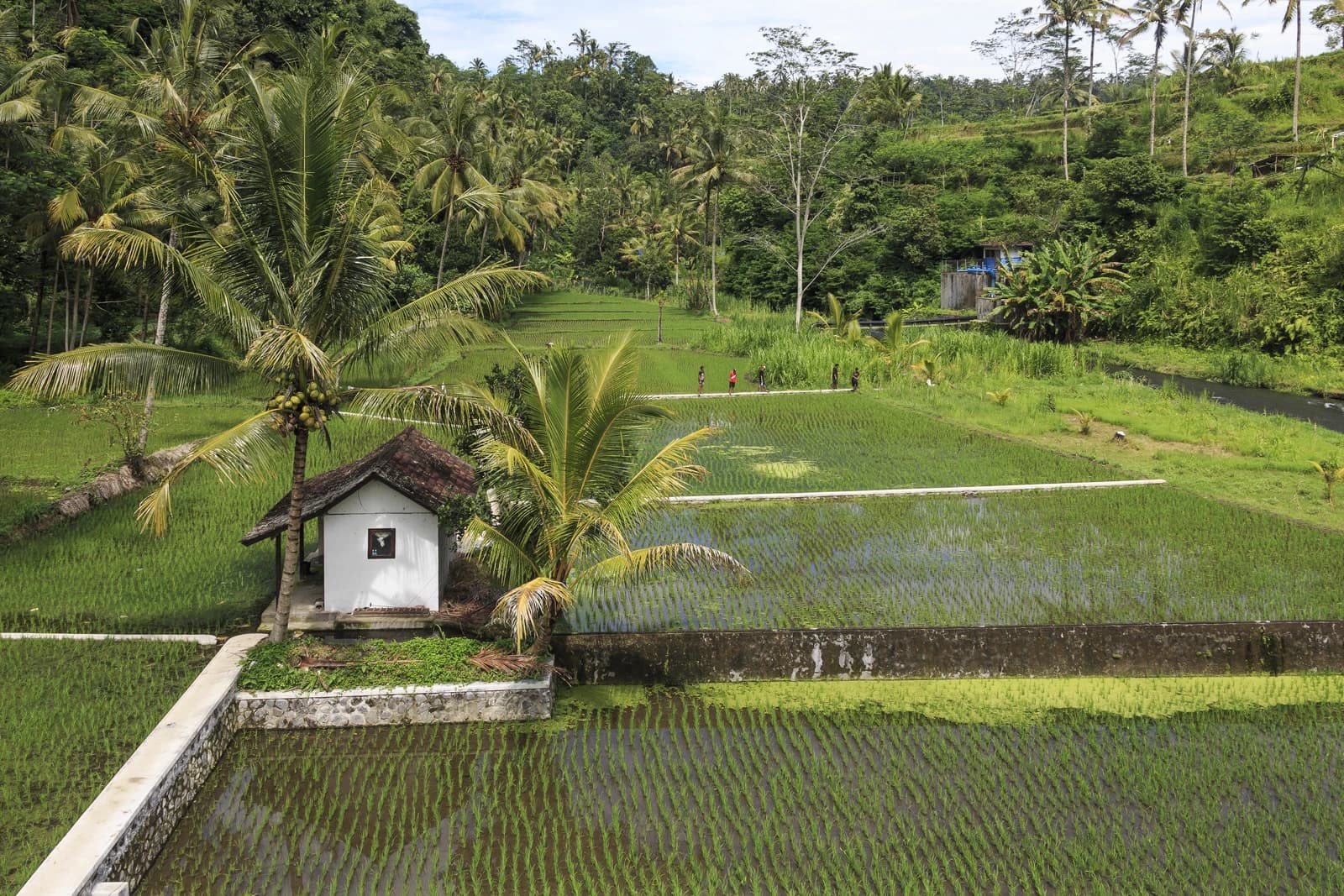
The effort matters because rice is Indonesia’s most politically sensitive staple and the government is trying to prevent seasonal supply gaps that can feed inflation. Officials said the campaign is designed to accelerate the country’s land-addition target of about 2 million hectares, while smoothing harvests through the year so production does not pile up in one period and leave the market short in another.
Badan Penyuluhan dan Pengembangan Sumber Daya Manusia Pertanian, the ministry’s human-resources and extension agency, said the synchronized planting drive was centered in Kuningan, West Java, and backed by 14 provinces. The 3,000-hectare target is small relative to the national goal, but it is being used as an operational push to speed implementation after less than 10% of the annual land-addition target had been realized, according to the agency.
The timing is important. Early-season rainfall gives farmers more reliable water access, which can reduce dependence on irrigation at a time when drought risk has been a concern. Officials said they have already reviewed forecasts from the meteorology agency and coordinated with local stakeholders to avoid weather-related setbacks. The ministry also wants to make better use of newly converted rice fields and “food brigade” institutions that were set up to help accelerate planting and harvest operations.
For investors, the near-term implication is less about the size of the planting block than about the policy signal: Jakarta is still prioritizing domestic rice output and supply discipline. If the campaign helps spread planting and harvests more evenly, it could limit price spikes during lean months and reduce the need for emergency market intervention. That would be positive for consumers and for policymakers trying to contain food inflation, which has broader implications for purchasing power and interest-rate expectations.
The flip side is that the campaign highlights how dependent Indonesia remains on execution at the farm level. Officials themselves noted that terrain varies sharply by region, meaning mechanization and planting methods must be adapted to local agro-ecology. That raises the risk that headline planting targets may outrun actual field conditions, especially in hilly areas where equipment use is more difficult.
Still, the broader narrative is clear: Indonesia is trying to turn the onset of the rainy season into a production hedge. If the ministry can sustain synchronized planting and keep harvests staggered, the policy could help stabilize rice availability into 2027 and reduce the kind of price volatility that has often forced the government into ad hoc market measures.
| Entity | Gains | Losses |
|---|---|---|
| Indonesian consumers | ▲More stable rice supply | ▼Lower risk of price spikes |
| Agriculture ministry | ▲Faster progress toward planting targets | ▼Pressure to deliver on execution |
| Rice farmers | ▲Better water availability in wet season | ▼More coordination demands |
| Rice traders/hoarders | ▲— | ▼Less room for shortage-driven price gains |