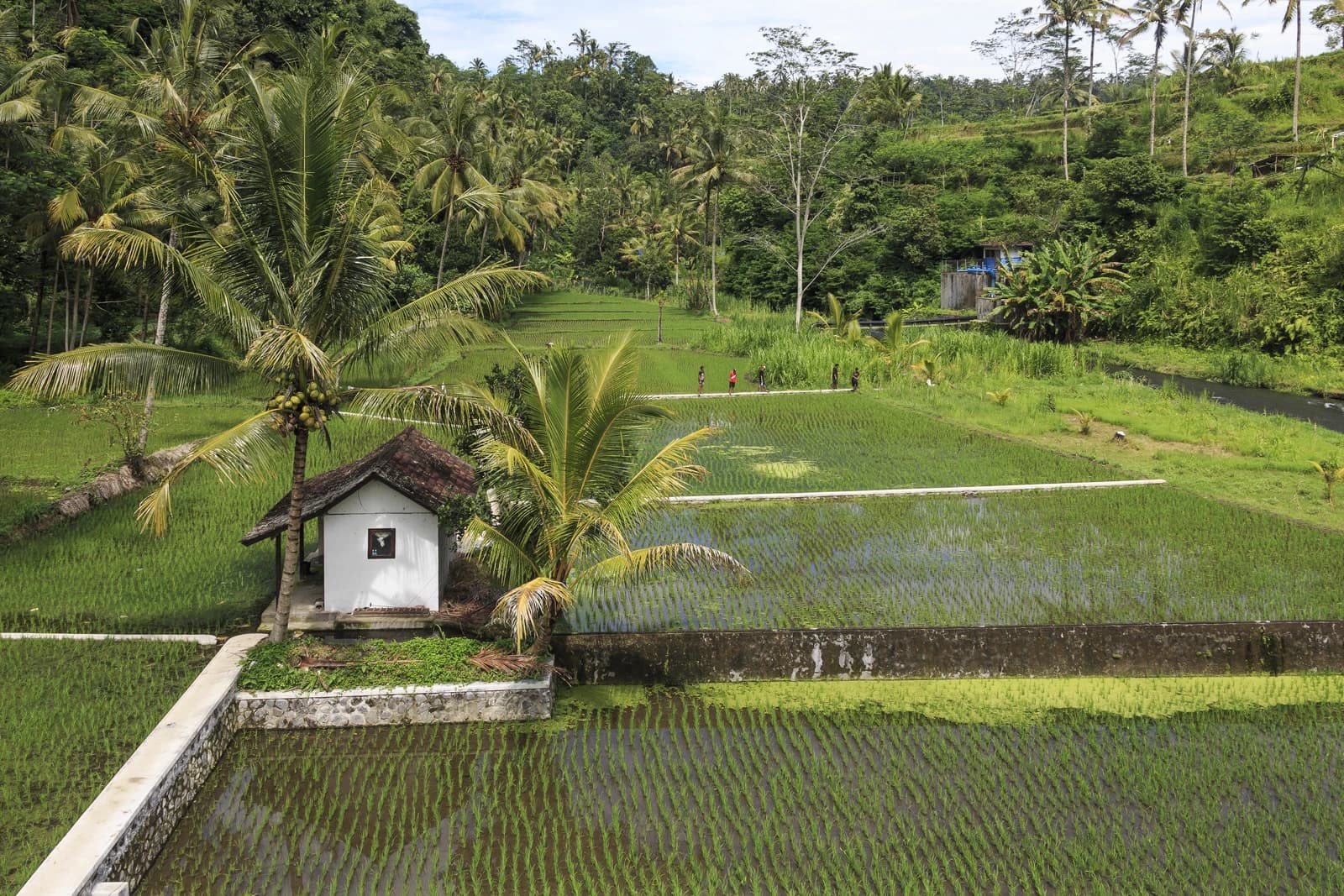
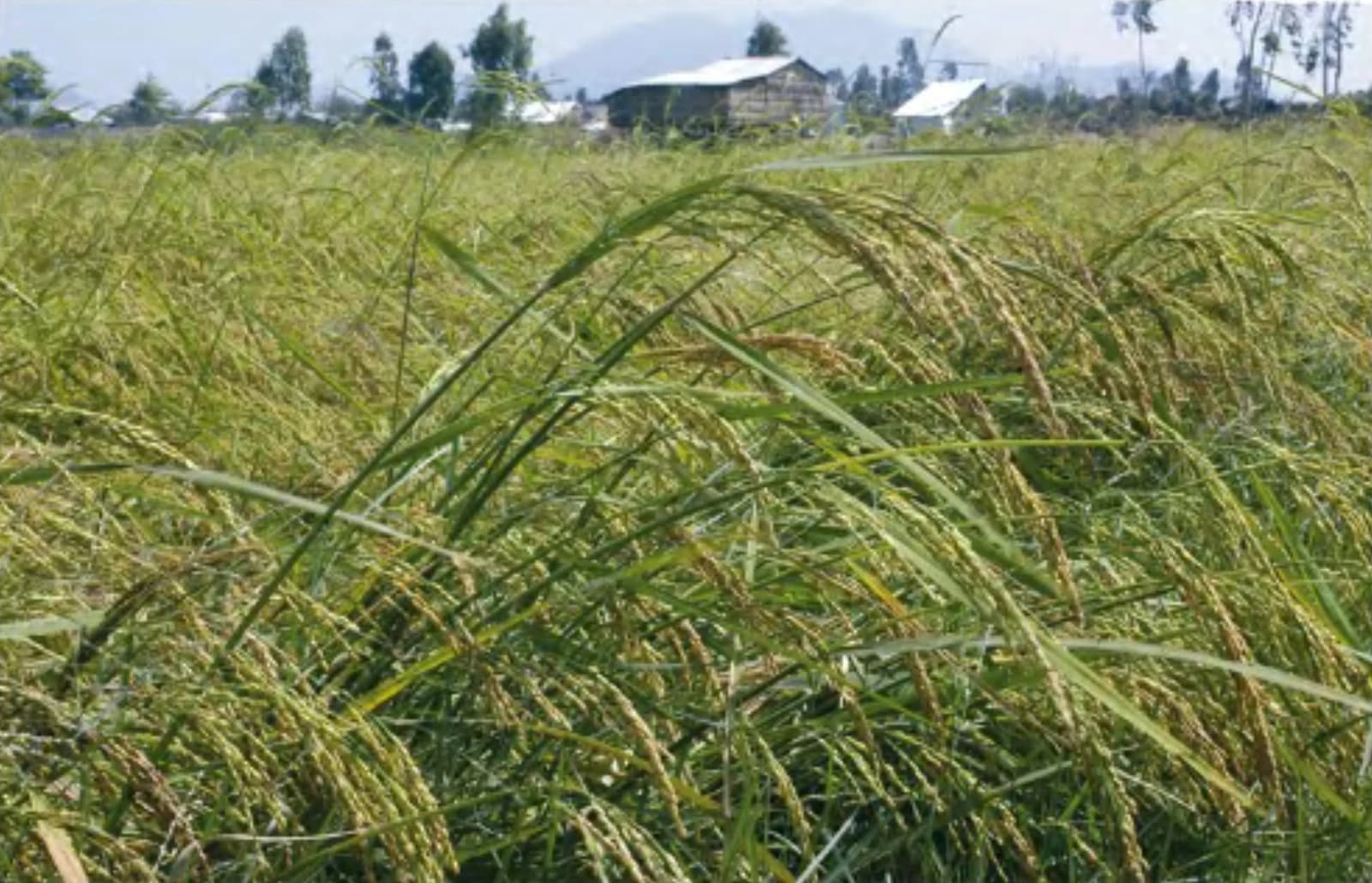
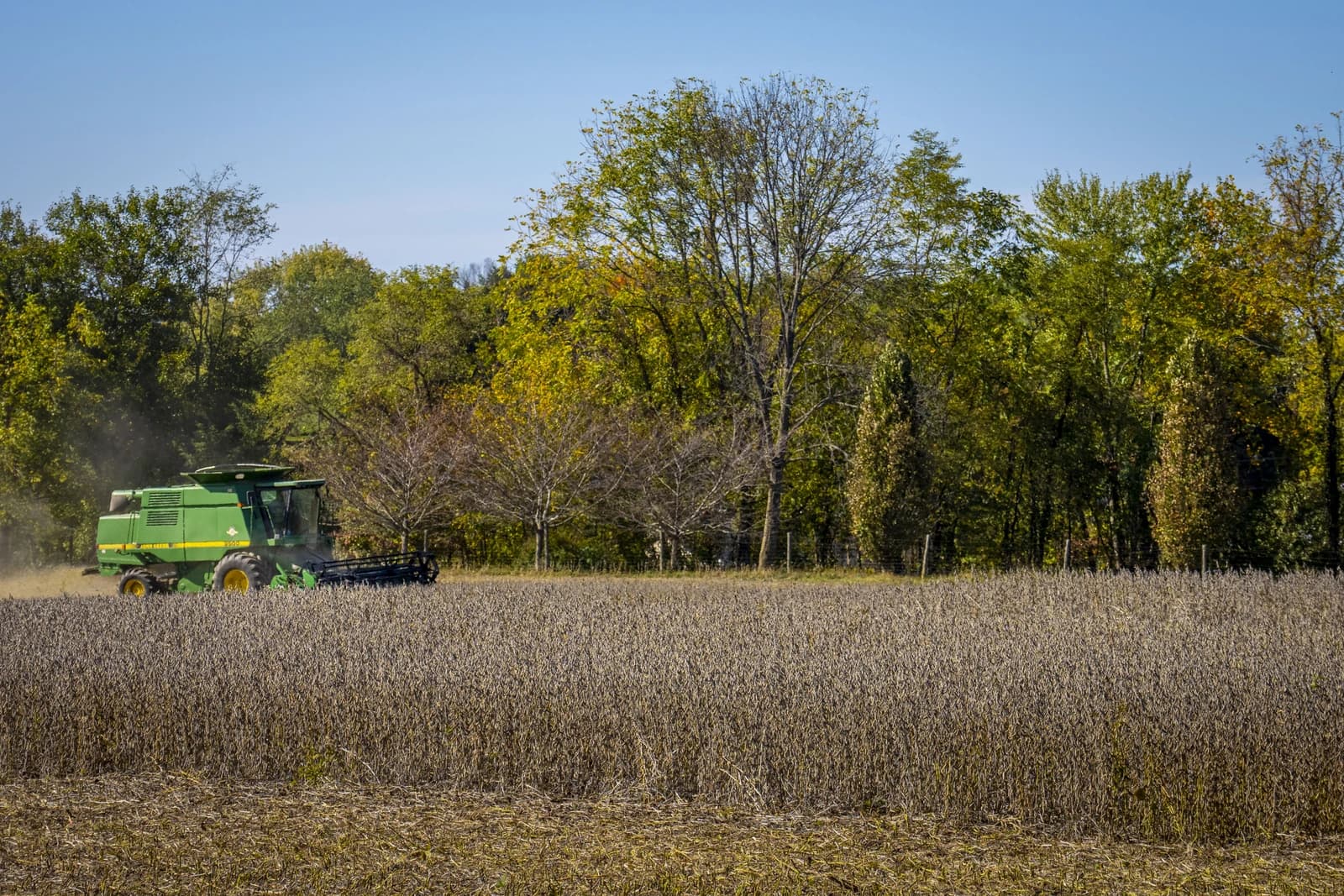
Kuningan’s rice producers have delivered 343,069 tons of output so far this year, but the regency still needs a strong final quarter to match last year’s harvest as a longer-than-usual dry season slows planting and raises the risk of missing its production target.
Kuningan rice output lags target amid dry season
That gap matters economically because rice is not just a staple in West Java’s food supply chain; it is a key buffer against price pressures, import dependence and rural income volatility. Local officials said Kuningan has until December to add about 53,319 tons to reach last year’s 396,388-ton total, leaving a narrow window to recover lost planting time.
The challenge is less about demand than about field conditions. The agriculture office said planting area had reached 62,077 hectares by October, down from 64,185 hectares in the comparable period a year earlier, while harvested area stood at 55,923 hectares versus 64,188 hectares previously. Officials estimate about 2,100 hectares of missing planting area still need to be covered if the regency is to close the production gap.
The dry spell is hitting a district that has previously been a meaningful rice surplus area. Kuningan reported a rice surplus of 119,933 tons in the past, and officials want to preserve that status because sustained surplus production helps stabilize local supply, supports farmer incomes and reduces pressure on regional distribution systems when weather or logistics tighten elsewhere.
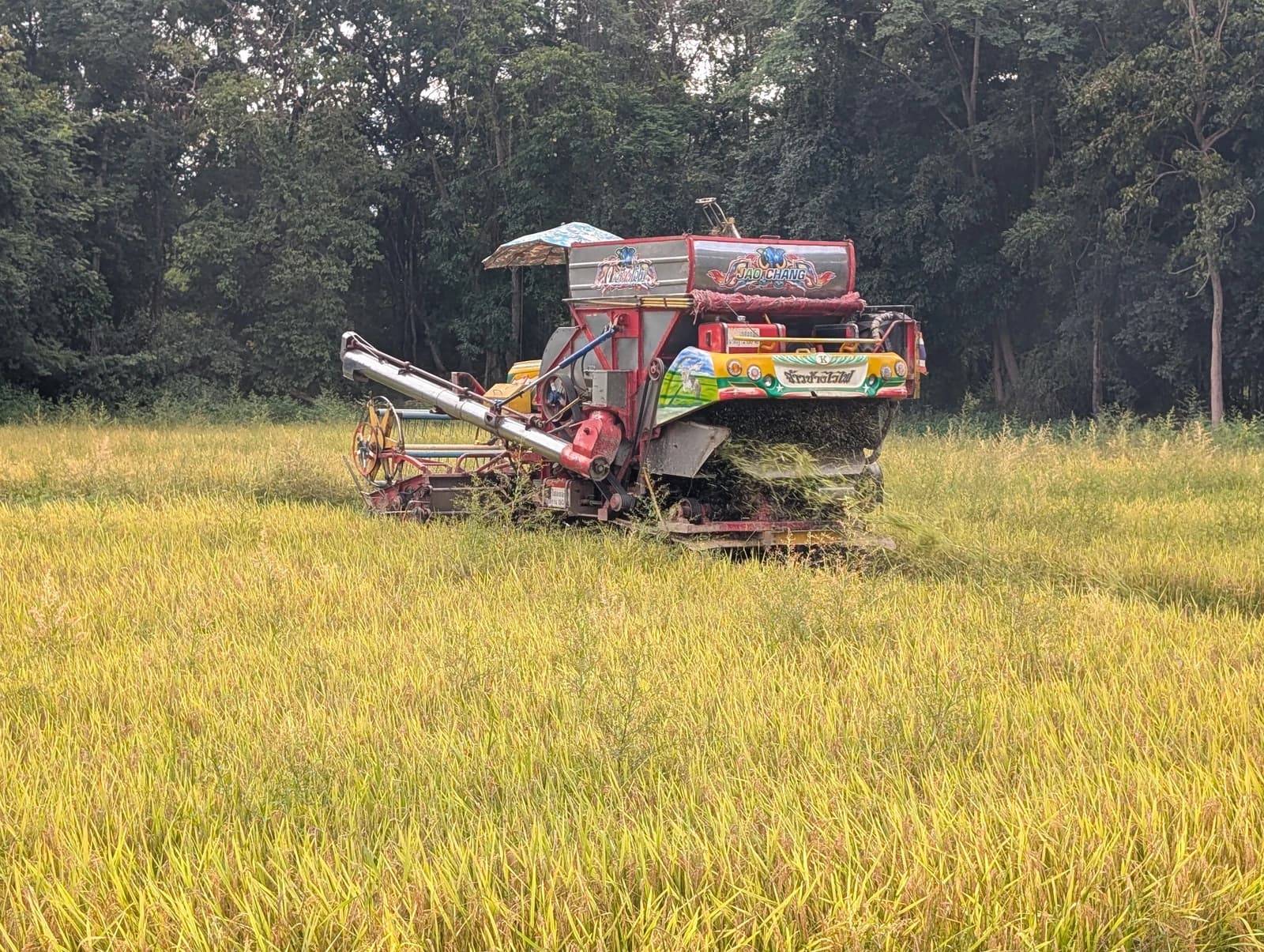
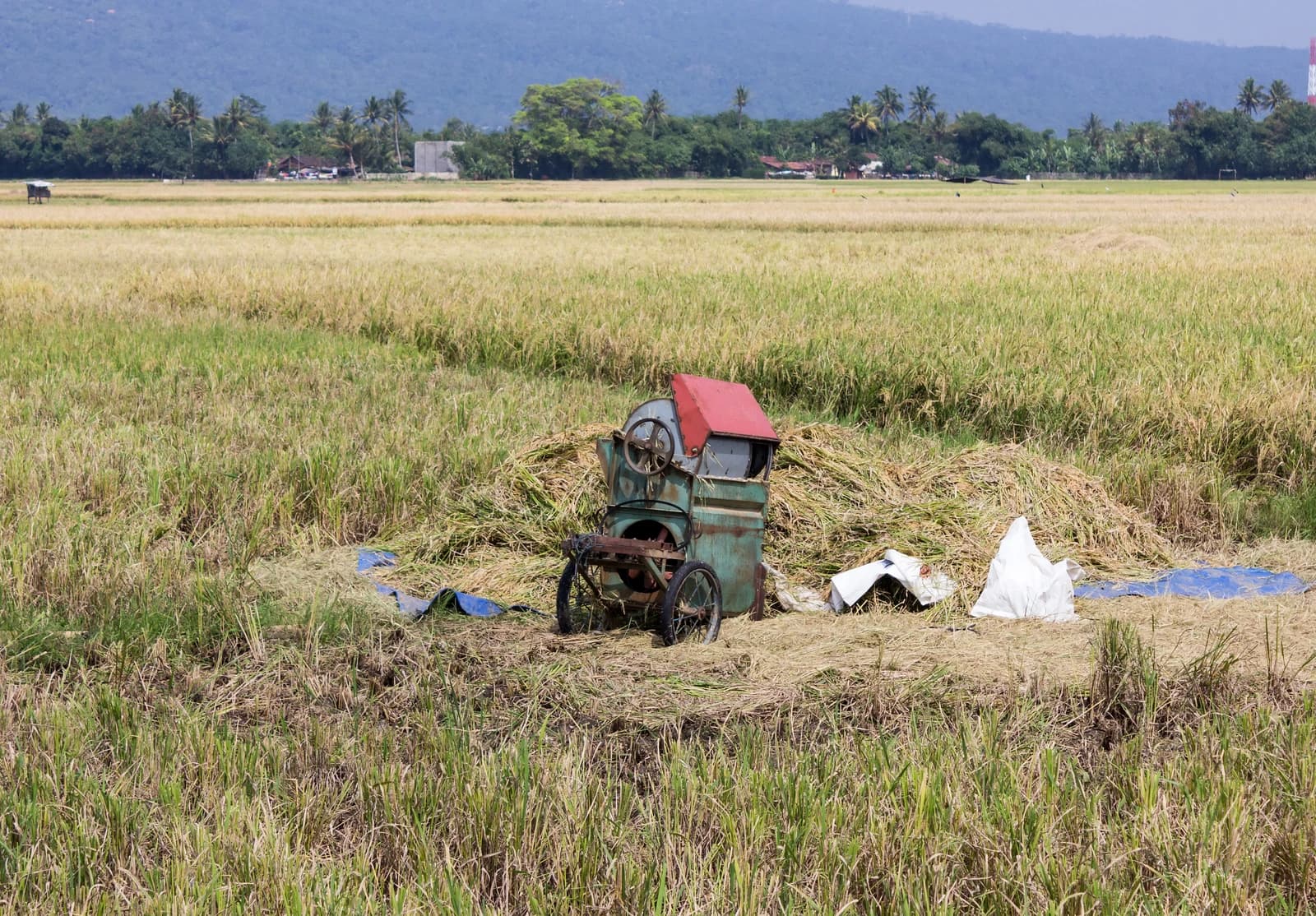
For investors and agribusiness stakeholders, the story is a reminder that Indonesian rice supply remains highly sensitive to weather, irrigation reliability and mechanization. Kuningan officials pointed to water availability and irrigation networks as decisive constraints, while also flagging shortages of farm machinery and labor. The district has asked for more two-wheel tractors, which are better suited to its terrain than four-wheel units, and for power threshers as farm labor thins.
The near-term upside is that Kuningan still has time to plant before year-end, and the region has received land-optimization programs totaling 2,961 hectares across 2025 and 2026 to improve utilization. The bear case is that extended drought, slower replanting and equipment bottlenecks could prevent the district from fully recovering output, leaving local authorities short of last year’s benchmark and potentially tightening rice availability in the final months of the year.
| Entity | Gains | Losses |
|---|---|---|
| Kuningan farmers | ▲Higher chance of preserved surplus | ▼Delayed planting, water stress |
| Local consumers | ▲More stable rice supply | ▼Higher price risk if output slips |
| District government | ▲Better food-security credibility | ▼Missed production target |
| Equipment suppliers | ▲Potential demand for tractors, threshers | ▼Slow procurement if budgets lag |