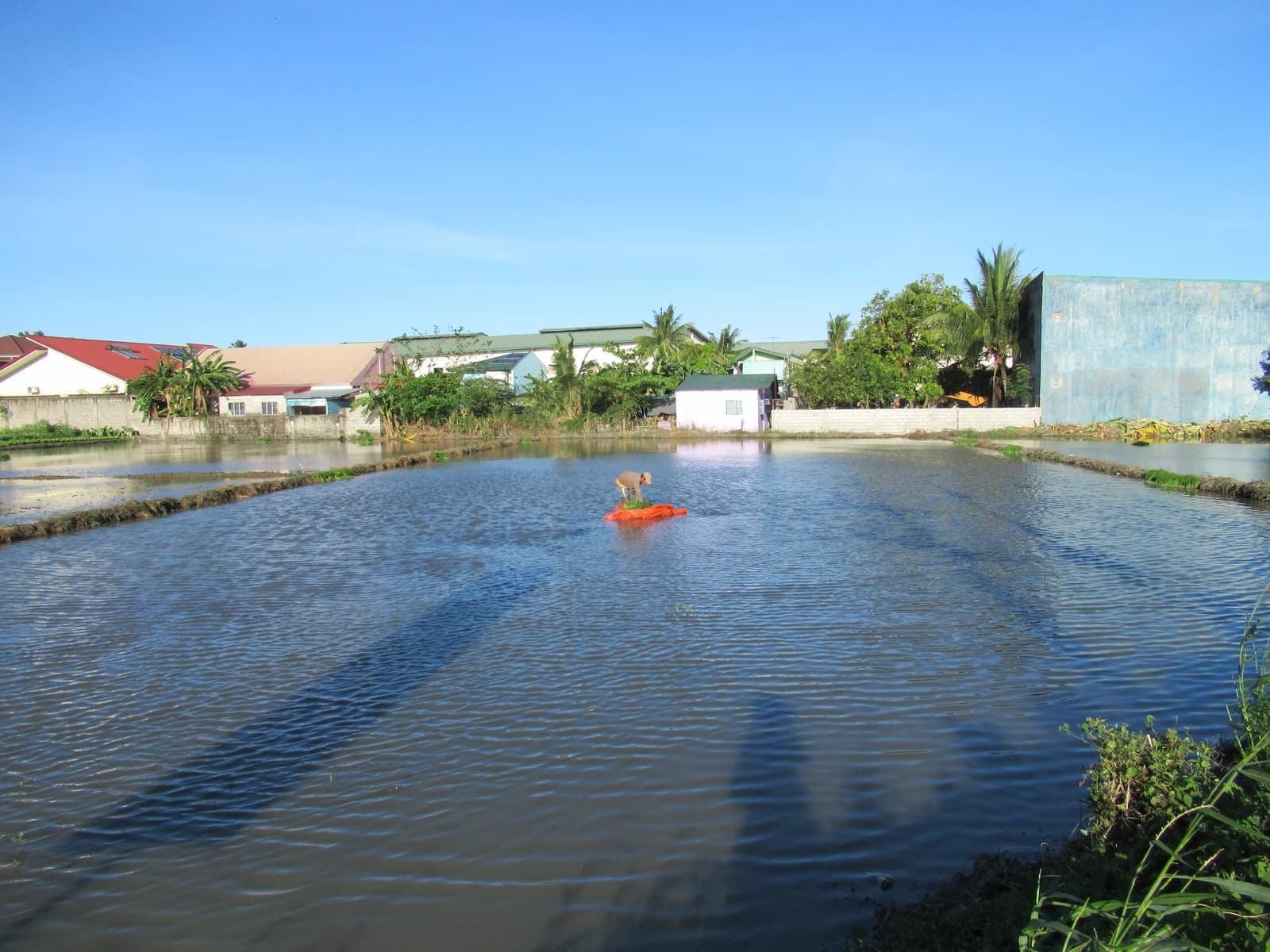
Kulgam’s gradual move from paddy to apples is becoming an economic reordering of one of Kashmir’s most important farm districts, with new storage, market infrastructure and private investment following the crop mix.
Kulgam apple acreage rises as paddy shrinks
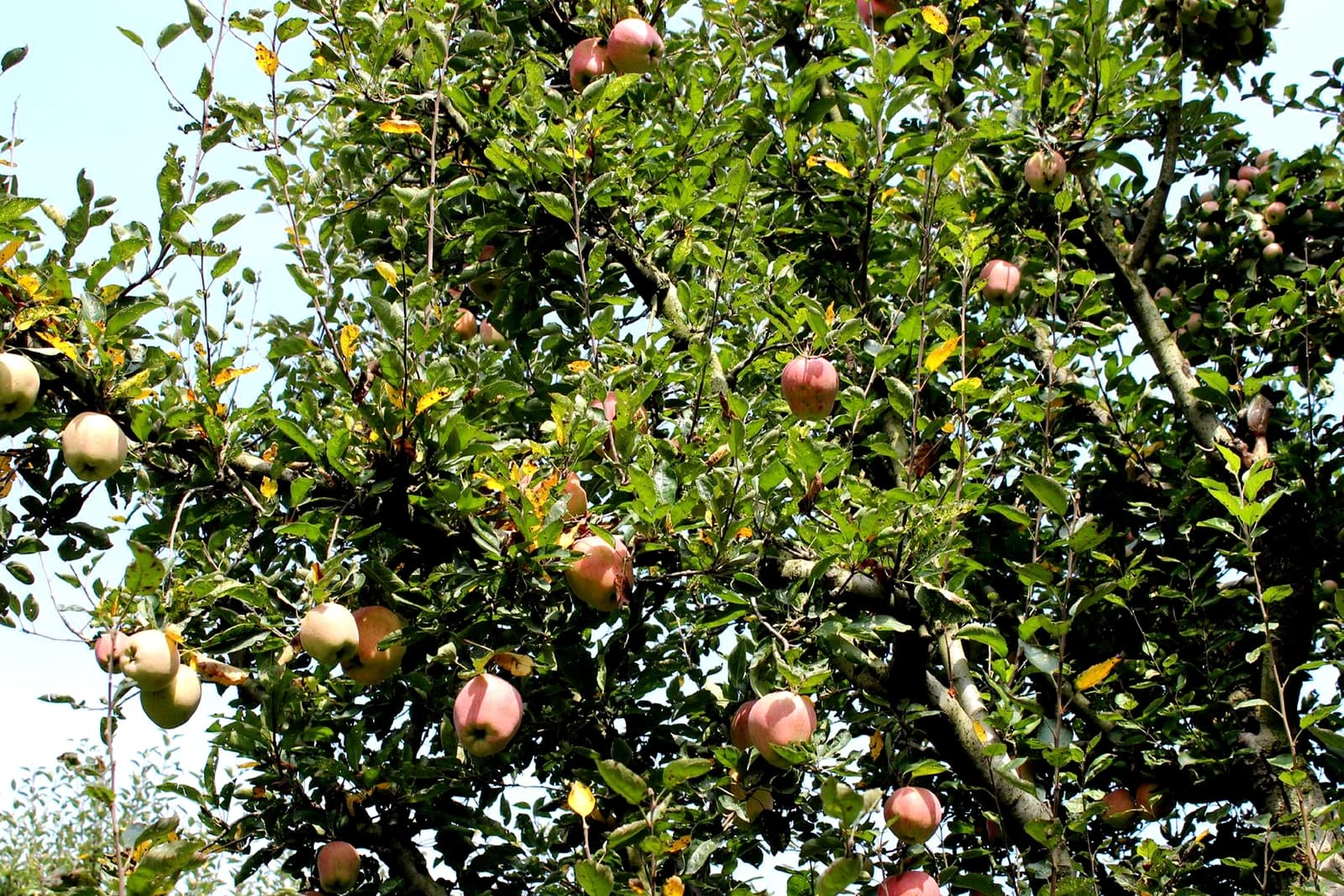
The change matters because it is not just a land-use shift but a transfer of income, jobs and bargaining power inside the rural economy. Official data show apple orchards covered 18,255 hectares in 2024-25, more than double the 6,951 hectares under paddy, underscoring how quickly the district once known as the “rice bowl” is being pulled toward horticulture.

That trend was already visible in the decade to 2020. Government spatial analysis showed paddy area shrinking from 18,500 hectares in 2011 to 12,900 hectares in 2020, while apple orchards expanded from 14,667 hectares to 20,787 hectares. The latest figures suggest the shift has accelerated rather than reversed.
For investors and local businesses, the more important story is the infrastructure now being built around the apple economy. Two cold-storage facilities with a combined capacity of about 10,000 metric tons are already operating, with bookings in hand, while two more projects of similar scale are under way. District officials say the four projects together will require more than 100 crore rupees of investment.
That capital is expected to ripple through the local economy. Officials estimate roughly 120 permanent jobs and another 200 to 250 seasonal positions at each cold store, alongside indirect demand for truck operators, auto drivers, box suppliers and other farm services. In a district where agricultural income is increasingly tied to one high-value crop, post-harvest logistics now matter as much as production.
The planned second fruit market at Adipora is the next piece of that supply chain. Officials have identified about 250 kanals of government land after repeated congestion at the existing market near the district hospital, particularly during the apple season. Better market access could reduce delays, limit spoilage and improve farmers’ realization prices, especially in peak harvest weeks when transport bottlenecks are costly.
For orchard owners, the bull case is clear: apples offer higher returns than paddy and are supported by a growing ecosystem of storage and trading infrastructure. The bear case is that greater dependence on one cash crop increases exposure to price swings, disease, weather and transport disruptions. The district’s economic gains will therefore depend on whether infrastructure keeps pace with the expansion of orchards.
For now, Kulgam’s evolving farm map points to a broader structural shift in Kashmir’s rural economy, where the winners are likely to be orchard owners, logistics providers and storage operators, and the losers are paddy growers who face shrinking land and fewer reasons to stay in rice cultivation.
| Entity | Gains | Losses |
|---|---|---|
| Apple growers | ▲Higher-value crop income | ▼— |
| Paddy farmers | ▲— | ▼Shrinking acreage |
| Cold storage operators | ▲Higher bookings, new investment | ▼— |
| Logistics and market workers | ▲More seasonal demand | ▼— |