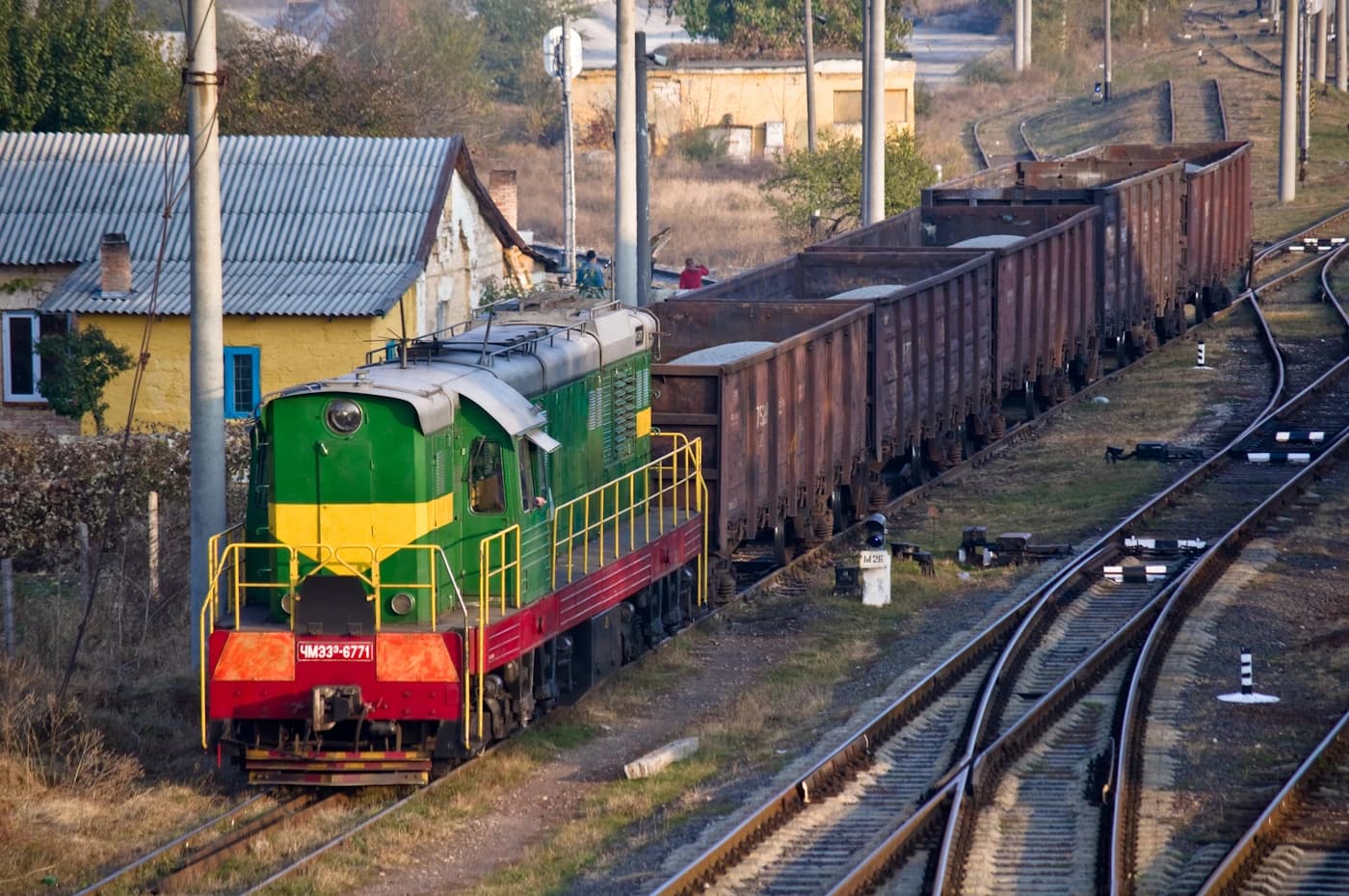
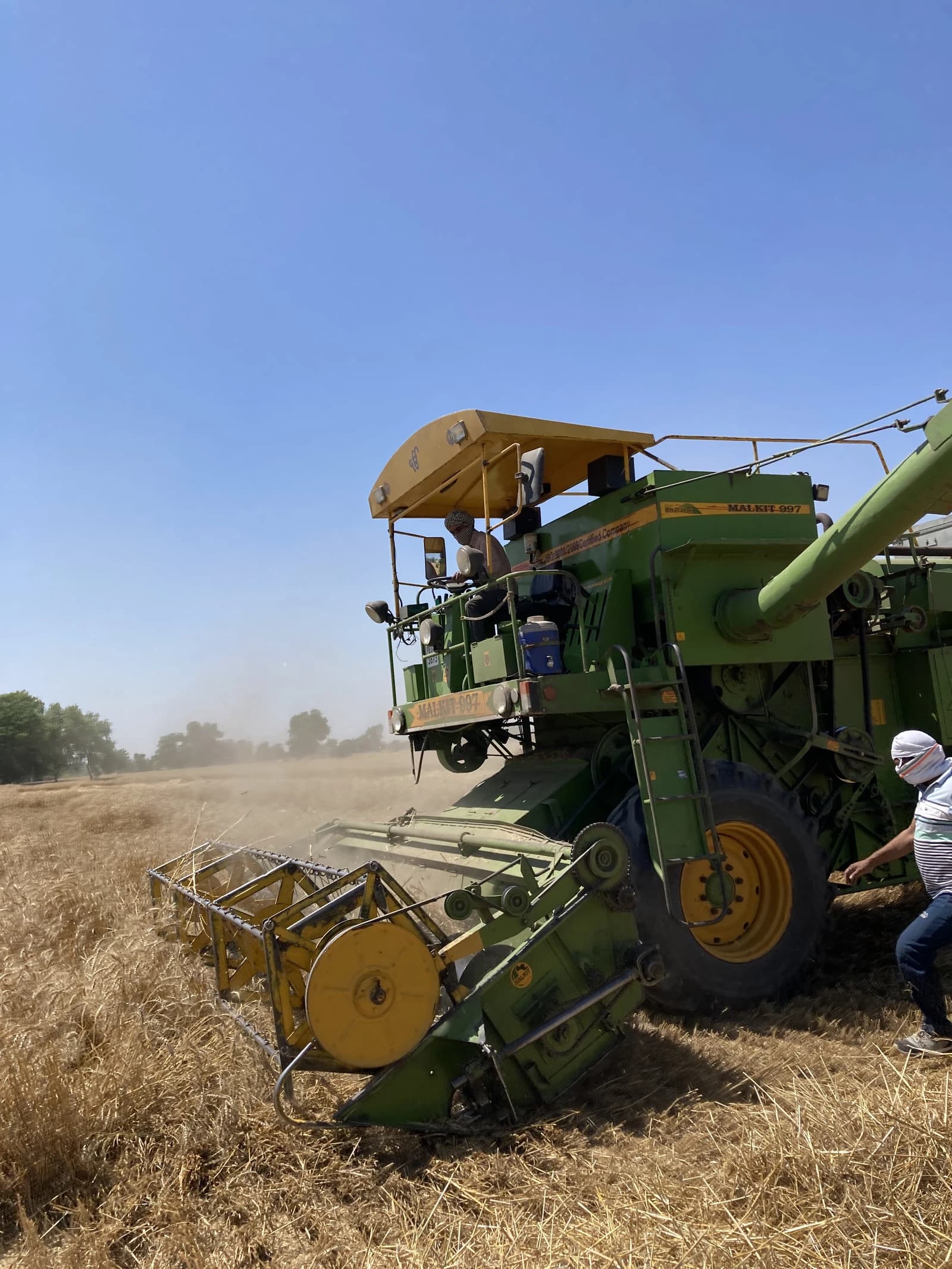
Kashmir’s farm economy is set to get a meaningful logistics upgrade as Northern Railway moves to build two modern warehouses at Anantnag and Pampore, a step that could help orchardists and saffron growers store produce longer, reduce spoilage and reach bigger markets by rail at lower cost.
Northern Railway plans warehouses in Anantnag, Pampore
That matters because Kashmir’s agricultural output is highly seasonal and highly perishable. Apples and saffron can lose value quickly if they are delayed, damaged or forced into distress sales, so the lack of nearby cold storage and handling facilities has long acted like a tax on local farmers. Putting warehouses next to rail stations should shorten loading and unloading times, improve product safety and make it easier for traders to wait for better prices instead of accepting whatever the market offers in harvest season.
The Railways is also trying to turn logistics into a long-duration private investment opportunity. The facilities will be offered under a 25-year lease, which the railway says should give investors stable returns while creating jobs in the Valley and strengthening local trade. In practical terms, that means the policy is not just about storage sheds; it is about building a more dependable supply chain around Kashmir’s agricultural exports.
The timing is important too. The apple season is underway, and Pampore’s saffron crop is among the Valley’s best-known cash products. If the warehouses work as intended, they could reduce wastage, support farmgate pricing and make rail freight a more attractive option than slower, costlier road transport. That would help local producers and also expand freight volumes for the railway itself.
For investors, the story is less about a single project than about a broader shift in how India is trying to modernize farm logistics in remote regions. Better storage, better transport and longer concession periods can unlock value in an otherwise fragmented agricultural supply chain. If private players respond to the tender, this could become a template for more such facilities across Jammu and Kashmir.
The big question now is execution: whether the stations can be linked to reliable cold-chain handling and whether local traders actually use the new infrastructure at scale. But for farmers in Kashmir, even the promise of less waste and better pricing is a powerful development — and one worth watching over the next few harvest seasons.
| Entity | Gains | Losses |
|---|---|---|
| Kashmir farmers | ▲Less spoilage, better pricing | ▼Reliance on ad hoc storage |
| Northern Railway | ▲Higher freight volumes | ▼Upfront project execution risk |
| Private investors | ▲Long lease returns | ▼Capital tied up for 25 years |
| Road transport middlemen | ▲— | ▼Some freight business shifts to rail |