Farmers across Thailand are heading into the main rice harvest with sharply higher combine-harvester costs and a growing risk that paddy prices will fall as crops flood the market in mid-November.
Thailand rice farmers face higher harvest costs
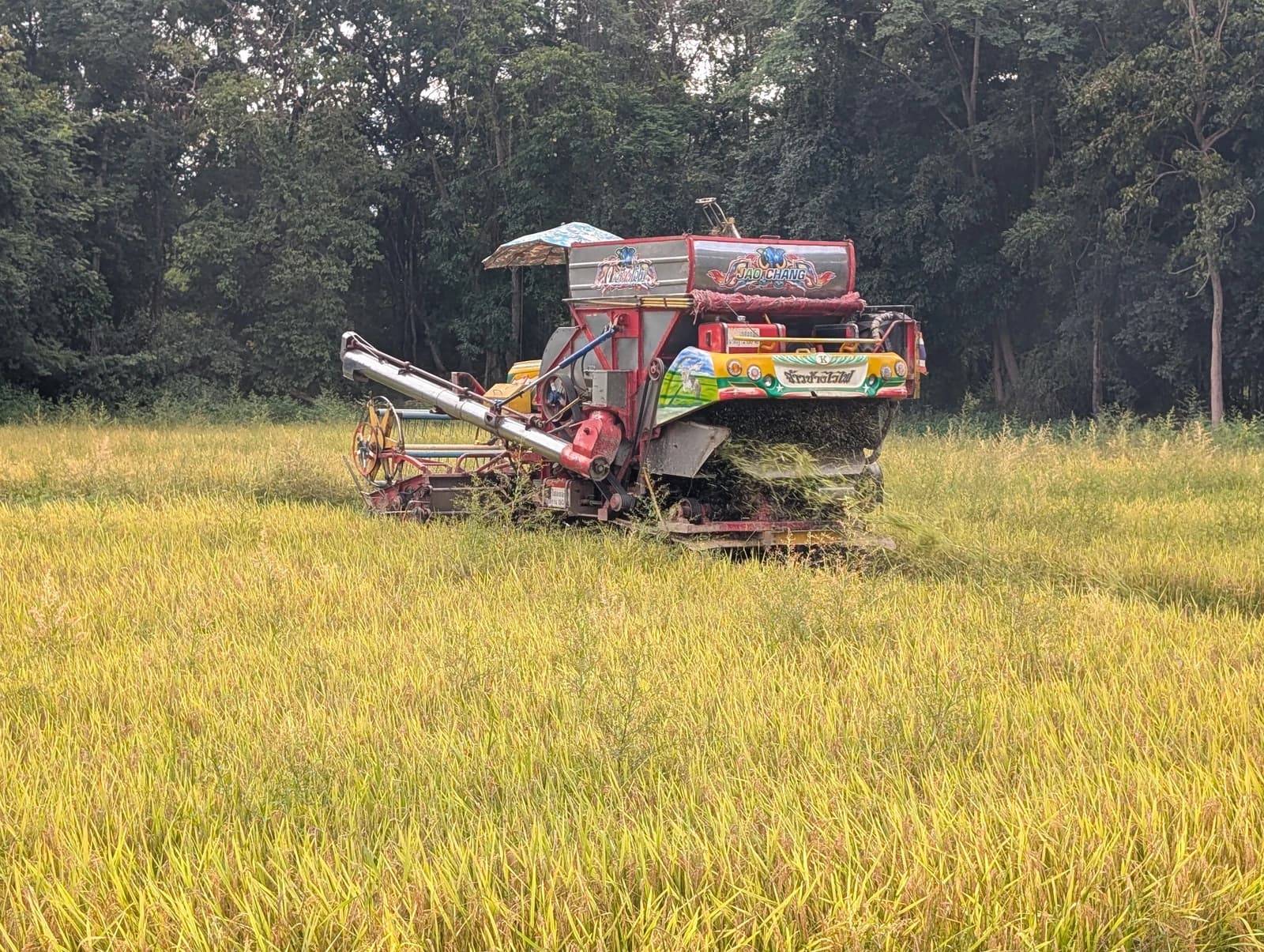
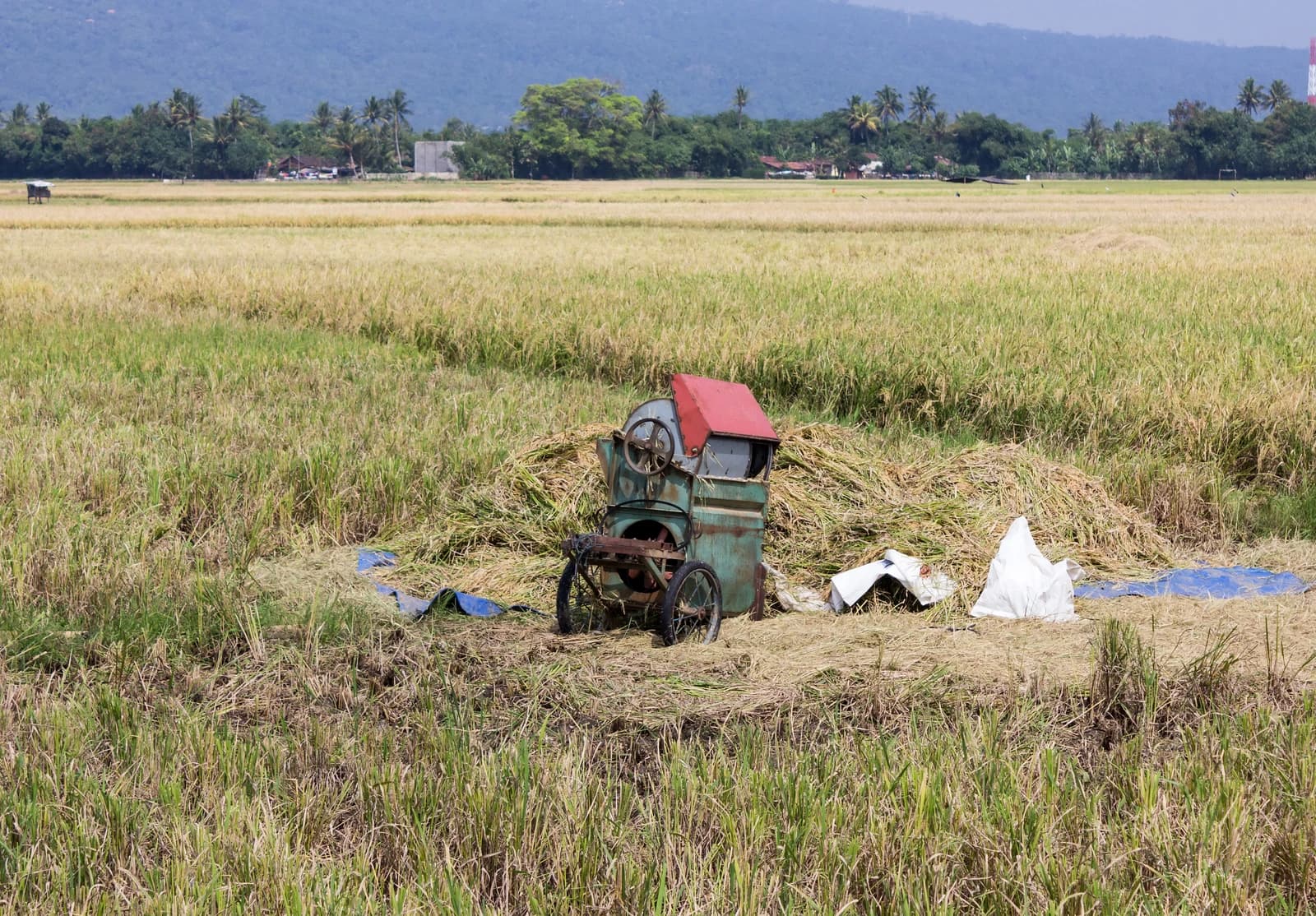
The immediate pressure is on margins. Harvesting fees have risen to about 800-900 baht per rai from 500-600 baht a year earlier, with some areas seeing charges as high as 1,000 baht per rai, driven largely by fuel costs. For many growers, that comes on top of production costs in the central plains of 6,500-7,000 baht per rai, while yields in several areas remain below 500 kilograms per rai. That leaves farmers absorbing more cost without a matching increase in output, making the crop far less profitable even before pricing weakens.
Sentiment Indicators
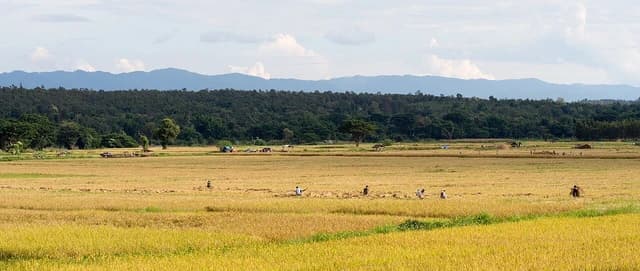
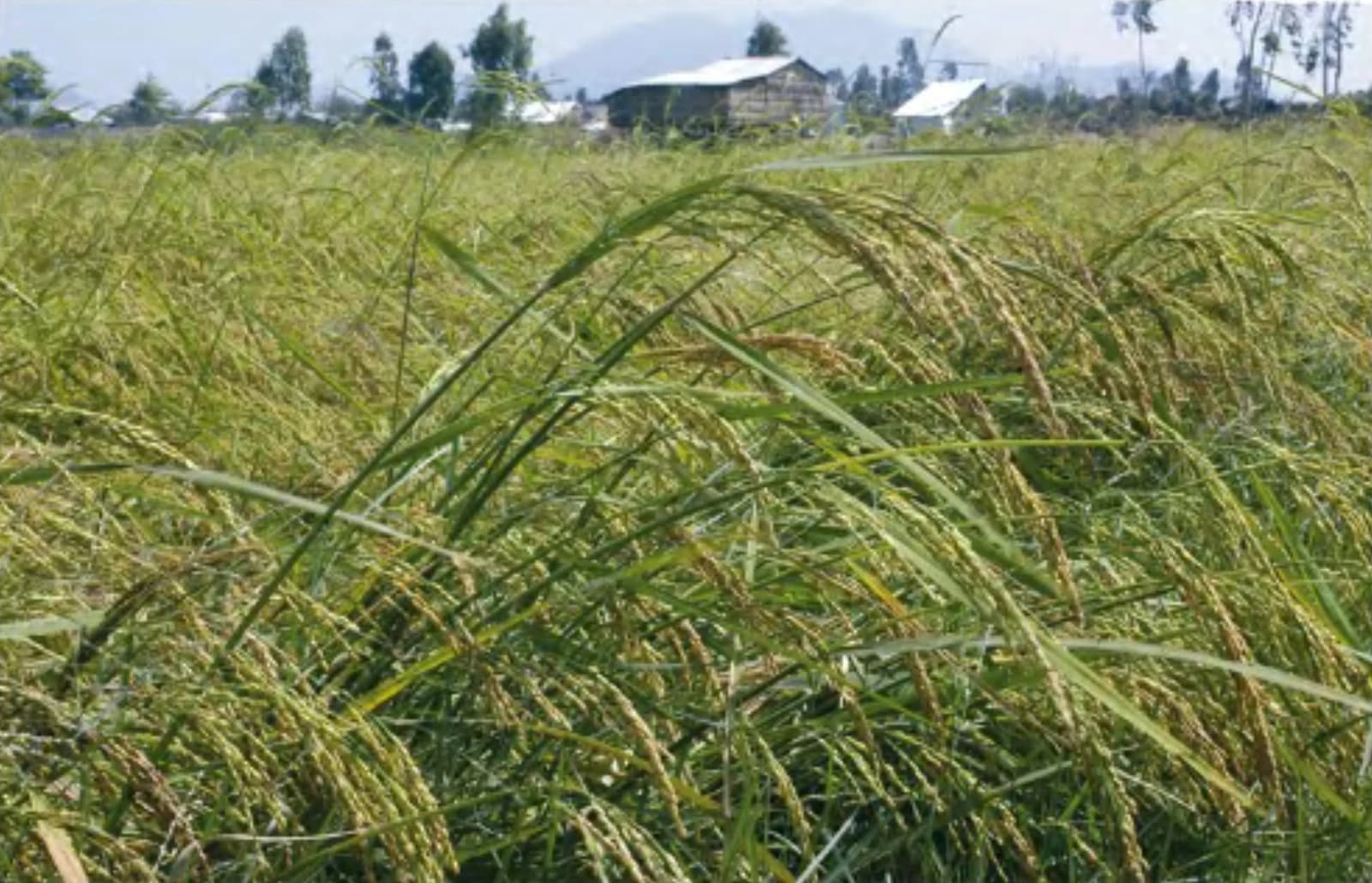
The bigger market concern is supply. The Thai Rice Farmers Association said output from the 2026/27 season is already starting to reach the market and could peak around the middle of November, when jasmine rice harvests in the northeast typically accelerate. If export channels cannot absorb the volume, local paddy prices could slide further. The association said fresh jasmine paddy is currently fetching around 13-15 baht per kilogram in the northeast, but warned that wet weather and higher moisture content could limit exportable supply and intensify domestic price pressure.
That matters because rice is a politically sensitive staple crop and a key source of income for rural households. A price drop during peak harvest would hit cash flow at the very point farmers need it most, while also encouraging more growers to switch acreage into sugar cane or cassava, a trend already visible in some provinces. That shift would reshape planting decisions beyond this season, especially if farmers conclude rice no longer justifies the input and machinery costs.
The problem is not a production collapse but an oversupplied market meeting weak pricing power. Farmers in several provinces reported better yields after timely rain and some adoption of technology, but that has not translated into better returns because fertilizer, chemicals and harvesting costs have all risen. In Surin, some fields of RD15 rice are yielding 700-800 kilograms per rai, yet growers still say the higher output is being offset by input inflation. In contrast, weeds and quality issues in some areas may further hurt milling returns and export competitiveness.
That leaves the government with a familiar but urgent trade-off: support prices and incomes now, or attack the cost structure that keeps recurring every season. The association is calling for faster work on irrigation, seed quality, lower fertilizer and chemical costs, and new overseas markets to absorb the crop. Without that, rice prices could remain under pressure even if Thailand’s harvest is not meaningfully smaller, because the real issue is not scarcity but the mismatch between high domestic production costs and a market facing a seasonal glut.
For investors, the story is less about a single crop and more about agricultural inflation, rural demand and export competitiveness. Lower farm incomes can weigh on consumption in the countryside, while a weak pricing environment underscores the strain on Thai agricultural exports versus regional rivals. The next catalyst is the pace of harvest arrivals through mid-November and whether exporters can clear sufficient volume before local prices reset lower.
| Entity | Gains | Losses |
|---|---|---|
| Rice buyers/exporters | ▲Lower procurement prices | ▼Less supply certainty |
| Thai farmers | ▲None | ▼Higher costs, weaker prices |
| Thai government | ▲Chance to intervene | ▼Rural income pressure |
| Competing crops such as sugar cane and cassava | ▲More planted area | ▼Rice acreage |