Thailand’s agricultural market is moving in opposite directions, with rice, corn and live hog prices firming even as soybean meal retreats, a split that is reshaping feed costs, farm incomes and livestock margins.
Thailand Rice, Corn, Hog Prices Rise as Soy Meal Falls

The biggest economic consequence is not the day-to-day price changes themselves, but the way they are reordering costs across Thailand’s food supply chain. Higher domestic corn prices lift feed bills for pig and poultry producers, while cheaper imported soybean meal should partially offset that pressure. For farmers, that means margins will depend less on one commodity and more on whether feed formulas can absorb the divergence without forcing higher retail meat prices.
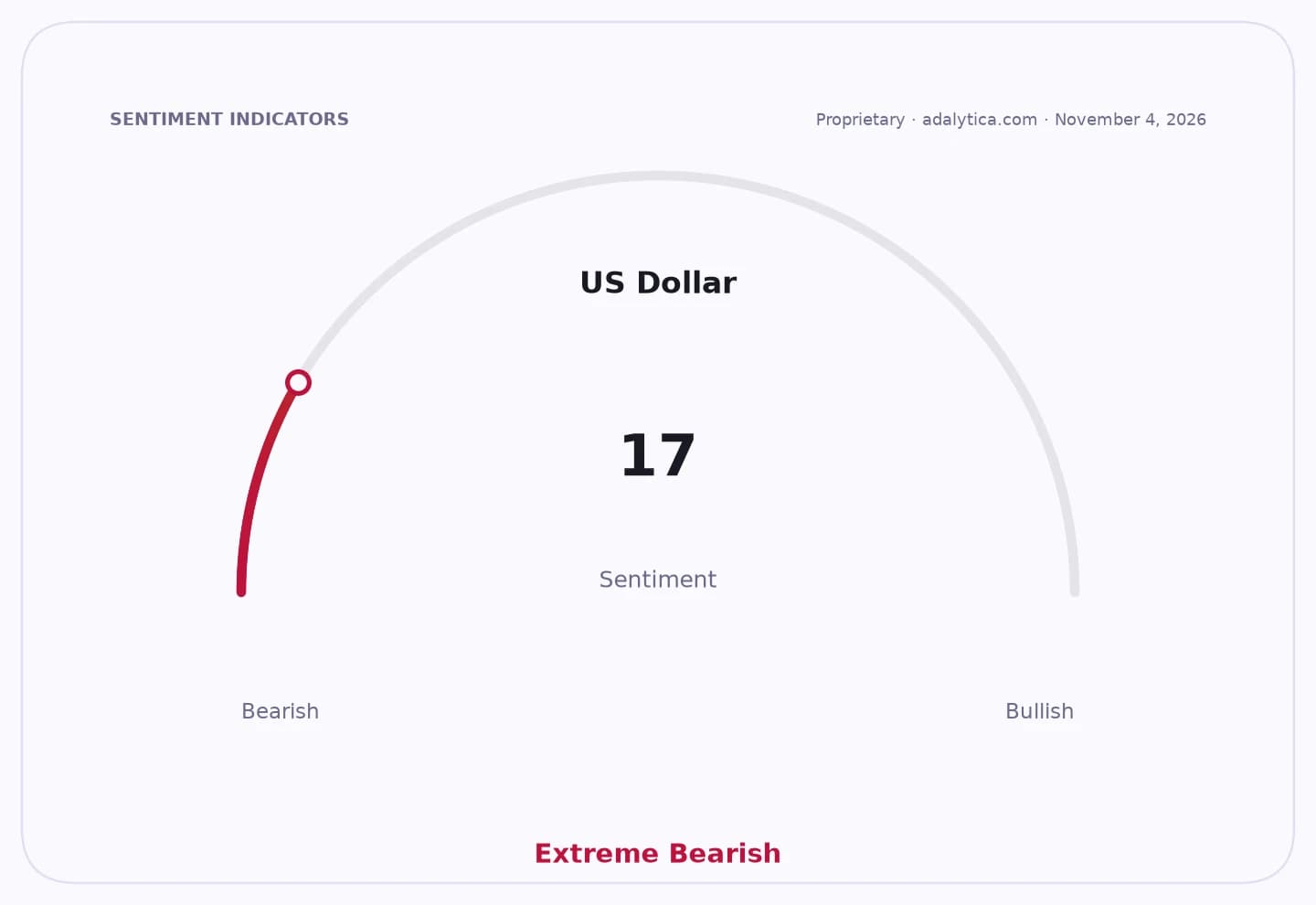
Sentiment Indicators
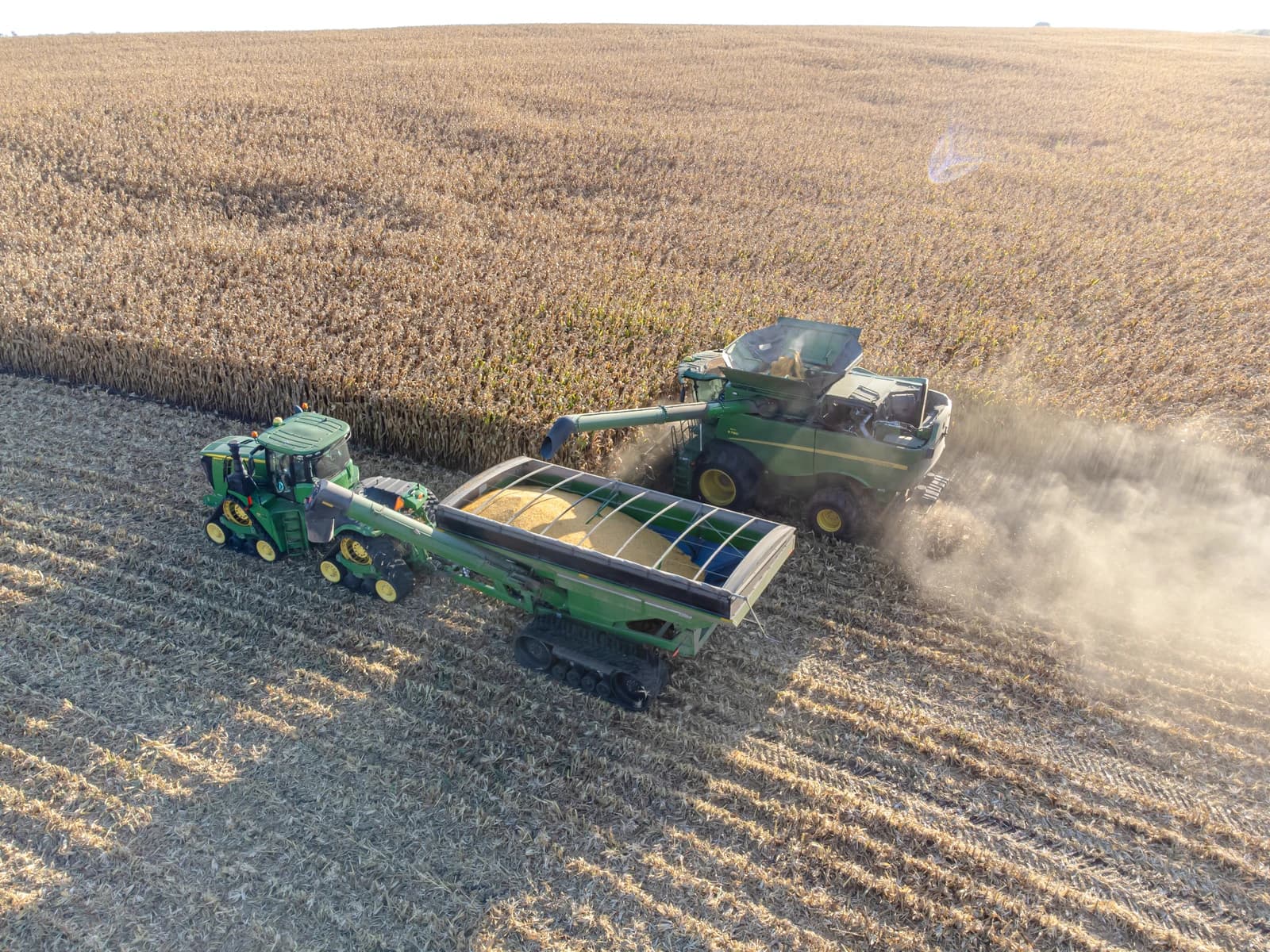
Feed corn in Thailand rose to 729 baht a silo unit from 693 baht, even as Chicago corn futures fell to their lowest since early July on expectations the U.S. Department of Agriculture may cut its harvest estimate only modestly, to 15.962 billion bushels. That still points to the second-largest U.S. crop on record, which helps explain why global grain prices are softening even as local Thai prices have edged higher.
Soybean meal moved the other way. Thai factory-gate prices for imported soybean meal slipped to 17.85 baht per kg from 18.35 baht, tracking CBOT soybean futures, which dropped 1.16% to $11.8825 a bushel, the weakest in two and a half months. The market is pricing in a potentially record U.S. soybean crop of 4.597 billion bushels, a backdrop that should keep imported meal under pressure and offer some relief to feed mills.
That split matters because corn and soybean meal are the two core ingredients in animal feed. Corn is being supported locally by Thai pricing dynamics, while soybean meal is being pulled lower by abundant U.S. supply. For livestock operators, especially pig producers, the result is a mixed margin picture: hog prices are rising, but the feed-cost relief is incomplete because corn remains expensive.
Live hog prices at the farm gate climbed across Thailand, helped by stronger consumption tied to Buddhist festivals, Kathin ceremonies and the Udon Thani World Horticultural Expo. West-region prices reached 68-70 baht per kg, while the east traded at 70-72 baht, with other regions up about 2 baht per kg. That should support near-term producer revenue and may encourage restocking, though it also raises the risk that higher feed costs eventually cap herd expansion.
Rice is also offering support to Thai agriculture. The Thai Rice Exporters Association said 100% Grade B white rice rose to 1,540 baht a sack from 1,520 baht, while export FOB prices at Bangkok port for the same grade climbed to $505 a tonne from $498. The move suggests Thai rice is benefiting from steadier demand, and could help exporters after a period of volatile global grain markets.
The broader picture is one of a sector being pulled by global commodity oversupply on one side and local demand strength on the other. The U.S. harvest outlook is pushing down soybean meal and keeping world feed ingredients softer, while domestic Thai corn prices remain elevated and rice and hogs are firming. That combination is good for some farm revenues, but not uniformly good for margins.
For investors, the key question is who can pass through costs. Feed mills and livestock producers with pricing power may hold up better, while highly leveraged operators and firms exposed to corn-heavy formulas could see margin pressure if Thai corn stays firm. Traders should also watch whether the current hog price strength proves seasonal or extends into year-end, and whether imported soybean meal stays weak enough to offset domestic feed inflation.
| Entity | Gains | Losses |
|---|---|---|
| Thai rice exporters | ▲Higher export prices | ▼Buyers facing firmer import costs |
| Hog farmers | ▲Stronger farm-gate prices | ▼Higher feed expenses |
| Feed mills | ▲Cheaper soybean meal | ▼Expensive domestic corn |
| Livestock consumers | ▲Stable supply in near term | ▼Higher meat prices if costs pass through |