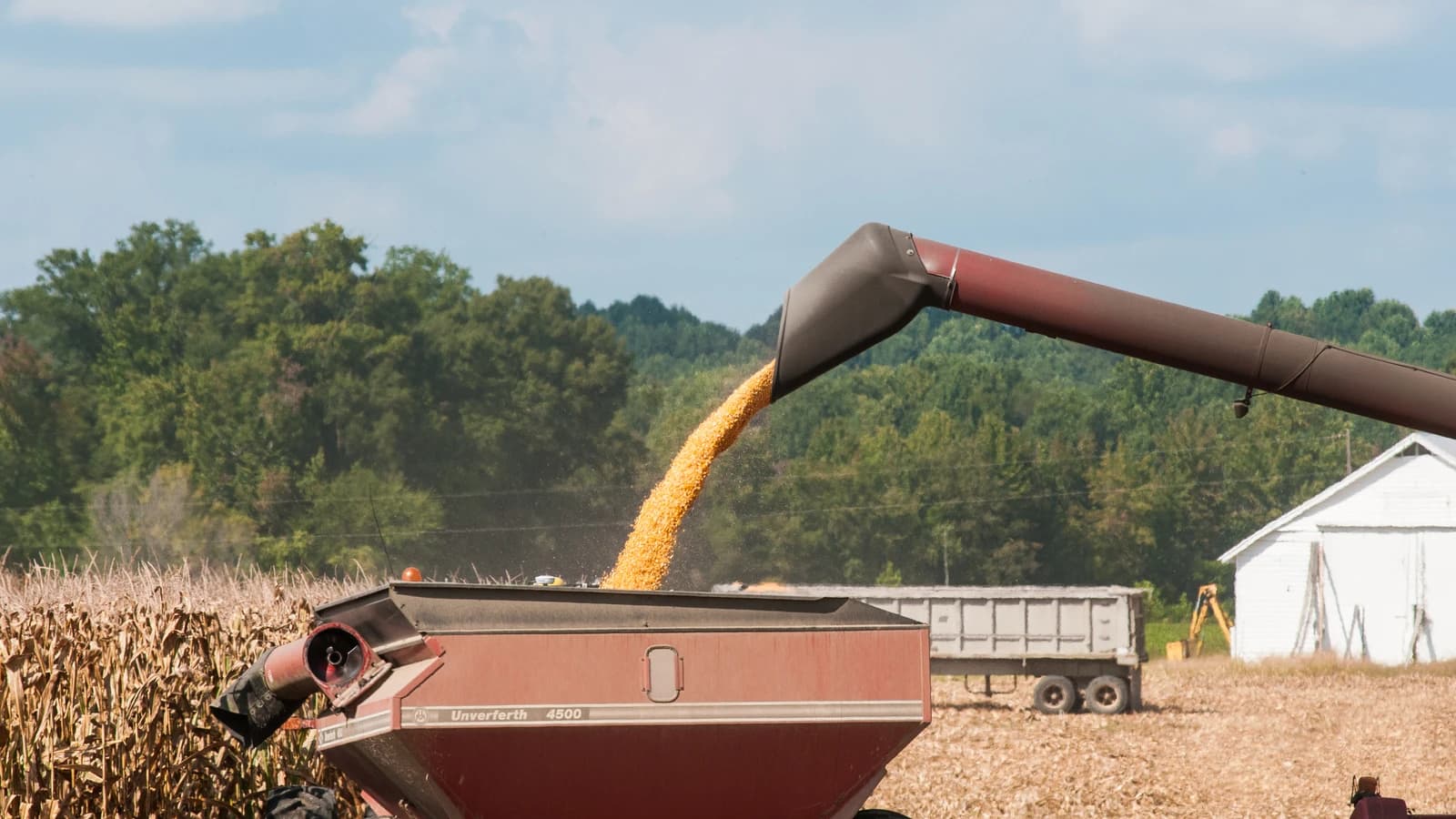
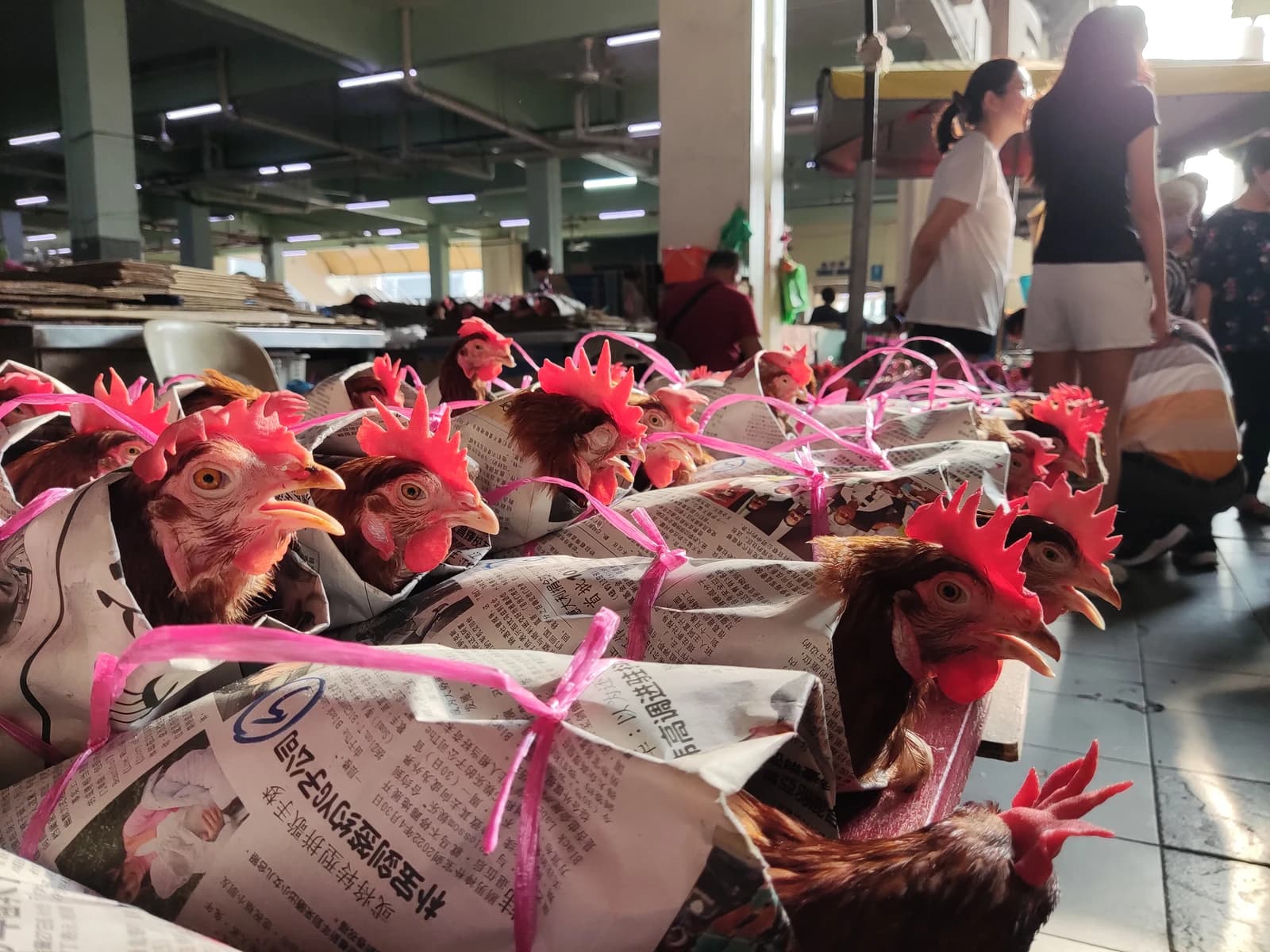
Feed costs in Egypt eased on Saturday as prices for yellow corn, soymeal and bran fell from the previous day, offering some relief to poultry and livestock producers after months of elevated input costs.
Egypt feed prices fall on corn and soymeal drop
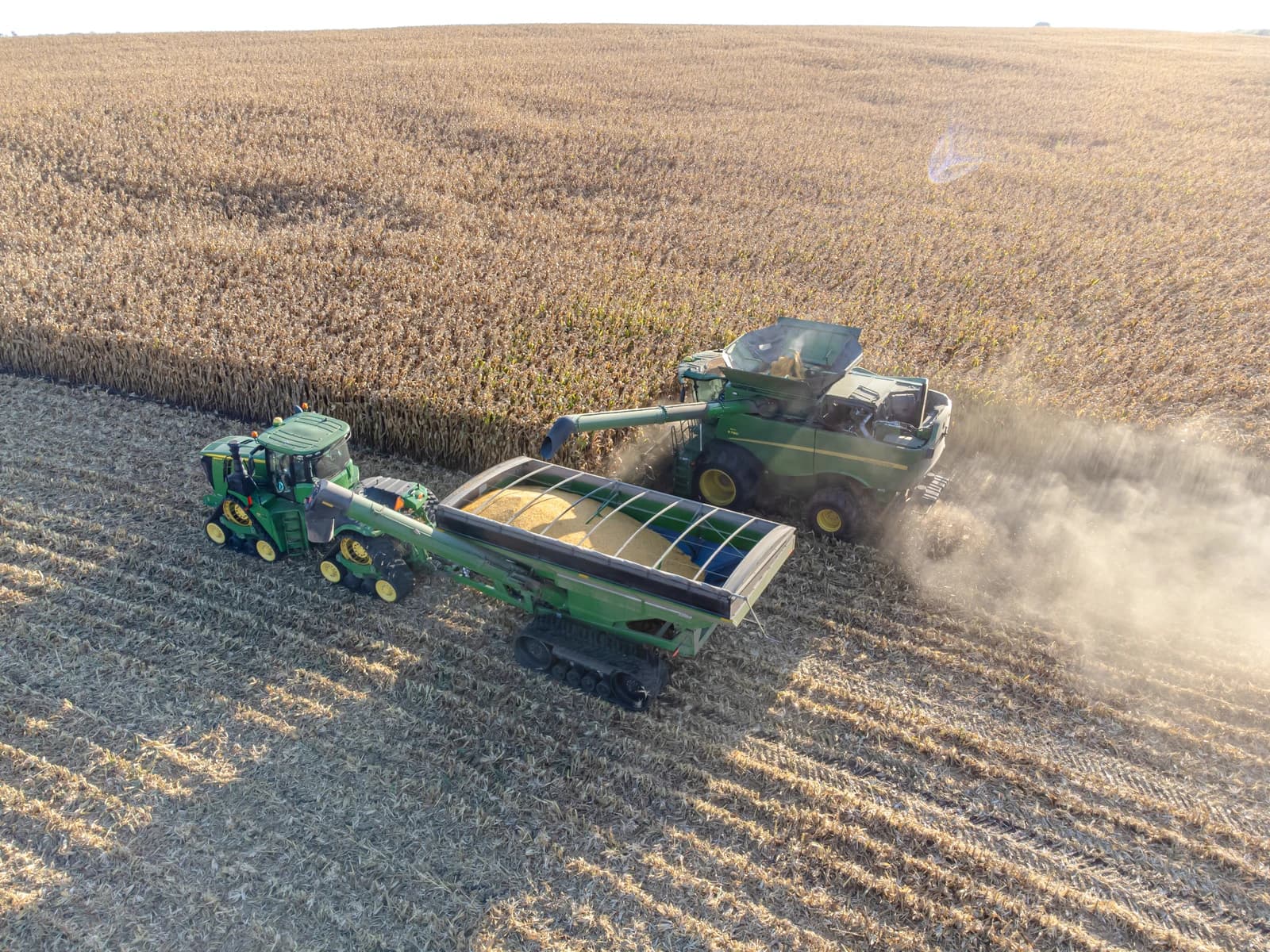
The most important development is the drop in key imported feed ingredients, which directly affects the cost of producing poultry, meat and eggs in a market where feed is the largest single expense for many farms. Lower raw-material prices can improve margins for producers, reduce pressure on retail protein prices and slow the pass-through of commodity volatility into food inflation.
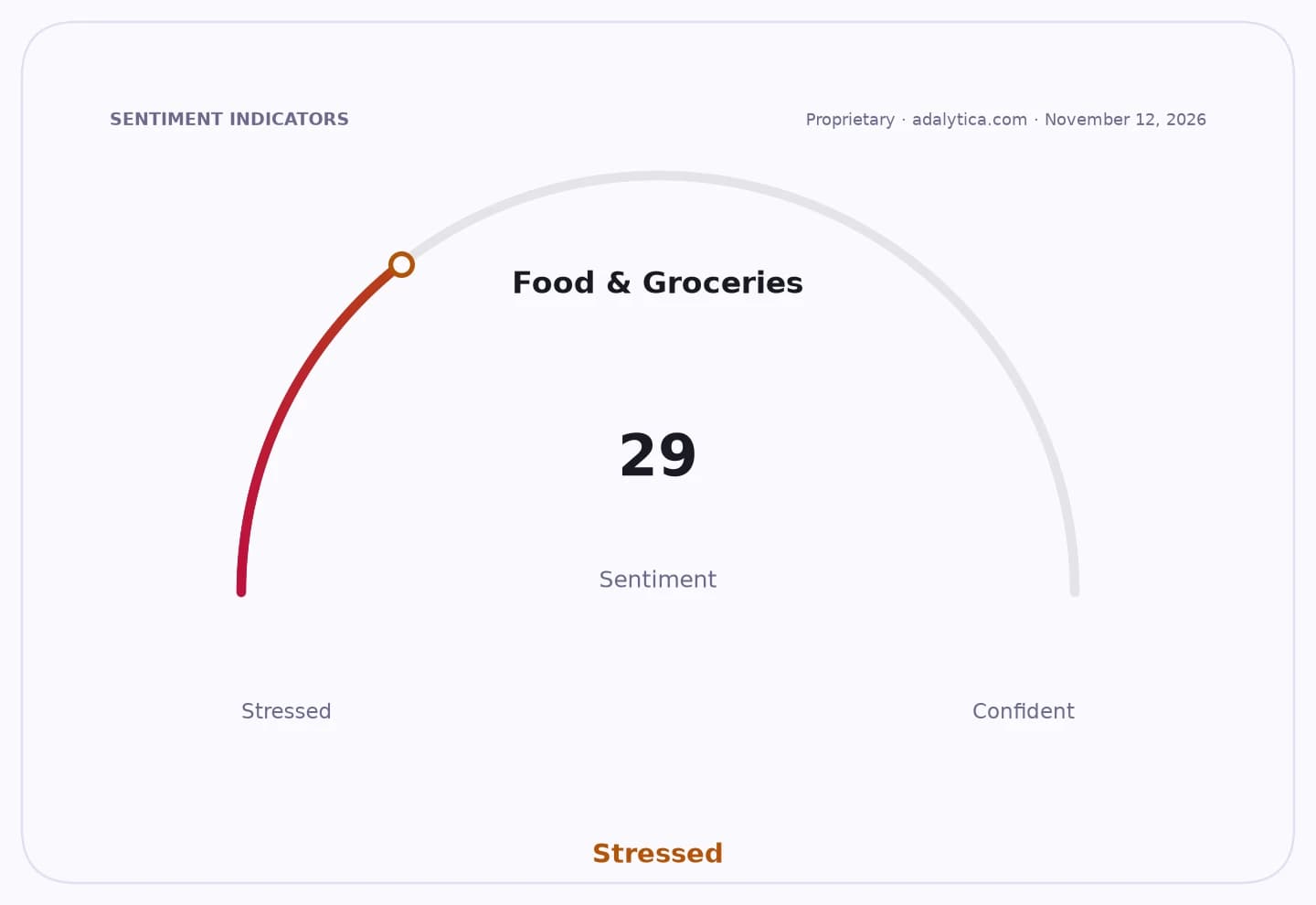
Sentiment Indicators

According to local market quotes, Argentine and Brazilian yellow corn fell to 14,500 Egyptian pounds a ton from 15,200 pounds, while Ukrainian corn slipped to 14,000 pounds from 14,700 pounds. Corn flakes dropped to 16,000 pounds from 16,700 pounds. Soymeal with 44% protein fell to 25,500 pounds a ton from 26,400 pounds, while the 46% protein grade declined to 26,500 pounds from 27,400 pounds. Bran eased to 13,700 pounds a ton from 14,700 pounds.
The declines are meaningful because corn and soymeal are the backbone of feed rations. Even modest moves in these inputs can materially change feed mill pricing and farm economics, especially in a market that relies heavily on imported grain and oilseed meal. The broader feed market remained mixed, however, with poultry starter feed quoted at 23,000 to 26,500 pounds a ton and layer feed at 19,500 to 21,500 pounds, showing that finished feed prices are still being shaped by differences in formulation, quality, transport and factory pricing.
Market participants said feed prices continue to track global grain and protein markets, freight costs, the dollar exchange rate and the pace of local supply releases. That makes the latest declines more than a one-day adjustment: they reflect a still-fragile cost structure in which imported ingredients remain the key variable for producers. The fact that local feed quotations vary widely by company and specification also suggests competition among mills is helping transmit some of the weaker input costs into end-product prices.
For investors and agribusiness operators, the move matters because it may ease near-term pressure on poultry integrators, feed mills and livestock farms, while potentially reducing the need for defensive inventory buying. But the benefit could prove temporary if currency pressure, shipping costs or import disruptions reverse the trend. The risk case is that a rebound in corn or soymeal would quickly restore margin stress across the protein chain.
In the near term, traders will watch whether the decline spreads into broader feed categories and whether local mills pass through lower costs to farmers. If sustained, the softer ingredient prices could support poultry production volumes and temper inflation in animal protein. If not, Egypt’s feed market will remain exposed to the same external shocks that have made pricing volatile all year.
| Entity | Gains | Losses |
|---|---|---|
| Poultry and livestock producers | ▲Lower input costs | ▼Less pricing pressure relief if rebound comes |
| Feed mills | ▲Easier procurement costs | ▼Smaller margins if competition intensifies |
| Consumers of meat and eggs | ▲Potentially steadier food prices | ▼Benefit fades if feed costs rise again |
| Grain exporters and sellers | ▲— | ▼Softer near-term pricing power |