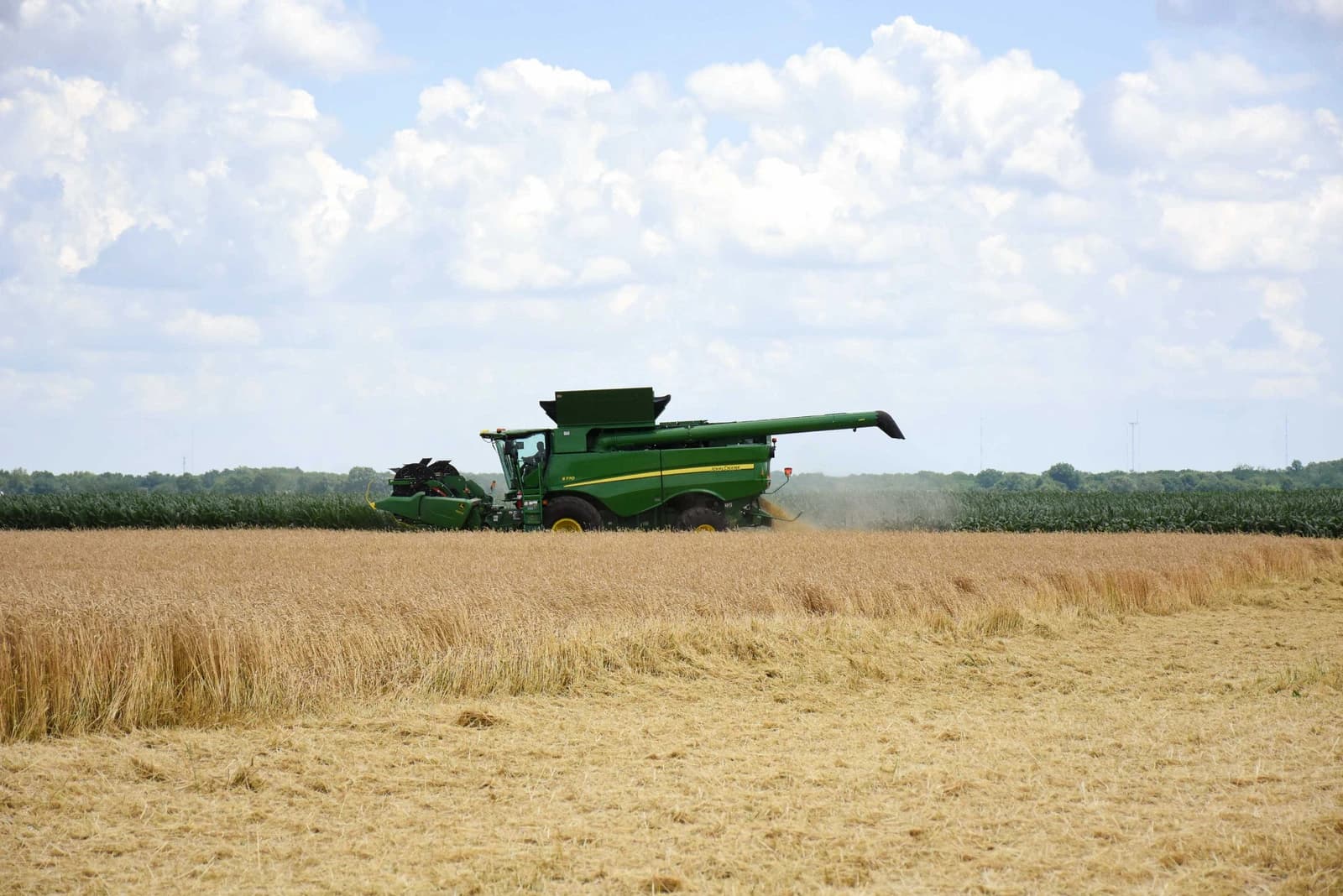
Wheat dominated trading on Serbia’s Produktna berza last week, accounting for 75% of total turnover as buyers found more supply than sellers were willing to offer, pushing prices lower and tightening liquidity in the country’s grain market.
Serbia wheat prices fall as turnover rises
Food & Groceries
The exchange’s weekly report shows demand for milling wheat consistently lagged available supply between Nov. 2 and Nov. 6, with trade concentrated in lower-protein grain. The weighted average price fell to 21.64 dinars per kilogram excluding VAT, down 3.02% from the previous week, while higher-quality wheat with 14% protein changed hands at 23.00 dinars.
Sentiment Indicators
That slide matters beyond Serbia’s domestic market. Wheat is a staple input for flour mills, food processors and livestock users across the Balkans, so weaker prices can improve near-term procurement costs for buyers but squeeze farmers and traders holding inventory. It also signals that the market is still struggling to clear higher-quality wheat, even as buyers show interest in specific grades.
Corn was less active, with demand fading through the week and trading effectively stalled as buyers and sellers remained far apart on price. Buyers focused on corn without aflatoxin testing at 20.50 to 21.20 dinars per kilogram, while offers ranged from 20.80 to 22.00 dinars depending on quality and delivery terms.
Soybeans were the other standout crop, with steady buying interest and limited supply supporting a 1.29% weekly price increase to 63.00 dinars per kilogram. Feed barley traded at 20.00 to 20.20 dinars, but weaker buying and a widening bid-offer gap kept volumes limited.
For investors in grain, agri-processing and food businesses, the message is that local cereal markets remain highly grade-sensitive and price dispersion is widening. With wheat demand leading the exchange but prices still falling, the next catalyst will be whether supply tightness in higher-protein grades or broader export demand can stabilize Serbian grain prices in the weeks ahead.
| Entity | Gains | Losses |
|---|---|---|
| Wheat buyers | ▲Lower procurement costs | ▼Farmers and merchants with stock |
| Serbian mills and food processors | ▲Cheaper grain inputs | ▼Limited access to premium protein grades |
| Soybean sellers | ▲Firmer pricing | ▼Buyers facing tighter supply |
| Corn sellers | ▲None | ▼Slower demand and wider bid-ask spreads |