Wheat stored in Qalat al-Madiq silos in Syria’s Hama province has been found free of insect infestation and fit for human consumption, a small but economically meaningful sign that one of the region’s larger grain facilities is functioning normally again after years of damage and disruption.
Syria Qalat al-Madiq silos pass wheat inspection
The finding matters because grain storage is a bottleneck in food security as much as grain production is. In a country still rebuilding logistics after conflict, the ability to inspect, disinfect and preserve wheat stocks reduces spoilage losses and lowers the risk that scarce domestic supply will be diverted, downgraded or condemned. That makes the Qalat al-Madiq silos more than a warehouse: they are part of the supply chain that determines how much wheat actually reaches mills, bakeries and consumers.
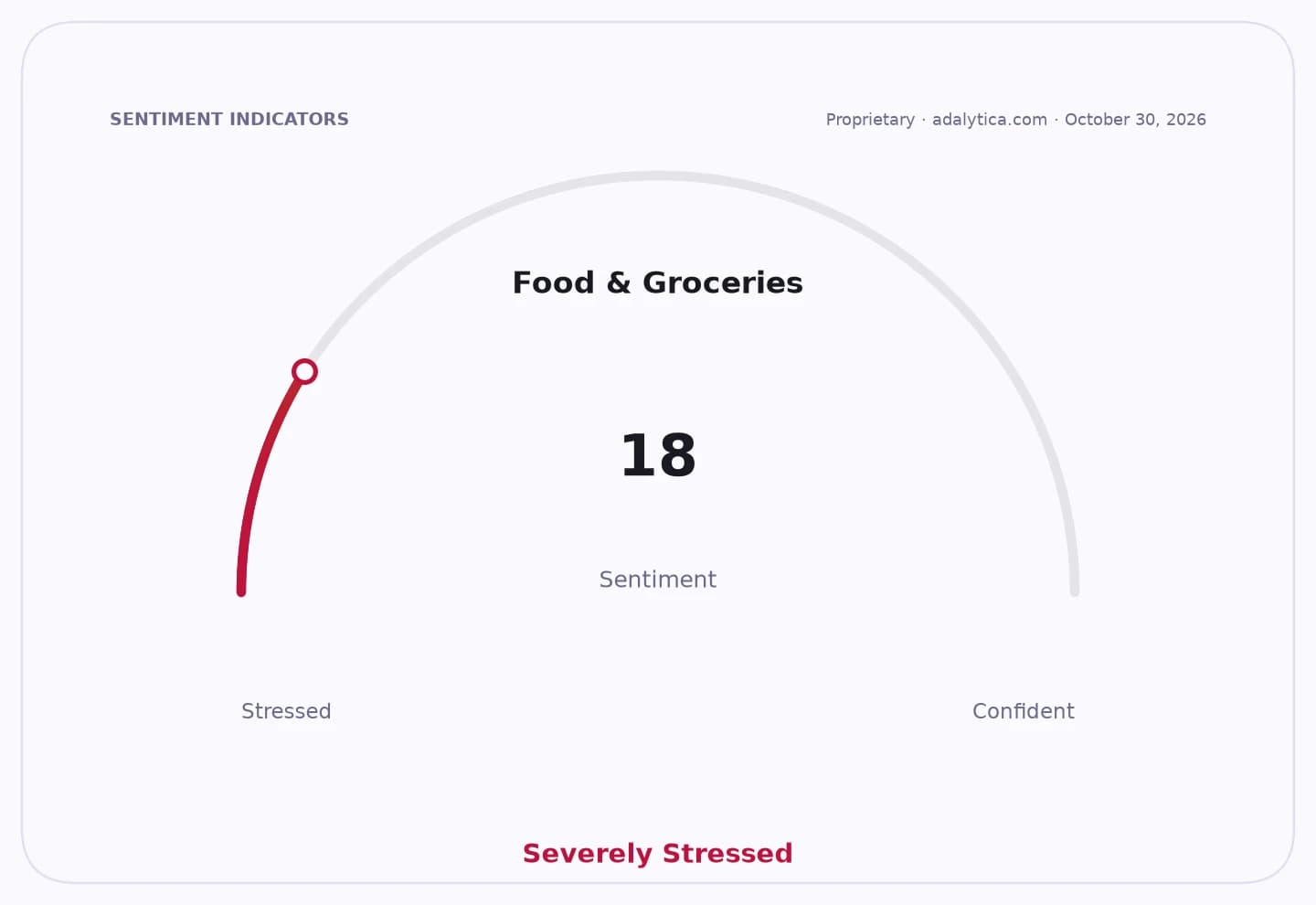
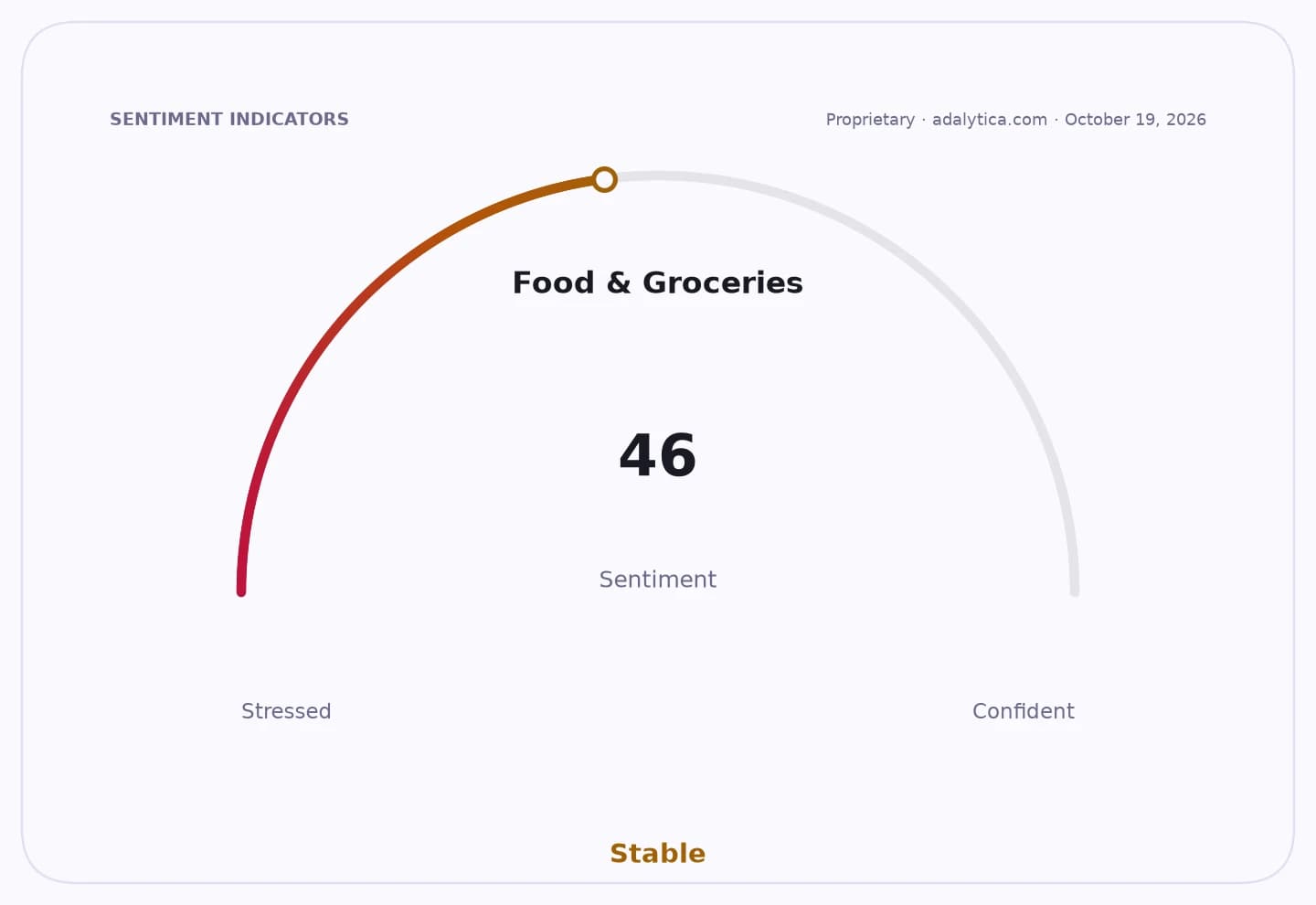
Sentiment Indicators
The Hama branch of the Syrian Grain Corporation said the conclusion was based on routine insect inspections and laboratory checks carried out with local authorities and plant-protection specialists. It said samples taken from both the top and bottom of storage cells showed no pest infestation, and that monitoring, inspection and periodic fumigation will continue. A consumer-protection official in the Ghab area separately said the wheat was sound and suitable for consumption.
Qalat al-Madiq is among Hama province’s largest grain silos. It was knocked out of service in 2015 after shelling, sabotage and looting, before returning to operation in June. That reopening is strategically important for a country where wheat remains politically sensitive and where storage and procurement capacity can be as consequential as the harvest itself. Even when production is adequate, losses in storage can tighten supply, lift replacement costs and pressure already stretched public finances.
For investors tracking agricultural commodities, the immediate market impact is limited, but the broader message is that localised storage disruptions in the Levant are not just humanitarian headlines; they can affect regional grain flows, import needs and demand for imported wheat if domestic stocks deteriorate. That sits against a global wheat market still waiting on fresh USDA direction and reacting to shifting production prospects in major exporters, including Ukraine.
The clean bill of health at Qalat al-Madiq is therefore best read as a supply-chain stabiliser rather than a market-moving shock. But in a market where weather, war and logistics all matter, the reliability of storage assets can be just as important as the headline crop estimate.
| Entity | Gains | Losses |
|---|---|---|
| Syrian Grain Corporation | ▲Confidence in stock quality | ▼Scrutiny over storage management |
| Syrian consumers | ▲Better food safety | ▼Less risk of spoilage-related shortages |
| Local mills and bakeries | ▲More reliable wheat supply | ▼Potential disruption if storage failed |
| Wheat importers | ▲Less immediate replacement demand | ▼Weaker urgency for emergency imports |