Syria’s yellow corn harvest is surging, but the bigger economic story is that post-harvest drying is now the main constraint on whether the crop can actually be turned into feed, storage inventory and farm income.
Syria corn harvest hits drying bottleneck

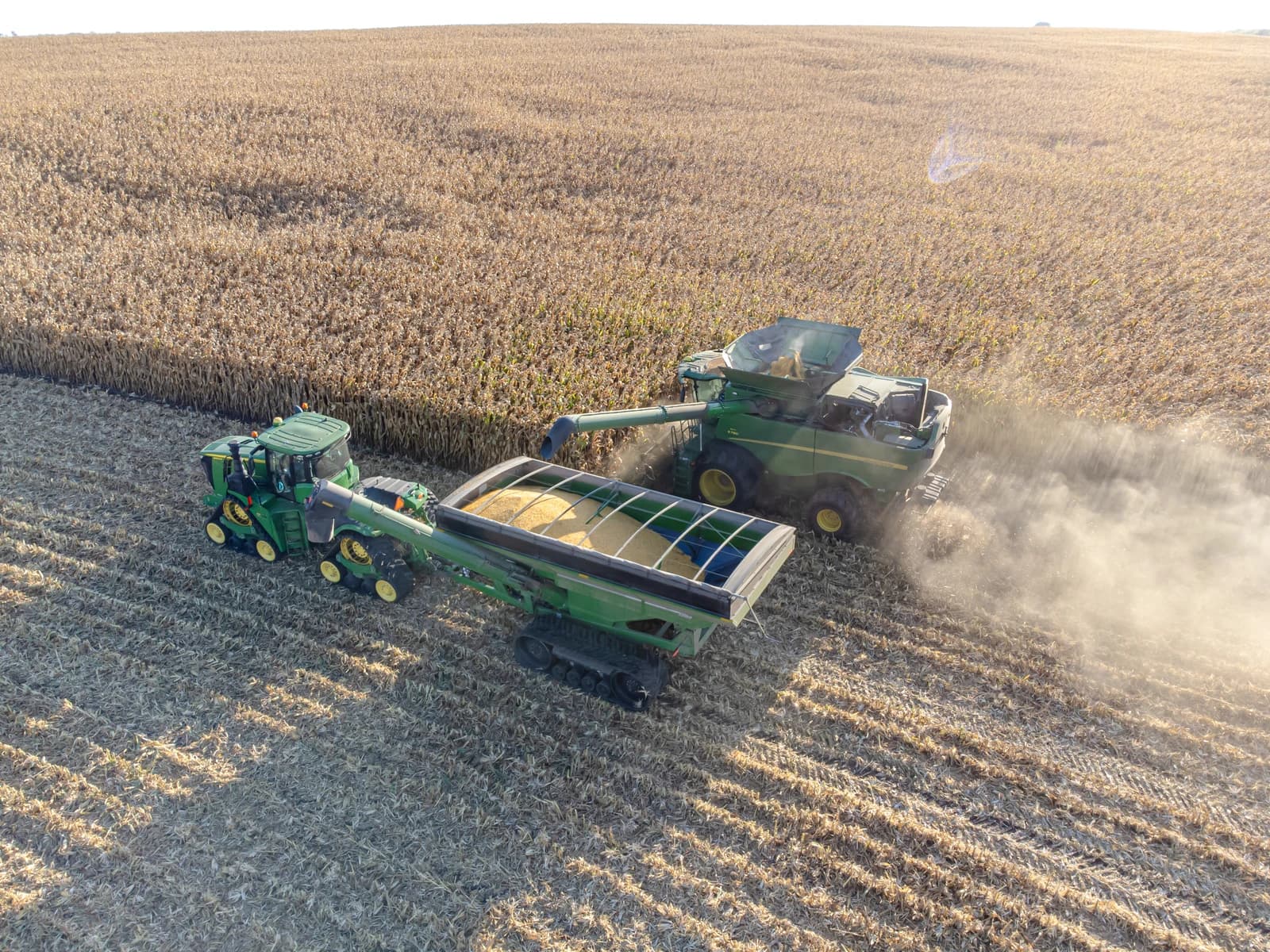
Production rose 42% this year to 475,232 tonnes on 84,381 hectares, according to the agriculture ministry, yet farmers and officials say the lack of drying capacity is preventing the crop from moving smoothly into the feed chain. That makes the harvest less a production story than a logistics and margin story: without reliable drying, a larger crop can still end up discounted, spoiled or stranded in fields and yards.
Sentiment Indicators
The problem matters because Syria is trying to cut its dependence on imported feed inputs at a time when foreign exchange remains tight and food and livestock producers are under pressure. Officials said local production covers about 50% of domestic needs, while the planned area for next season has been set at 97,000 hectares, implying output of 551,000 tonnes if yields hold. The ministry also wants average yields lifted to 7 tonnes per hectare from roughly 6 tonnes now, but that target is tied not just to seed quality and irrigation, but to whether harvested grain can be handled after it leaves the field.
Raqa remains the largest producing province, accounting for 35% of output, followed by Aleppo at 27% and Hasakah at 13%. Those regions are also where the drying bottleneck is most visible. In Raqa, farmers have had to spread corn on roads and public squares to dry it, prompting an October 11 directive banning drying on roads inside cities, towns and villages for traffic-safety reasons. Private drying and transport costs can exceed $30 a tonne in some cases, a significant hit in a market where margins are already squeezed by higher input and fuel costs.
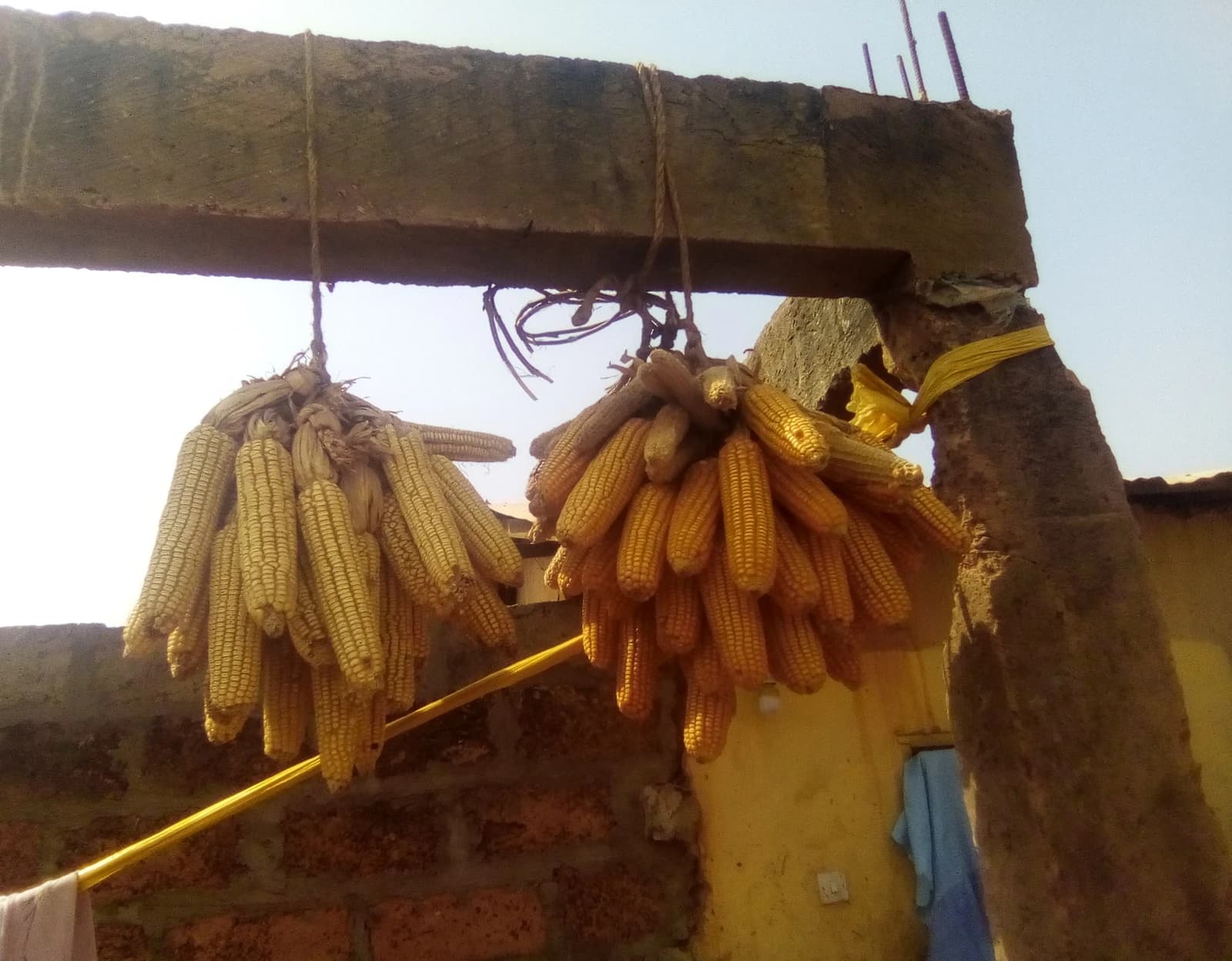
That cost structure helps explain why the issue is economically larger than a seasonal inconvenience. Yellow corn is only viable for storage if moisture is cut to 13% to 14%; otherwise the crop risks mold, quality loss and fungal toxins that can make it unsuitable even for feed use. In other words, the drying gap is the difference between a marketable commodity and a vulnerable perishable.
Officials have started to add capacity. One line at the Tel Salhab sugar plant has been modified to dry corn, with capacity of up to 1,000 tonnes a day, and a second line is also being adapted. Elsewhere, the country has a patchwork of private dryers in Aleppo, Hama, Raqa and Deir al-Zor, but the distribution remains uneven and much of the capacity is far from the main production zones. That geographic mismatch raises transport costs and limits the amount of crop that can be absorbed quickly enough to protect quality.
For investors and agribusiness observers, the key point is that Syria’s corn upside is constrained by infrastructure rather than agronomy alone. Better hybrid seed, irrigation and fertiliser use could lift yields, but without more dryers, storage and organized marketing, the sector cannot reliably scale. That caps the pace at which local feed mills can substitute domestic grain for imports and leaves farmers exposed to price volatility, spoilage and lower farm-gate returns.
The bull case is that even modest investment in drying, storage and contracting could unlock a meaningful share of the country’s feed demand and make corn a more dependable cash crop. The bear case is that rising production simply overwhelms a weak post-harvest system, forcing farmers to cut planted area or stick to subsistence-level output.
What happens next will depend on whether the state and private operators can expand drying capacity fast enough, and whether growers are offered pre-harvest contracts, better seed and cheaper inputs. If that does not happen, Syria’s corn boom risks remaining a headline about output rather than a durable gain in food and feed security.
| Entity | Gains | Losses |
|---|---|---|
| Syrian corn farmers | ▲Higher output potential | ▼Drying costs and spoilage risk |
| Feed mills and livestock sector | ▲More local supply | ▼Uneven quality and delayed deliveries |
| Importers of feed inputs | ▲Lower demand in best case | ▼Local substitution pressure |
| Dryer owners and operators | ▲Higher utilization | ▼Capacity bottlenecks elsewhere |