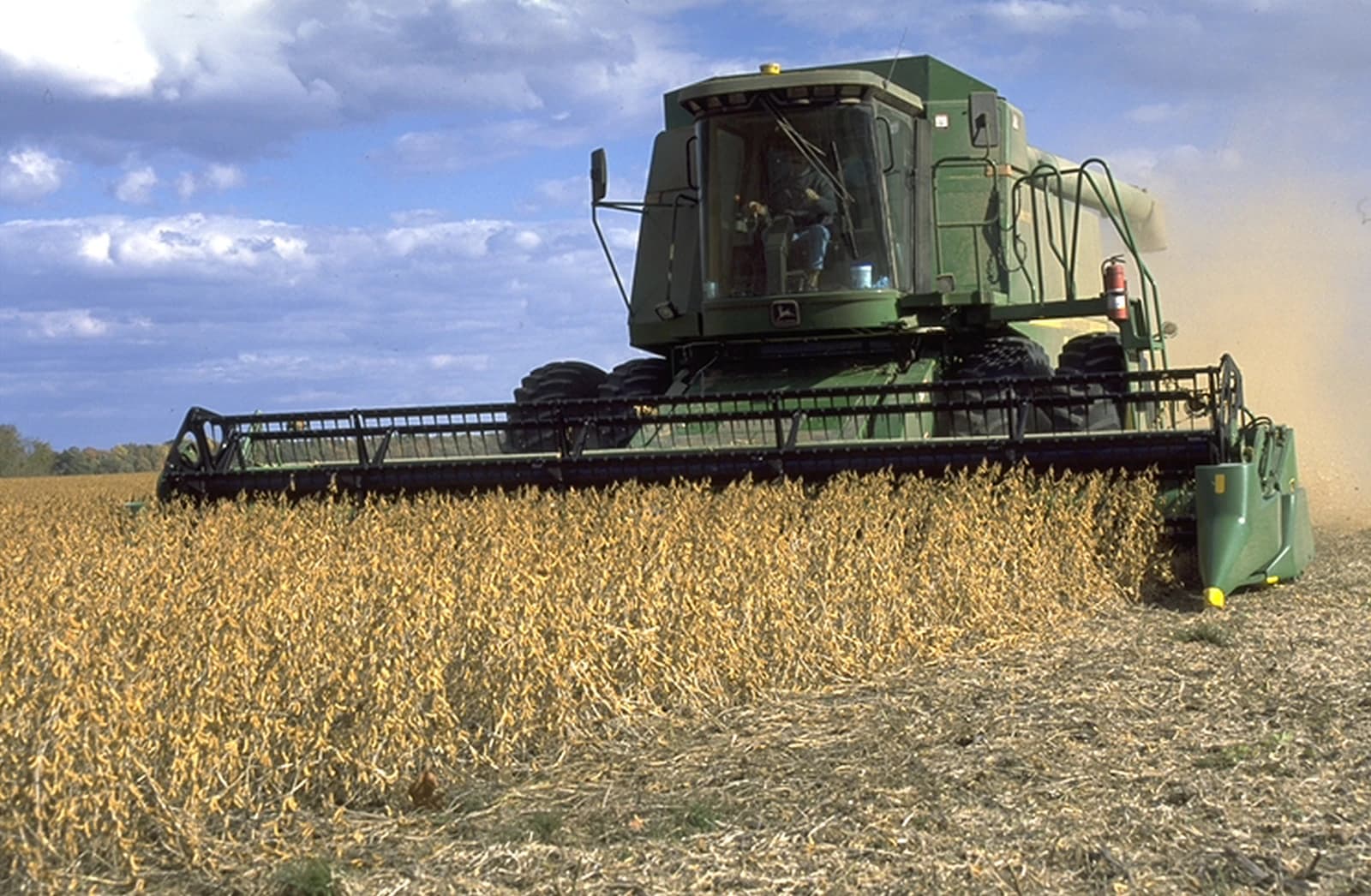
U.S. farmers have harvested 74% of the corn crop, with the first state now finished, a pace that underscores a steadily advancing harvest and adds near-term pressure to corn futures even as it improves supply certainty for processors, feeders and exporters.
Corn harvest reaches 74% across U.S. farms
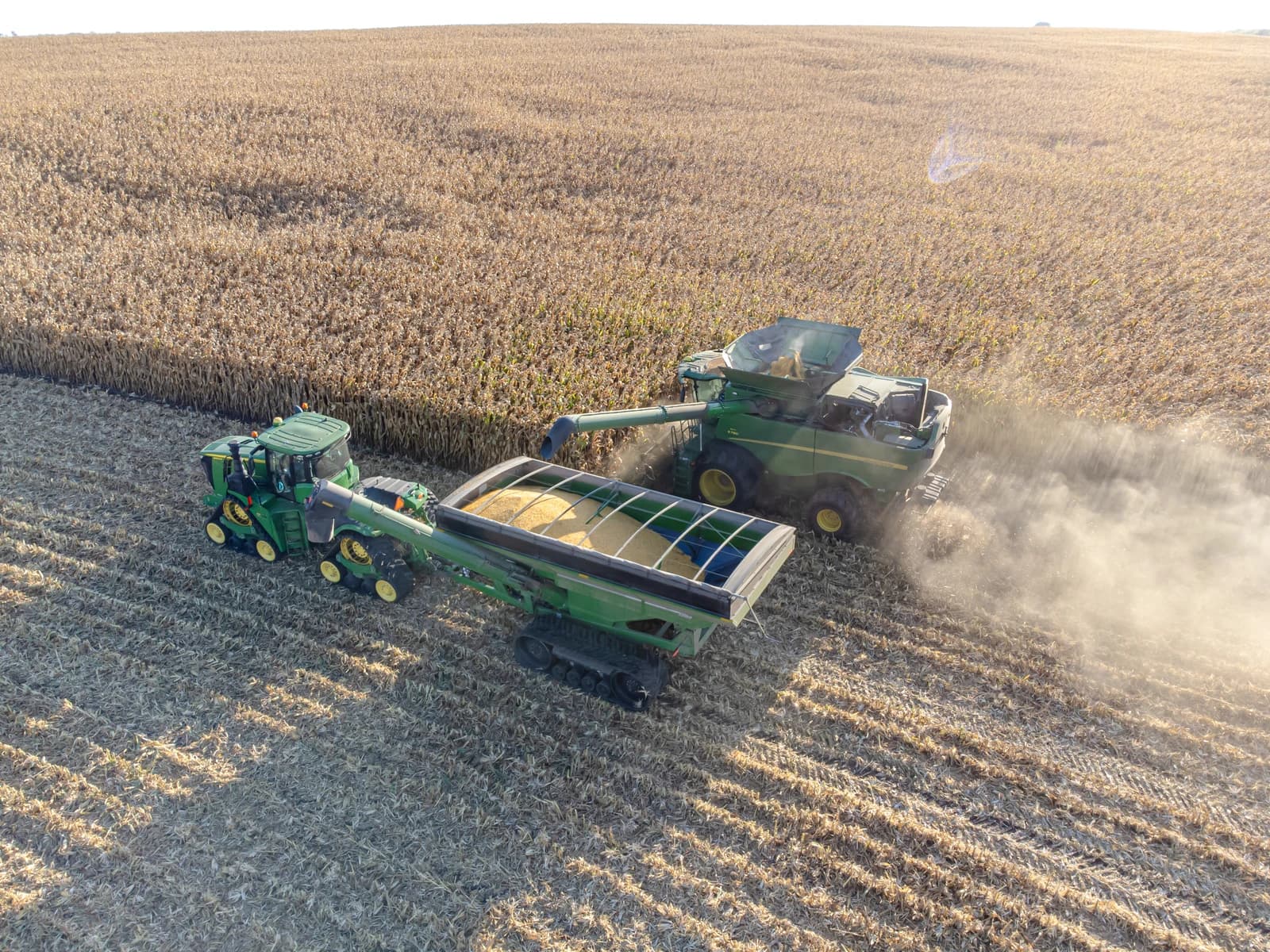
The update matters because grain markets are increasingly being driven by the size and timing of the incoming crop rather than weather risk alone. A faster harvest typically boosts hedge selling and can weigh on nearby prices, while also reducing the risk of weather-related quality losses and lifting confidence that physical supply will reach elevators, ethanol plants and export channels on schedule.
Sentiment Indicators
That supply backdrop comes as conventional technical indicators on the CORN ETF show heavy downside momentum. The fund closed at $17.19 on Nov. 3, below its 50-day moving average of $19.05 and the 200-day moving average of $18.18, while RSI readings around 10 suggest the contract is deeply oversold after a sharp slide from $20.27 on Sept. 21. MACD remains negative, reinforcing the bearish short-term trend.
The move is also landing against a broader inflation backdrop where farm commodities still matter for food and feed costs. U.S. producer prices for all commodities remain elevated at 295.708 in September, while consumer prices at 336.298 point to persistent food-cost pressure even as harvest progress increases the odds of better grain availability into late fall and early winter.
For investors, the main takeaway is that corn remains a weather-and-flow market: abundant harvest progress can keep pressure on prices in the near term, but any delay in combining, export demand surprise or shift in South American planting conditions could quickly tighten the balance sheet again. Adalytica’s Corn Fear & Greed Index sits at 16, in “Fear,” showing sentiment remains fragile despite a one-day rebound.
The first finished state also highlights how quickly local conditions can translate into national pricing, especially when farmers accelerate sales into a falling market. The next catalyst is the pace of weekly harvest progress and whether export demand or ethanol margins can absorb the crop without extending the slide in corn prices.
| Entity | Gains | Losses |
|---|---|---|
| Livestock feeders | ▲Cheaper feed costs | ▼None |
| Ethanol producers | ▲Better corn availability | ▼Higher hedging costs |
| Corn buyers | ▲More supply certainty | ▼No immediate downside |
| Corn farmers | ▲Faster crop clearance | ▼Lower cash prices |