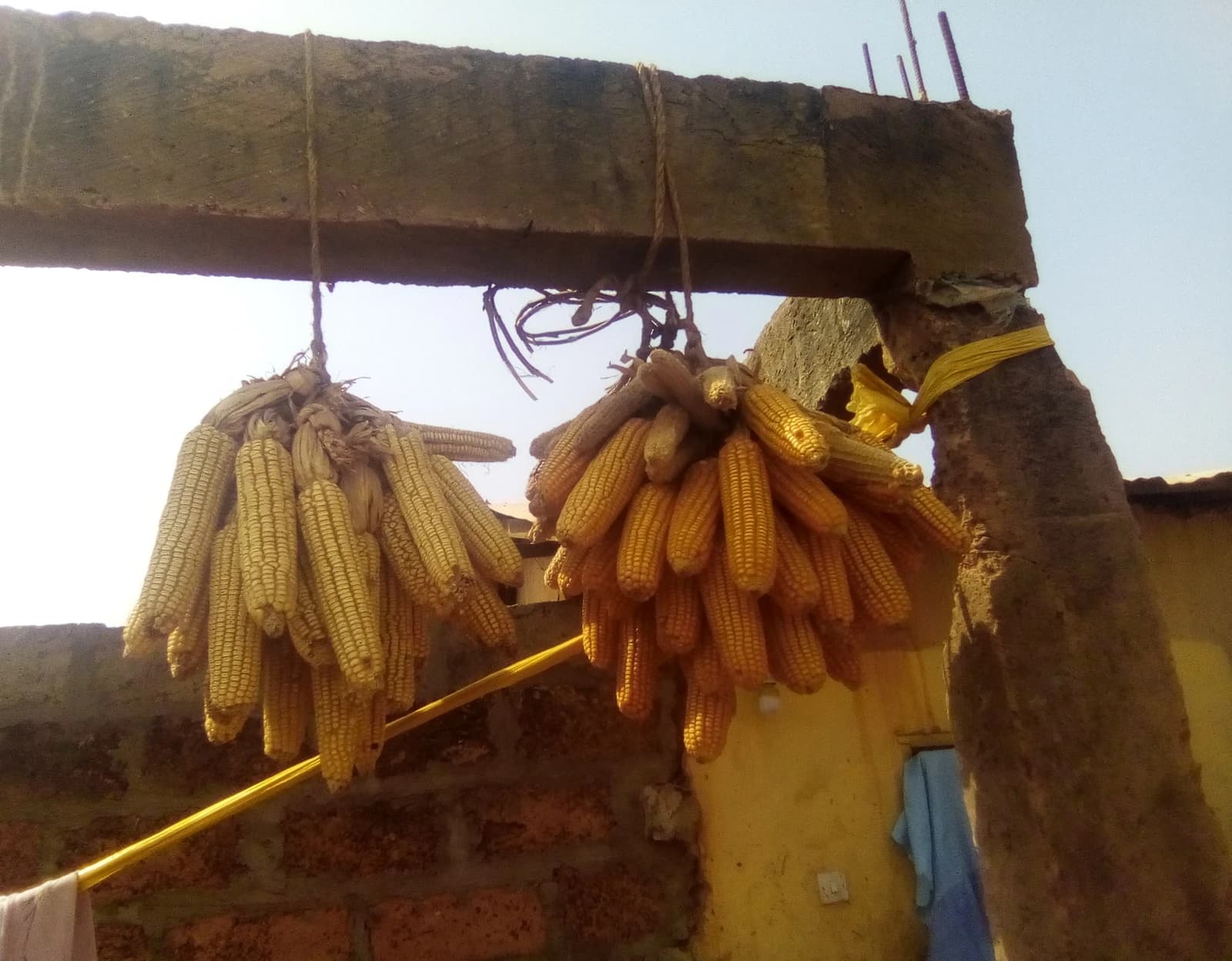
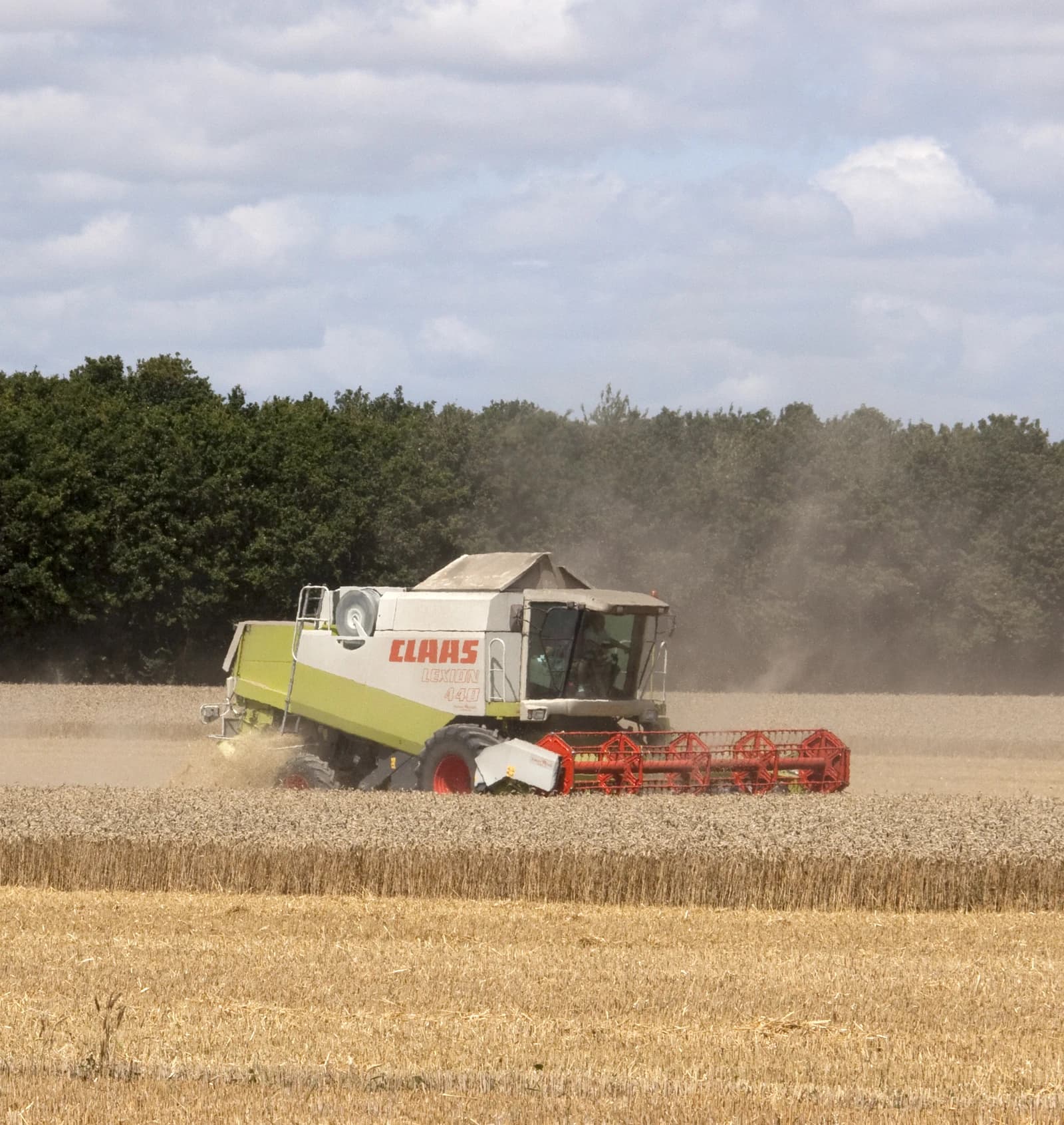
France’s corn crop is set to fall by about 50% in 2026, the steepest drop in decades, forcing producers to seek state support and underscoring how repeated droughts are tightening food and feed supplies across Europe.
France corn crop seen falling to 7 million tonnes
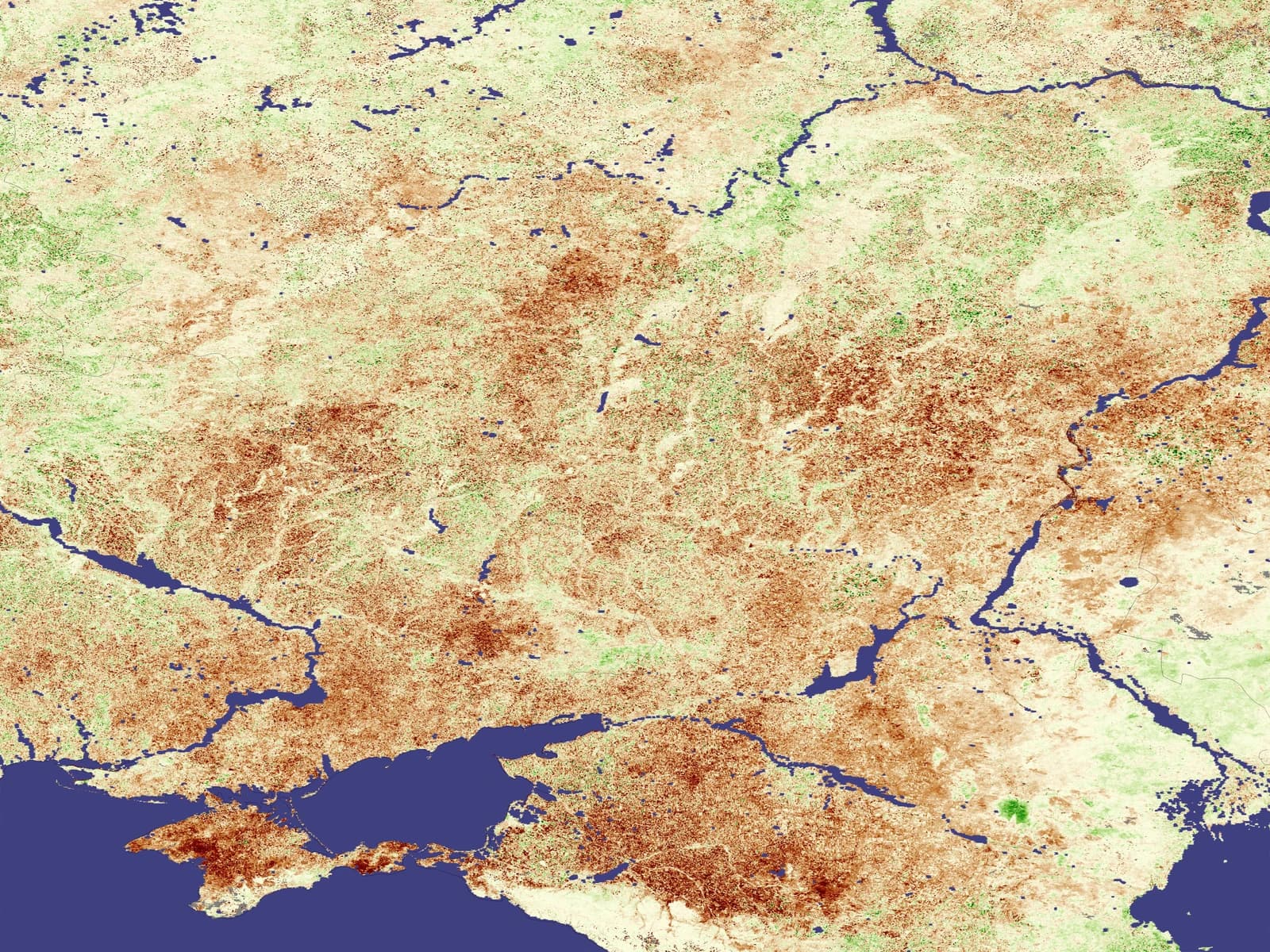
The main producers’ association, AGPM, said grain maize output is heading for about 7 million tonnes, the lowest since 1976, after a combination of smaller planted area and, above all, severe drought and heatwaves. A late-June heat episode was especially damaging. Government statistics agency Agreste had already cut its estimate to 7.3 million tonnes from 13.6 million tonnes in 2025, while Argus Media sees 6.9 million tonnes, confirming a crop shock rather than a marginal shortfall.
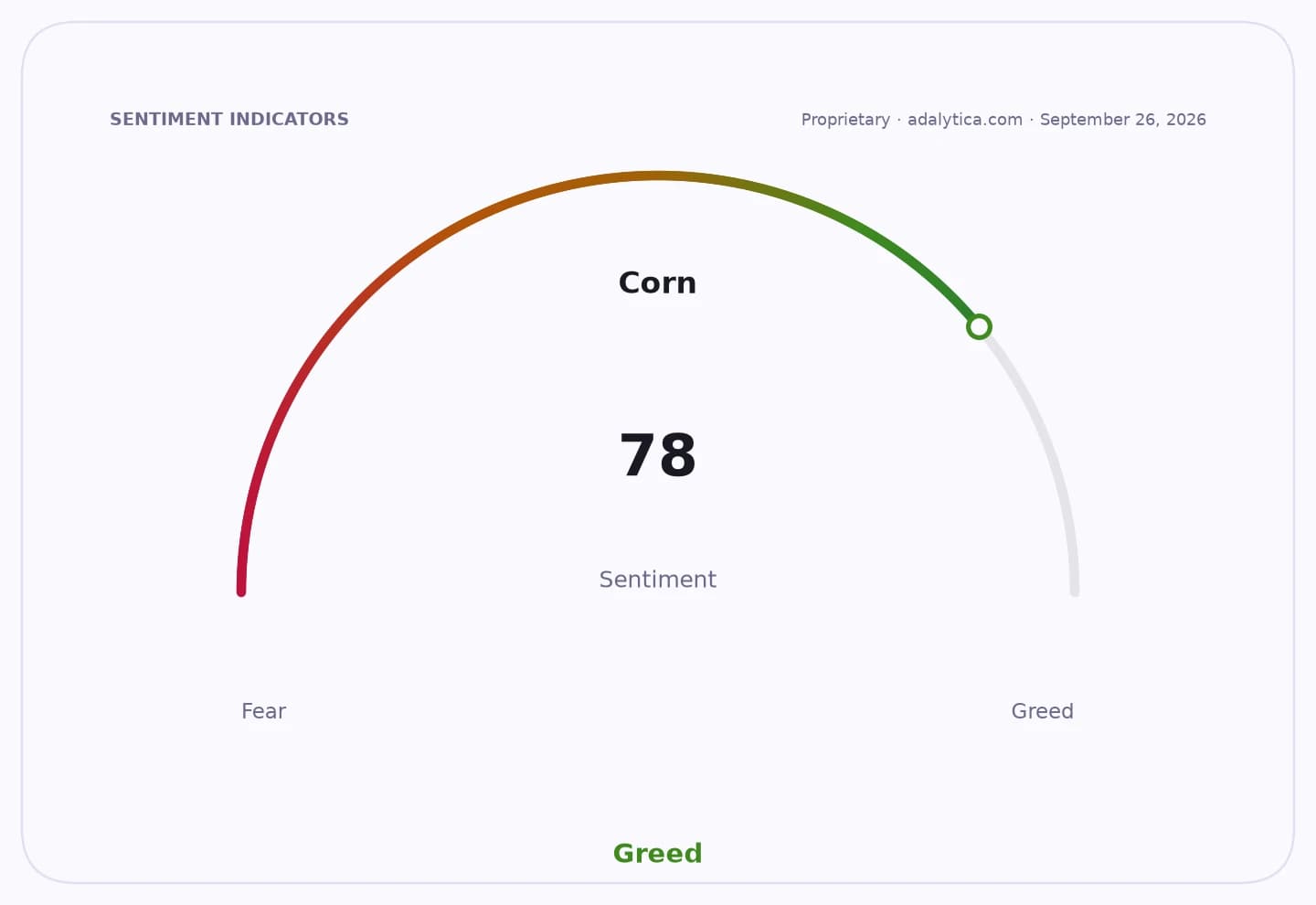
Sentiment IndicatorsⓘProprietary · adalytica.com · October 25, 2026
This is a snapshot — live sentiment, awareness and momentum for 130+ markets update continuously in the dashboard.Open AlphaPulse
The economic hit is large for growers and for the wider agri-food chain. AGPM estimates losses at 2.5 billion euros, and is pressing Paris to act quickly to keep farms afloat and prepare for the 2027 season. It wants 450 euros per hectare in support on an estimated 900-euro cost base, arguing that part of the money would offset spending farmers can no longer afford and the rest would be direct cash aid.
The appeal matters because corn is a core input for livestock feed, starch and industrial uses, so a French supply collapse can ripple into margins for feed makers, food processors and exporters. Europe is not just confronting a smaller harvest in one country; it is absorbing another reminder that weather volatility is becoming a structural cost of production. That raises the odds of higher domestic prices, more imports and firmer competition for available grain in a market that is already sensitive to global supply swings.
For policymakers, the issue is less about one bad harvest than about farm resilience. AGPM is also asking for a temporary exemption from the obligation to plant cover crops between harvest and spring sowing, saying the soils are too dry and that Brussels has signaled approval. It is pressing to widen the timing of aid for nitrogen fertilizer purchases, arguing that the current window does not match when corn farmers actually buy inputs, leaving most of the envelope unused.
For investors, the fallout is mixed. Grain traders and importers may benefit from tighter French and European supply, while livestock producers, feed users and some food manufacturers face margin pressure if corn prices stay elevated. Equipment makers and agricultural lenders may see a second-order effect if farm incomes deteriorate further. The broader message for markets is that climate stress is no longer an abstract agricultural risk: it is increasingly a recurring driver of earnings, policy intervention and commodity pricing.
| Entity | Gains | Losses |
|---|---|---|
| Corn importers/traders | ▲Higher pricing power | ▼Tighter domestic supply |
| French corn growers | ▲Emergency aid support | ▼2.5 billion euro losses |
| Livestock/feed users | ▲— | ▼Higher input costs |
| Policymakers | ▲Chance to backstop farms | ▼Budget pressure |