France’s move to study strategic cereal stocks is a meaningful shift in food-security policy, because it shows Europe’s biggest agricultural powers are no longer assuming grain markets will stay reliable in a world of wars, sanctions and shipping shocks.
France studies strategic cereal stockpiles
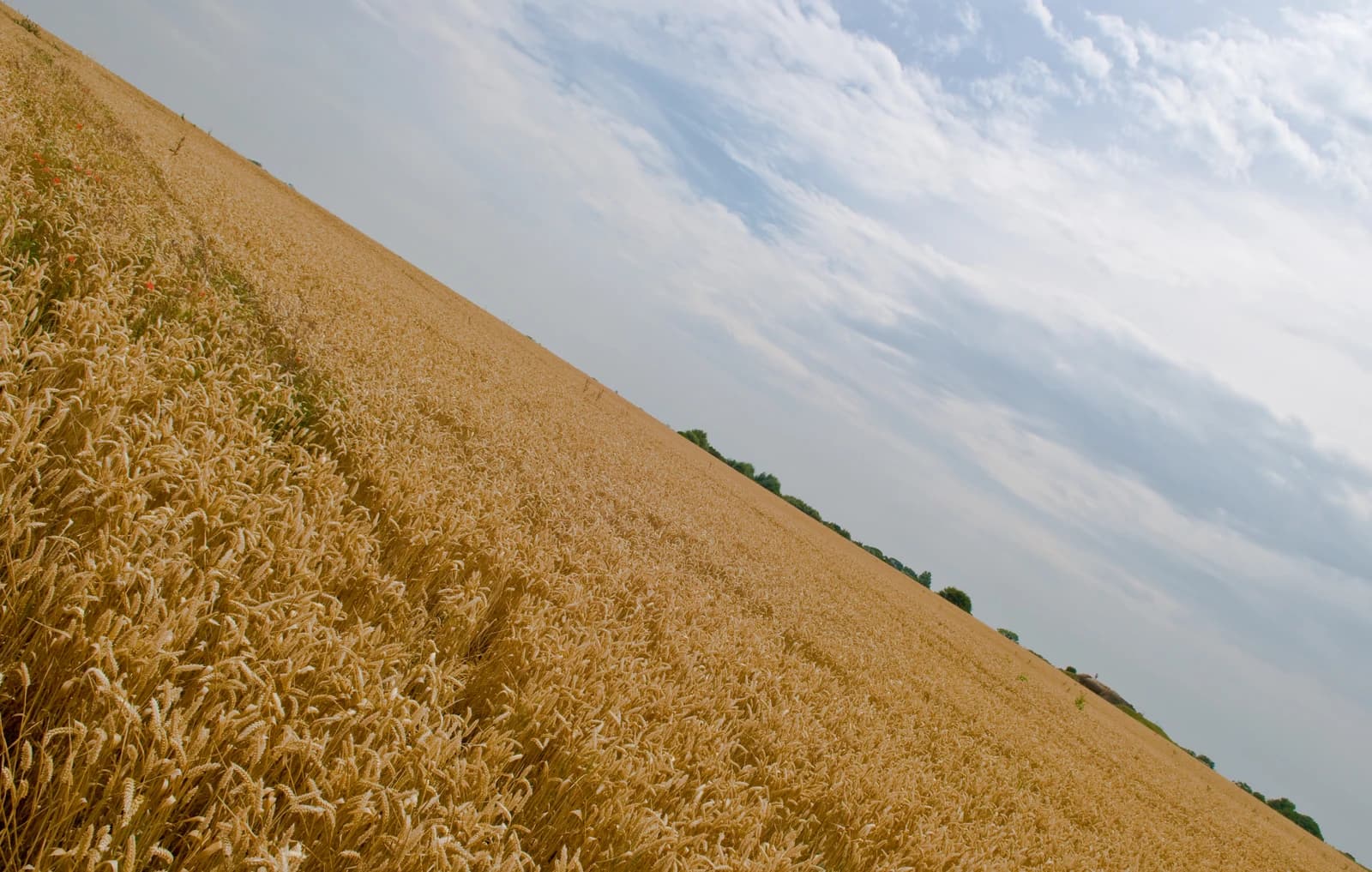
The Agriculture Ministry has launched a flash mission on whether France should build emergency cereal reserves, a step that would put grains closer to the strategic oil stockpiles Paris already holds. For investors, that matters because food security is no longer just a political talking point; it is becoming a policy priority with real implications for storage, logistics, trading and pricing.
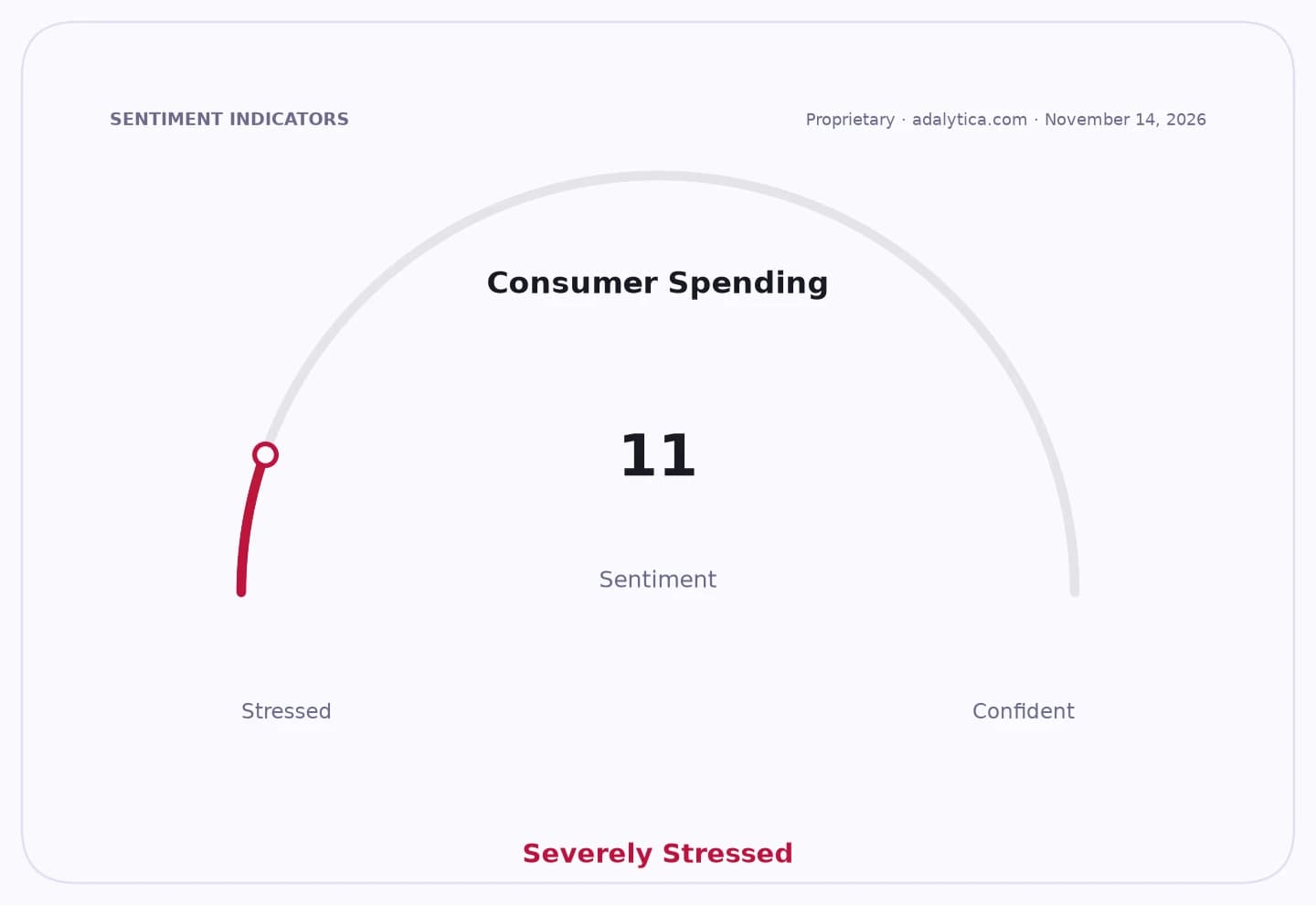
Sentiment Indicators
Geopolitical Risk
The economic case is straightforward. Grain is a basic input for households, livestock producers and food manufacturers, so any move to stockpile wheat, barley or other cereals can reshape demand patterns and warehouse investment. It also reflects a broader European rethink. Industry officials say most EU countries have been working on strategic agricultural reserves, while France has lagged behind. Sweden said in October 2025 that it was building grain reserves in the north of the country for use in war or crisis.
That backdrop is important because global grain markets are already under strain. International prices continue to weaken, but the supply picture is hardly calm. Sovecon has cut its forecasts for Russian grain and wheat exports, and Lithuania’s new grain-testing rules could delay Russian shipments by months. Those frictions may not produce a shortage tomorrow, but they reinforce the bigger lesson: the food system remains vulnerable to geopolitics.
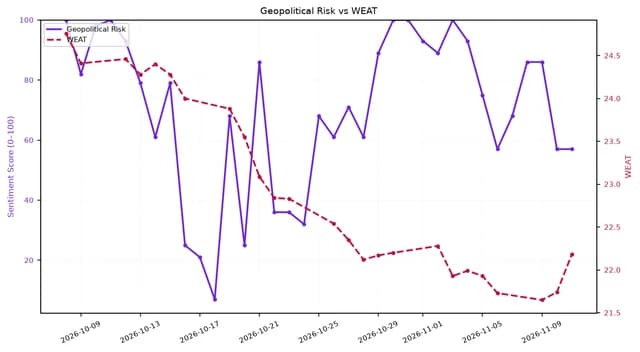
For investors, that creates two very different sets of winners and losers. Grain traders, storage operators and global agribusiness groups could benefit if governments start paying up for resilience. Consumers and food companies, meanwhile, may face higher costs over time if strategic reserves tighten available supply or encourage more precautionary buying.
The market backdrop also shows why policymakers are paying attention. Weaker grain prices do not eliminate risk; they often mask it until a disruption hits. In that sense, France’s review is less about this month’s harvest and more about whether the country can guarantee supply in a future crisis without scrambling.
If the mission leads to concrete stockpile policy, it could mark the start of a more durable European food-security framework. For long-term investors, that is worth watching closely, because resilience spending tends to outlast the headlines.
| Entity | Gains | Losses |
|---|---|---|
| France / EU policymakers | ▲Greater food security | ▼Higher storage costs |
| Grain storage operators | ▲More demand for silos | ▼Limited capacity risk |
| Agribusiness traders | ▲Resilience-related contracts | ▼Lower margin on hoarding |
| Consumers / food makers | ▲Fewer crisis shortages | ▼Potentially higher food costs |