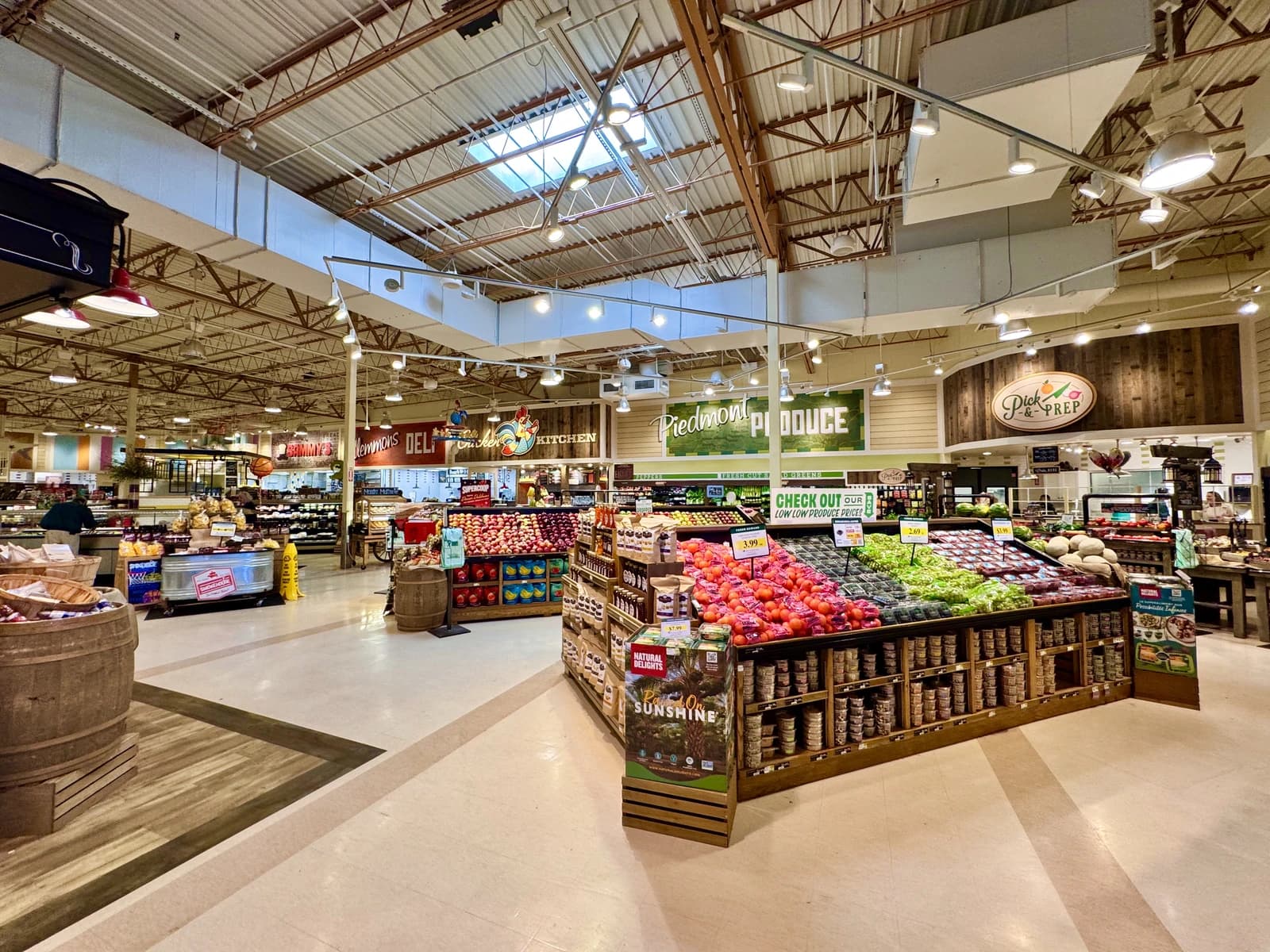
Azerbaijan’s sharp rise in fruit and vegetable prices is being driven more by traders buying cheap from farmers and stockpiling produce in cold storage than by weather or climate change, according to local agricultural expert Vahid Maharramov.
Azerbaijan fruit prices rise on storage speculation
That matters because it points to a supply-chain and market-power problem, not just a production problem. If the squeeze comes from intermediaries controlling inventory and timing sales, higher prices can persist even when harvests improve, keeping food inflation sticky and eroding household purchasing power.
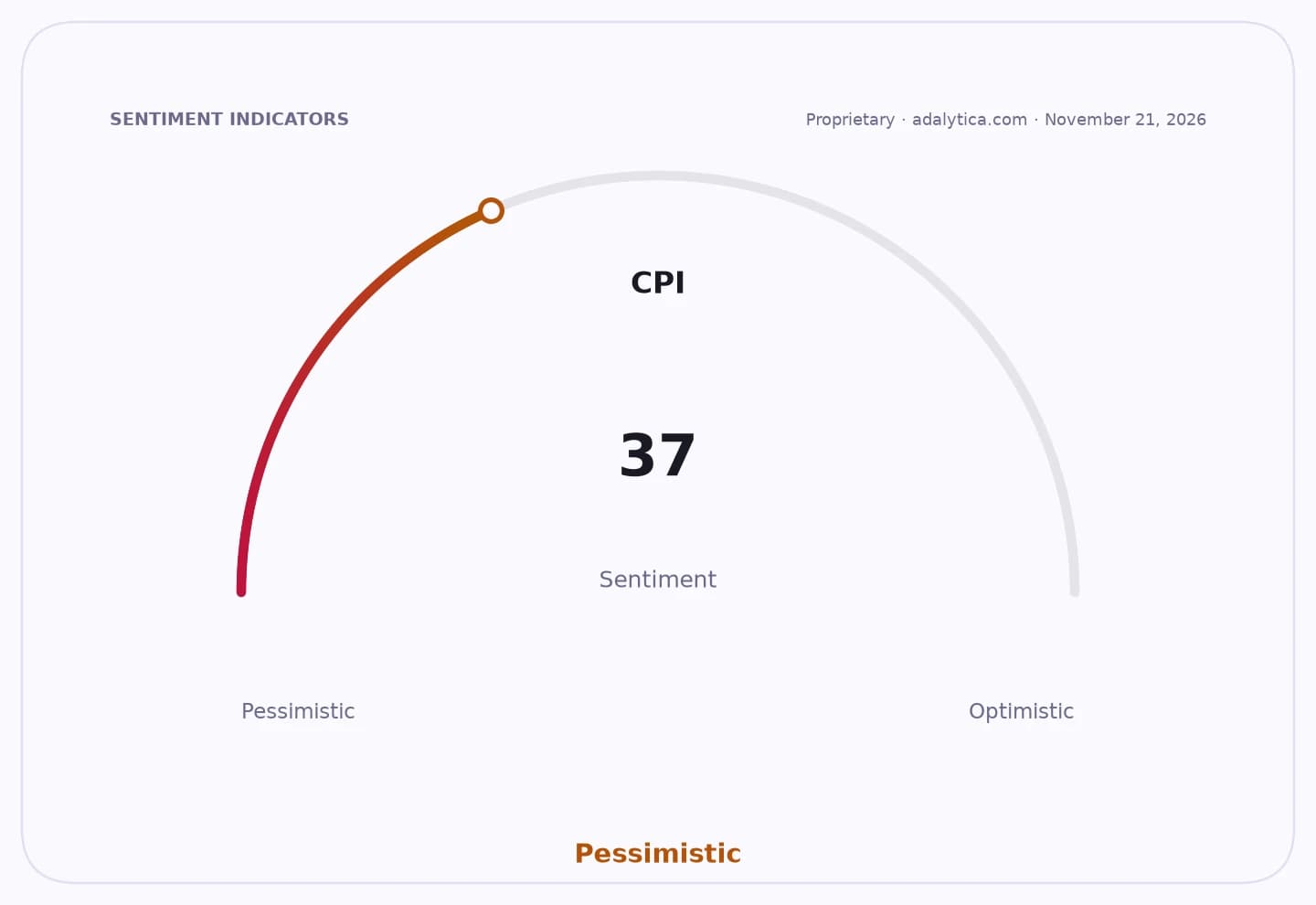
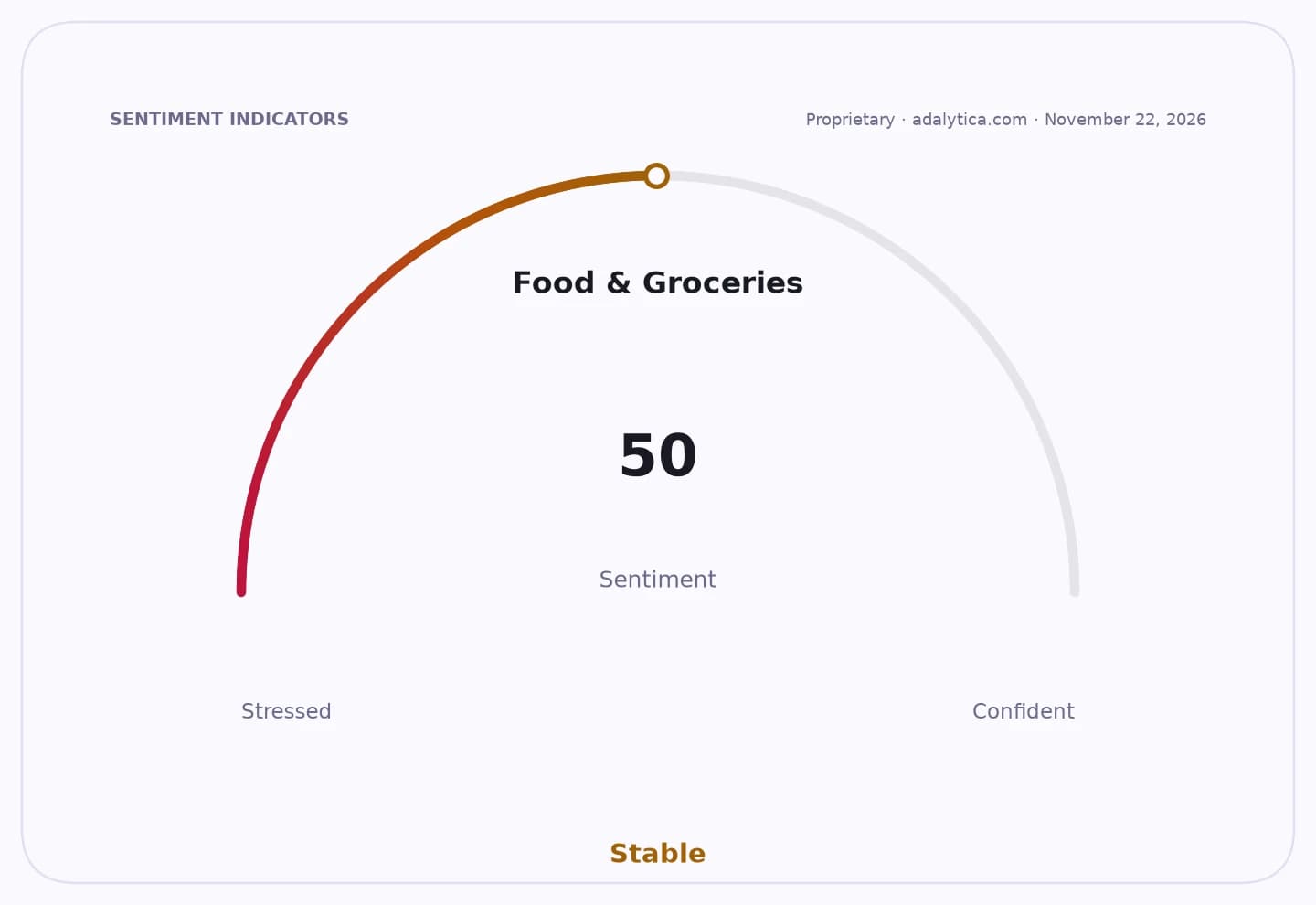
Sentiment Indicators
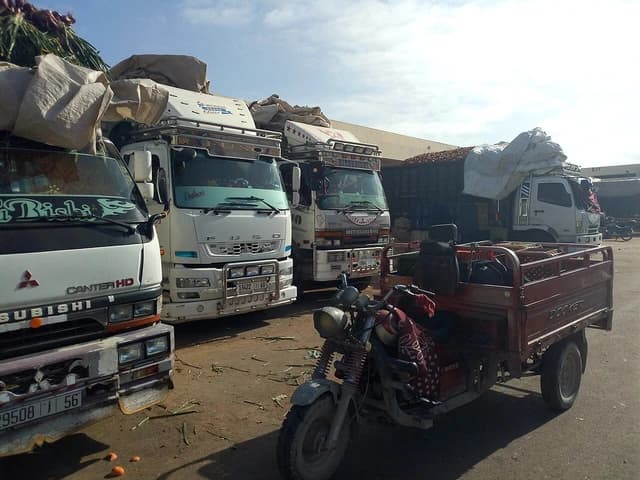
Maharramov said climate conditions have also changed in neighboring Uzbekistan and Georgia, where output and quality have improved, while Azerbaijan has seen the opposite. In Quba, prolonged rain hurt output, but he said other regions such as Agsu and Agdash had normal weather and strong harvests, suggesting regional shortfalls should have been offset.
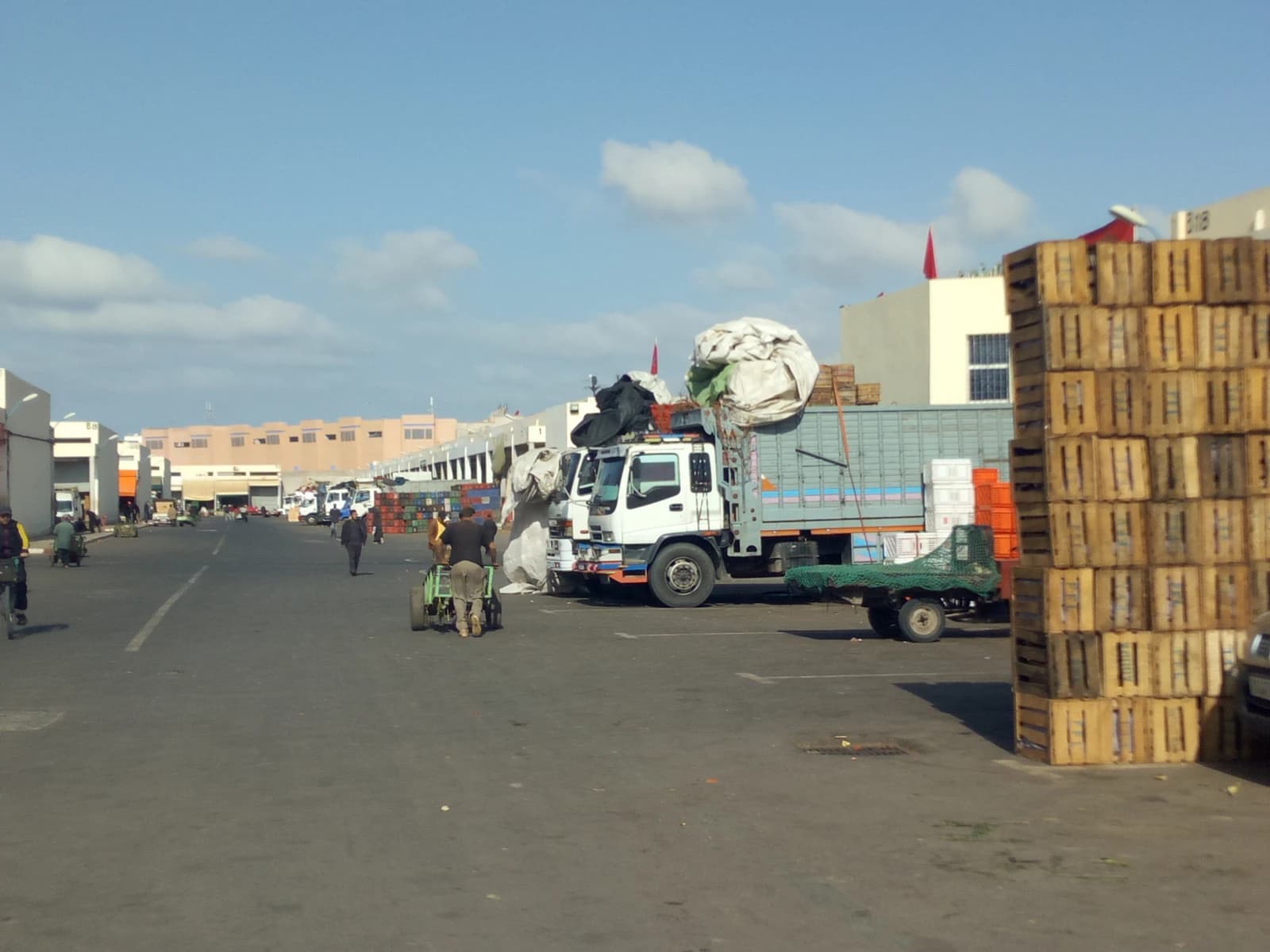
Instead, he said a new class of speculators has emerged over the past few years, replacing traditional procurement channels. These buyers purchase produce from farmers at low prices, store it in refrigerated warehouses and then release it when market supplies tighten, pushing prices higher in bazaars.
CPI
For investors and policymakers, the story is about inflation transmission and market structure. Food prices are a major driver of consumer expectations, and a hoarding-driven price spike can feed broader inflation pressures even when the underlying agricultural cycle is not uniformly weak.
The broader backdrop is not helpful. Global food and energy pressures remain elevated, with conventional commodity indicators for corn and soybeans still above their longer-term averages and oil trading in a high-greed regime in Adalytica’s trade signals. If Azerbaijan does not restore more competitive farm-gate buying and storage oversight, consumers are likely to keep paying more for staples into the next harvest cycle.
| Entity | Gains | Losses |
|---|---|---|
| Speculators/warehouse owners | ▲Wider margins | ▼None from tight supply |
| Farmers | ▲Faster cash sales | ▼Lower farm-gate prices |
| Consumers | ▲Little benefit | ▼Higher food bills |
| Traditional collectors | ▲None | ▼Displaced from the market |