Food prices at Bulgaria’s big supermarket chains rose 1.8% from a year earlier in October, a sign the pace of grocery inflation is cooling even as food costs still edge higher across the wider market.
Bulgaria supermarket food prices rise 1.8% in October
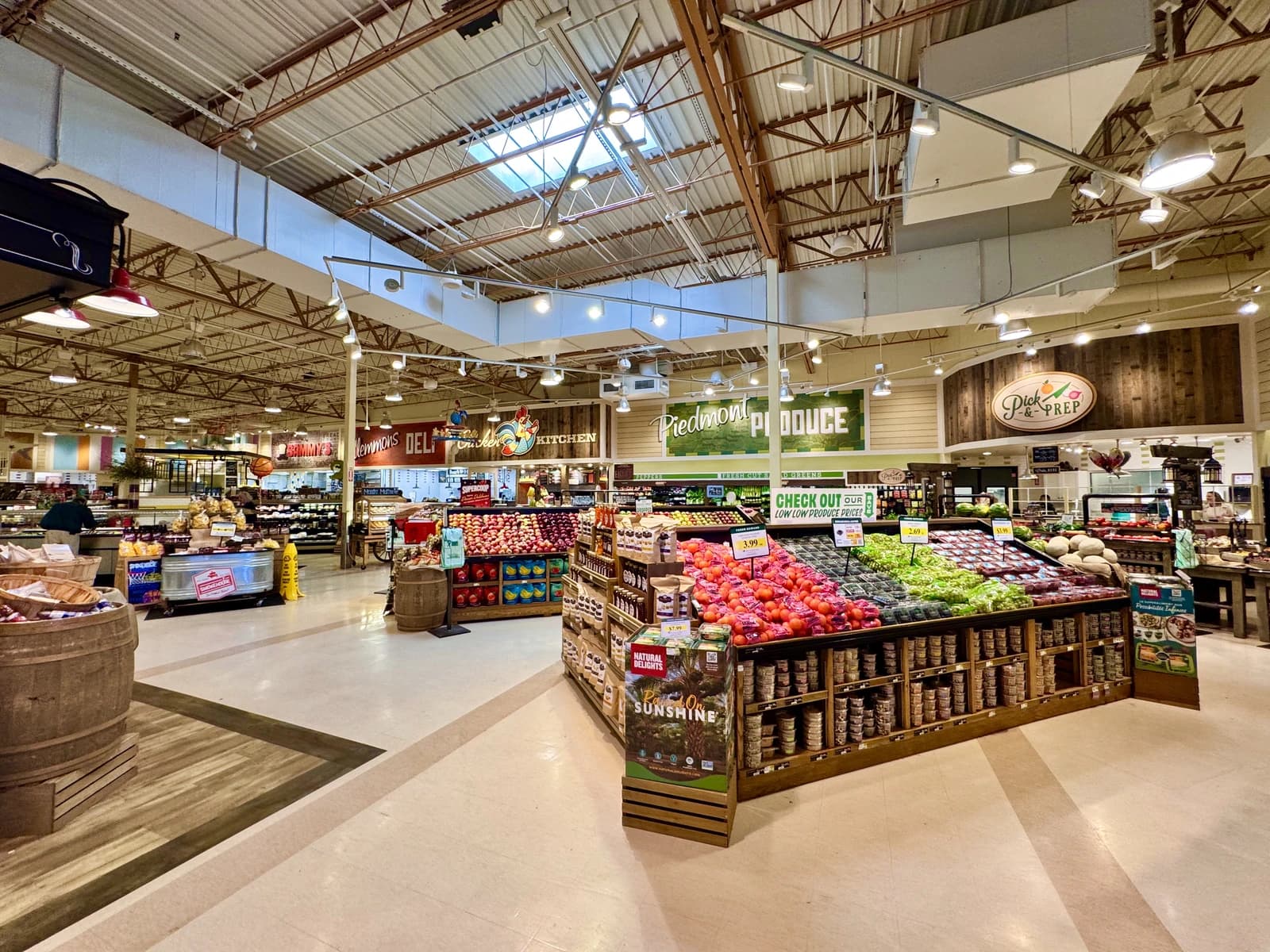
The National Statistical Institute said overall food and non-alcoholic drink inflation was 2% year on year, leaving the big-chain reading just 0.2 percentage points below the market-wide figure. The institute is using the first experimental data from direct price reporting by the country’s largest supermarket groups, a method that is set to become an additional input in official consumer price calculations from January 2027.
Sentiment Indicators
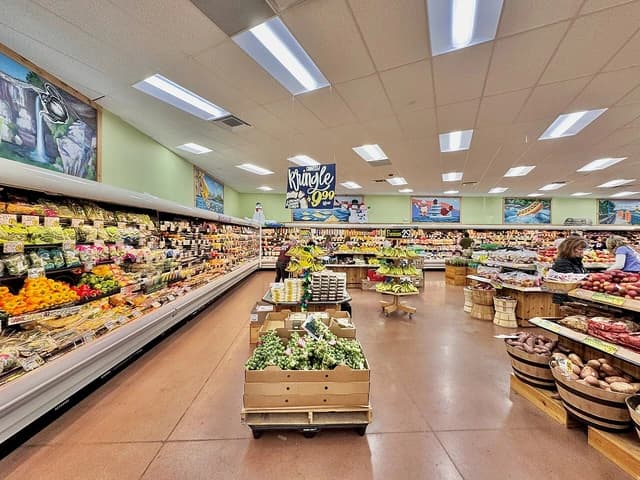
For households, slower price growth in the biggest chains matters because supermarkets are where most consumers feel inflation first. It also suggests pricing pressure is easing in part of the food retail market after four straight months of deflation in large chains from May through August, even though prices across the whole market only posted declines in June and July.
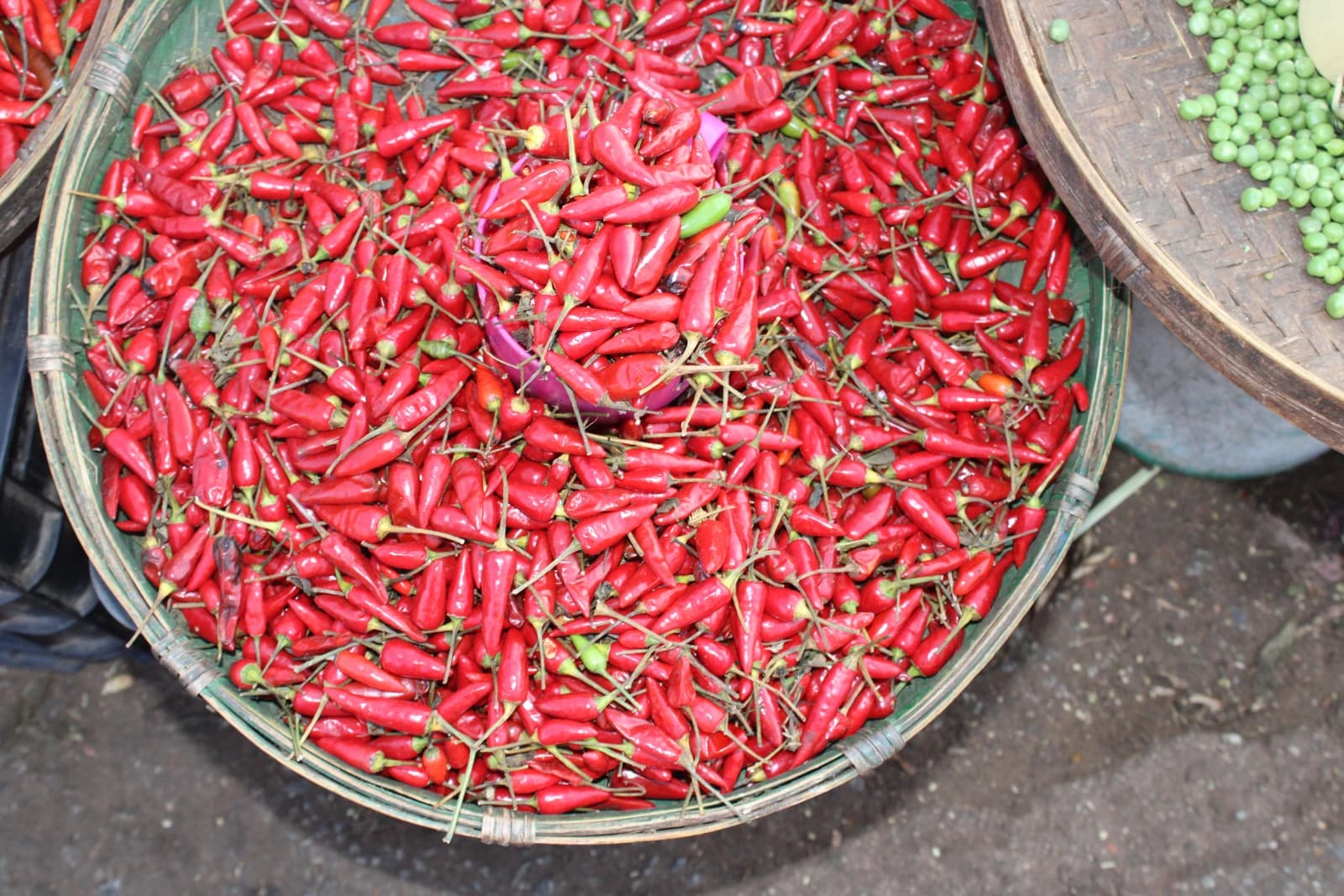
Month on month, food and non-alcoholic drink prices rose 0.6% in October versus September, with tomatoes up 10.3%, peppers 8.8%, green beans 3.8% and potatoes 3.6%. That points to seasonal volatility in fresh produce even as the broader annual trend softens.
Long-term Inflation Expectations
The new statistical method is also important for investors because it should give a more granular read on inflation in a sector where pricing power and consumer demand are closely watched. Retailers and food distributors benefit when inflation moderates without a sharp drop in volumes, while persistent food-price gains can squeeze lower-income shoppers and keep pressure on policymakers.
U.S. listed grocers and food distributors were mixed in recent trading, with Walmart and Costco both near their recent highs while US Foods has seen sharper swings around its latest earnings. US Foods’ latest filing also showed chain case volume falling 1.5% to 1.8%, underscoring that pricing and volume trends are diverging across channels.
The next catalyst is January’s formal adoption of the supermarket data into inflation calculations, which could change how quickly policymakers and markets see food-price trends showing up in the official CPI.
| Entity | Gains | Losses |
|---|---|---|
| Consumers | ▲slower food inflation | ▼still face higher grocery bills |
| Big supermarket chains | ▲clearer pricing data | ▼scrutiny on pricing power |
| Policymakers/statisticians | ▲better CPI measurement | ▼more complex index construction |
| Food retailers/distributors | ▲steadier demand if inflation cools | ▼margin pressure if price rises slow |