Turkey’s agricultural input costs accelerated in September, underscoring the squeeze on farmers even as food prices remain part of the country’s broader disinflation fight.
Turkey Agricultural Input Costs Rose 3.78% in September
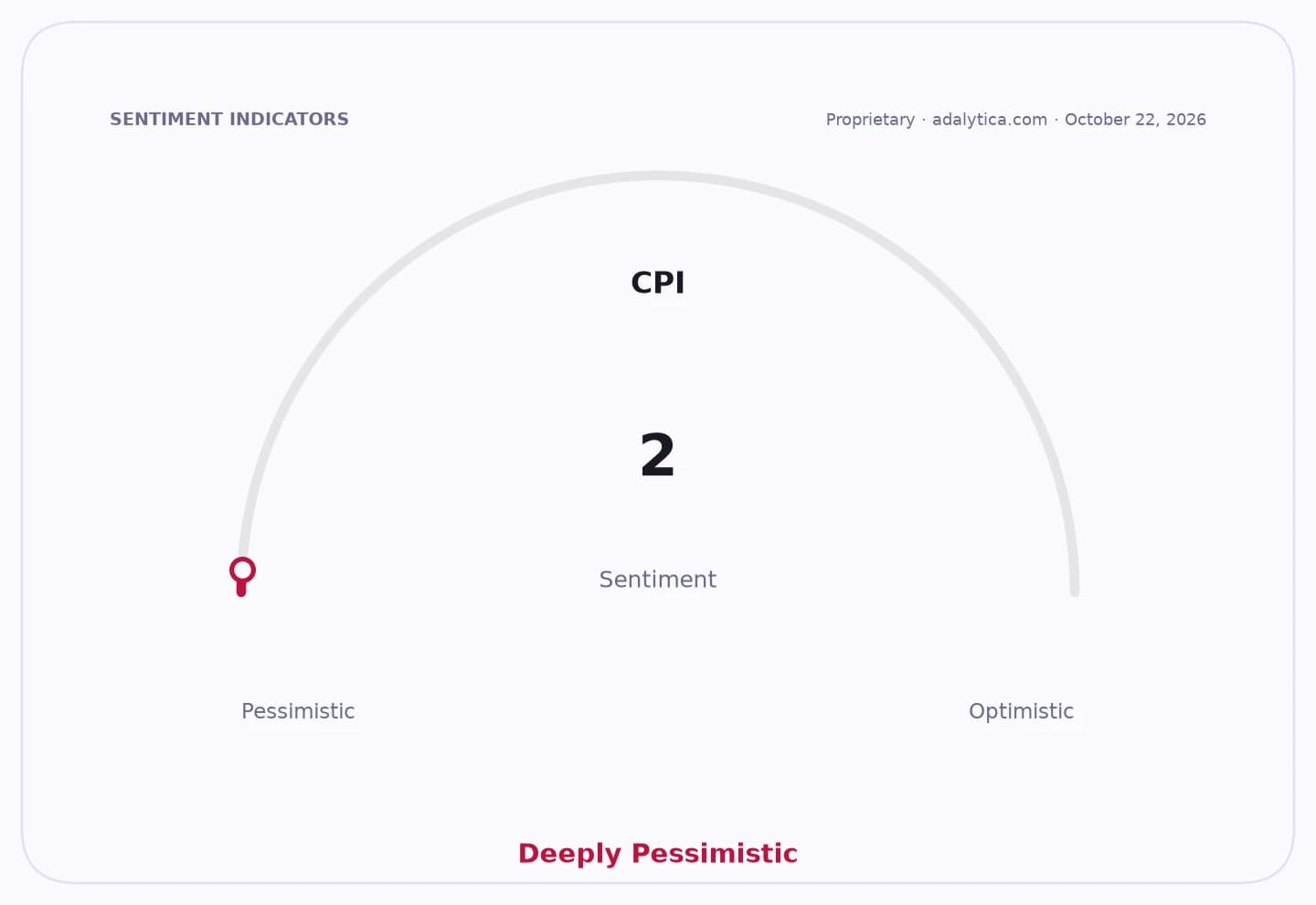
CPI
Antalya Commodity Exchange President Ali Çandır said the Agricultural Input Price Index rose 3.78% from August, more than double the average September increase since the series began in 2015, while the annual rate came in at 32.36%. He said September was the strongest monthly reading for the month in a decade, a sign that producers are still facing elevated cost pressure despite easing food inflation in some categories.
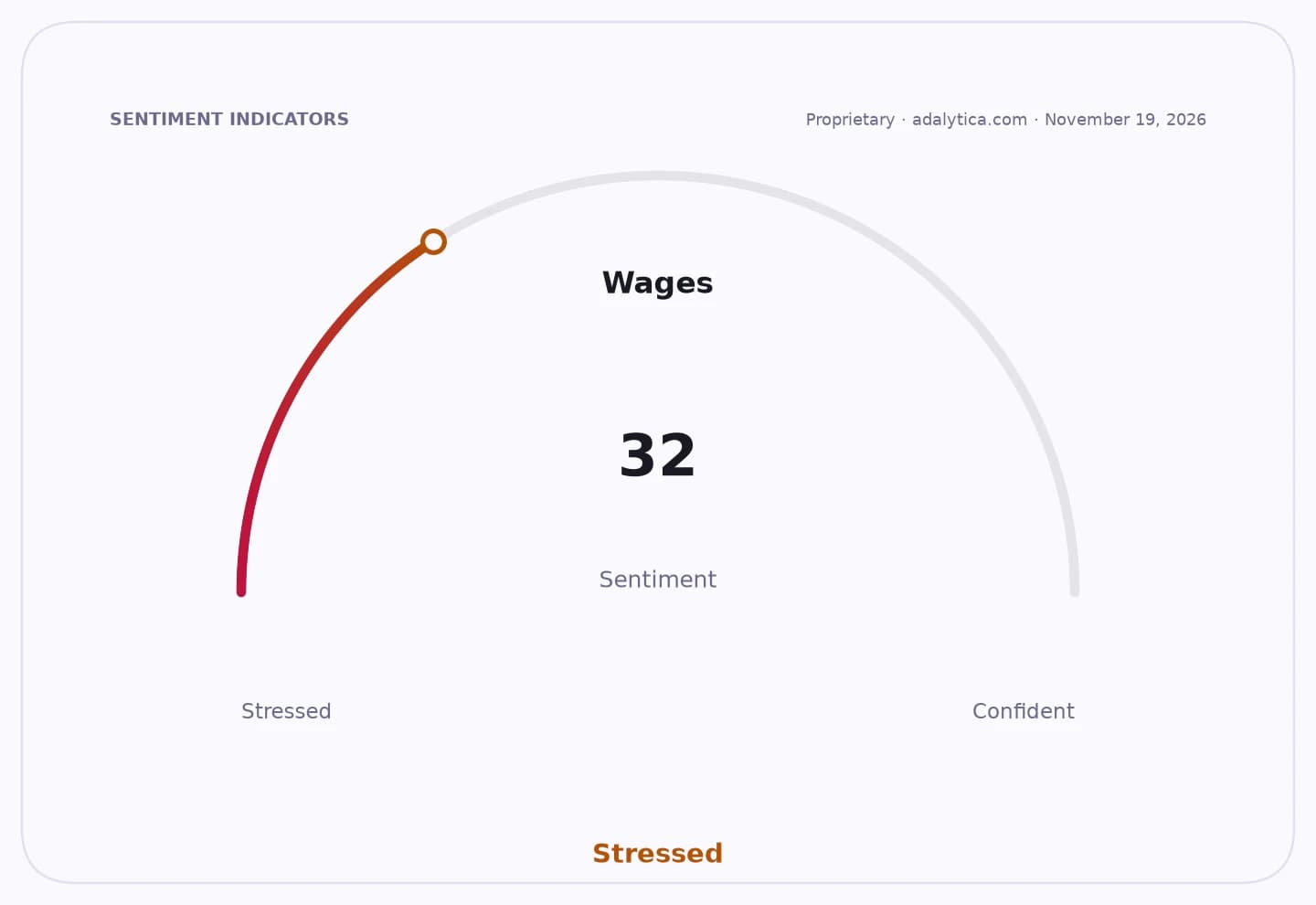
Sentiment Indicators
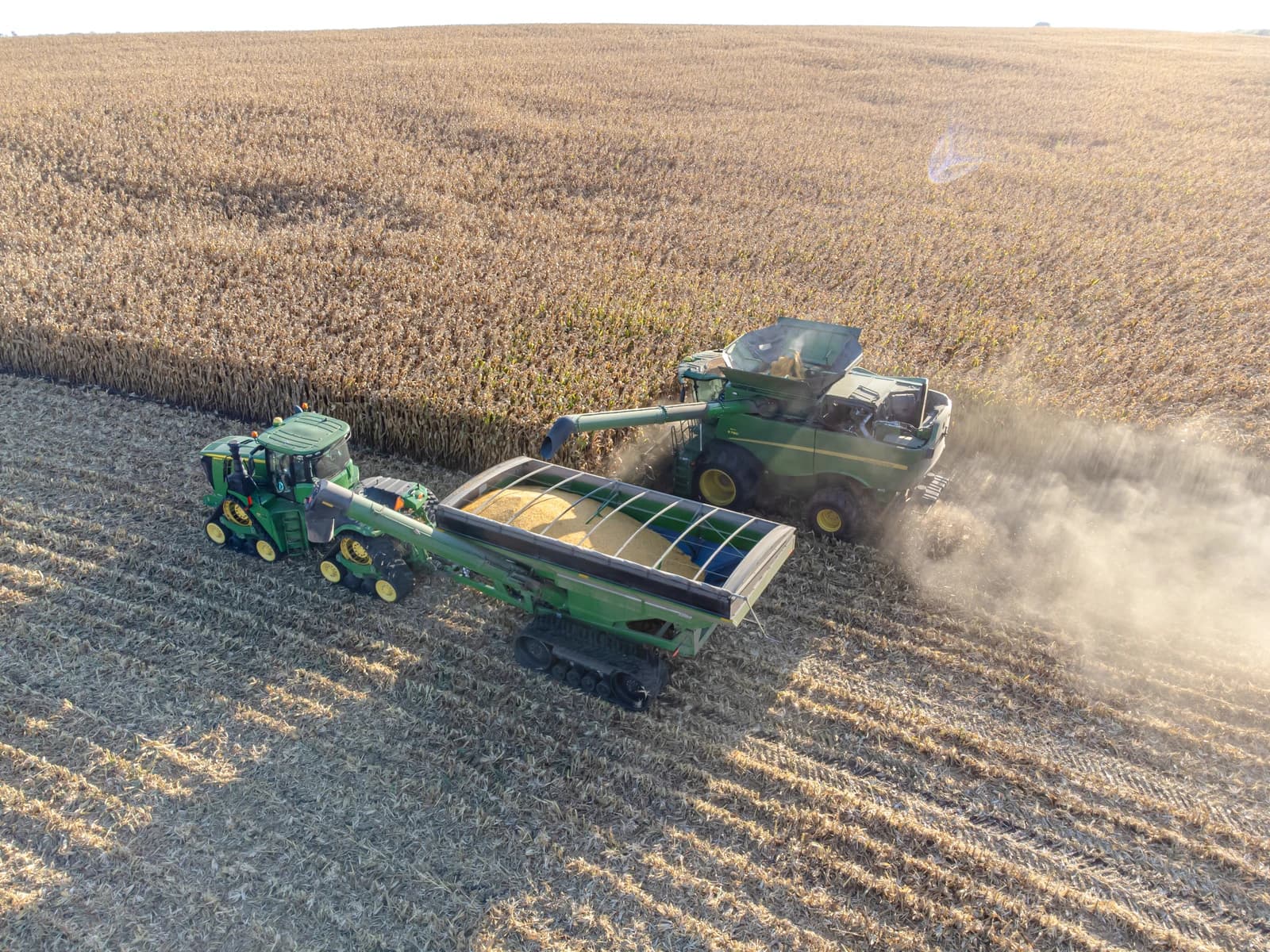
The most acute pressure came from energy, a key line item for irrigation, transport and on-farm operations. Çandır said energy input costs rose 9.56% on the month and 53.38% year on year, far outpacing the broader basket. Fertilizer costs climbed 3.76% month on month and 31.90% on the year, while feed rose 3.26% monthly. Seed prices increased 2.72% on the month and crop protection products 1.16%.
That matters because farm-gate margins are being compressed from both sides: input inflation remains stubborn, while producer prices are not keeping pace. Çandır pointed to a 1.19% monthly decline in agricultural producer prices in September, saying the gap between input costs and output prices shows a clear loss for active producers. In practical terms, that leaves growers with less room to absorb shocks from weather, financing costs or currency moves, and raises the risk that higher production costs are eventually passed through to consumers.
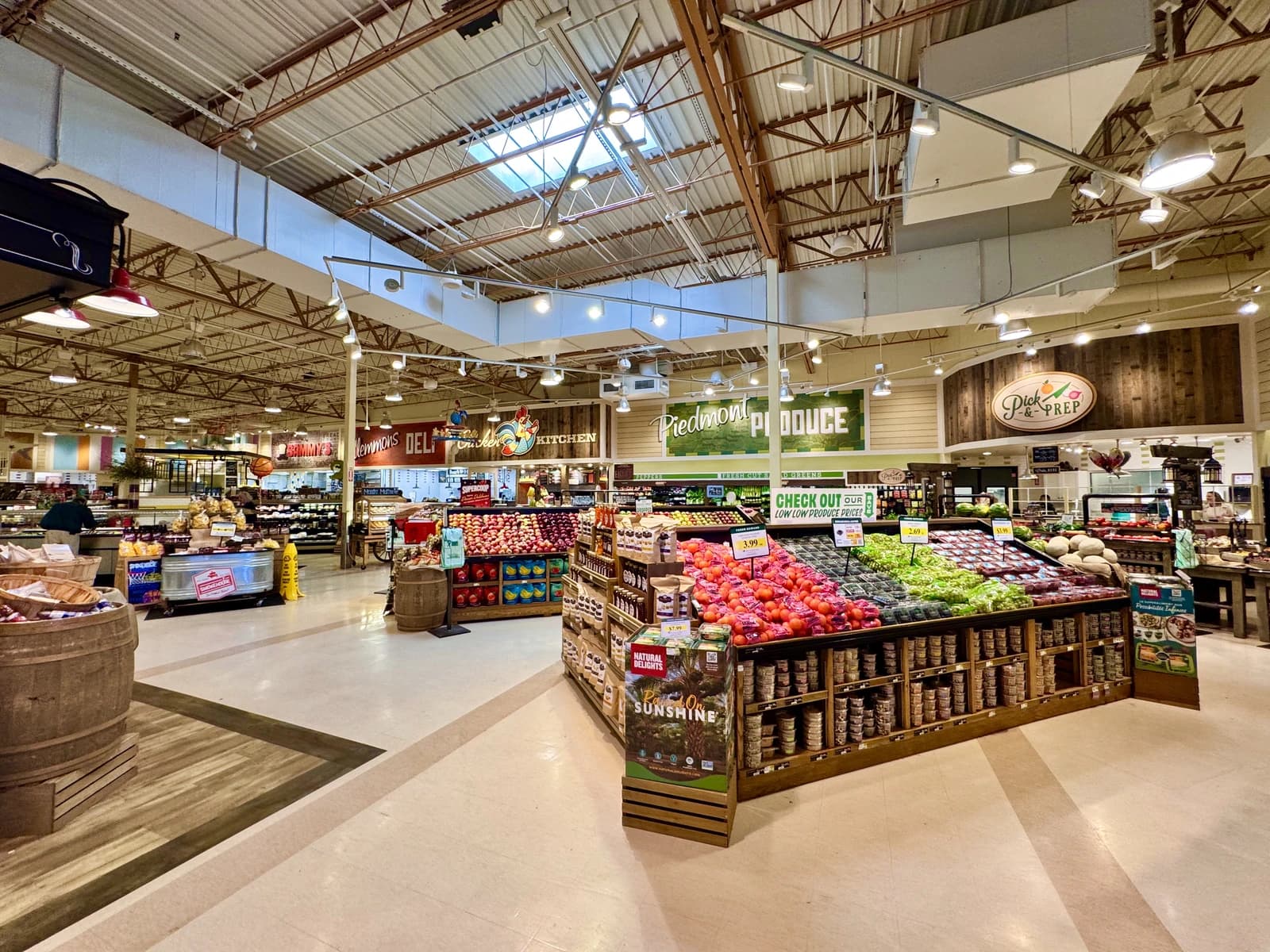
The macro backdrop remains uncomfortable for Turkey. Consumer inflation is still elevated, and agricultural costs are adding to the challenge for policymakers trying to stabilize prices without choking growth. Because food has a heavy weight in the inflation basket, sustained pressure on farming inputs can keep food inflation sticky even when headline price gains slow elsewhere. That makes September’s reading economically important well beyond the farm sector: it points to a supply-side source of inflation that monetary policy cannot quickly fix.
For investors, the message is more mixed. Higher agricultural input inflation can support earnings for fertilizer and crop nutrient suppliers globally, but it is a negative for farmers, food processors and domestic consumer-sensitive businesses if cost increases are not fully passed through. The report also fits a wider inflation pattern in which energy remains a central driver, and where commodity-linked businesses may see volatile pricing power rather than a clean demand recovery.
The next question is whether input inflation moderates in the final quarter or remains sticky into year-end. If energy and fertilizer prices stay firm, Turkish agriculture could remain an inflationary pressure point, limiting relief for consumers and keeping pressure on policymakers to address supply-side bottlenecks as well as demand.
| Entity | Gains | Losses |
|---|---|---|
| Fertilizer and input suppliers | ▲Higher selling prices | ▼Farmers’ margins |
| Turkish farmers | ▲None | ▼Rising production costs |
| Consumers | ▲Potential supply stability | ▼Higher food prices |
| Policymakers | ▲Clearer inflation transmission | ▼Less room to ease policy |