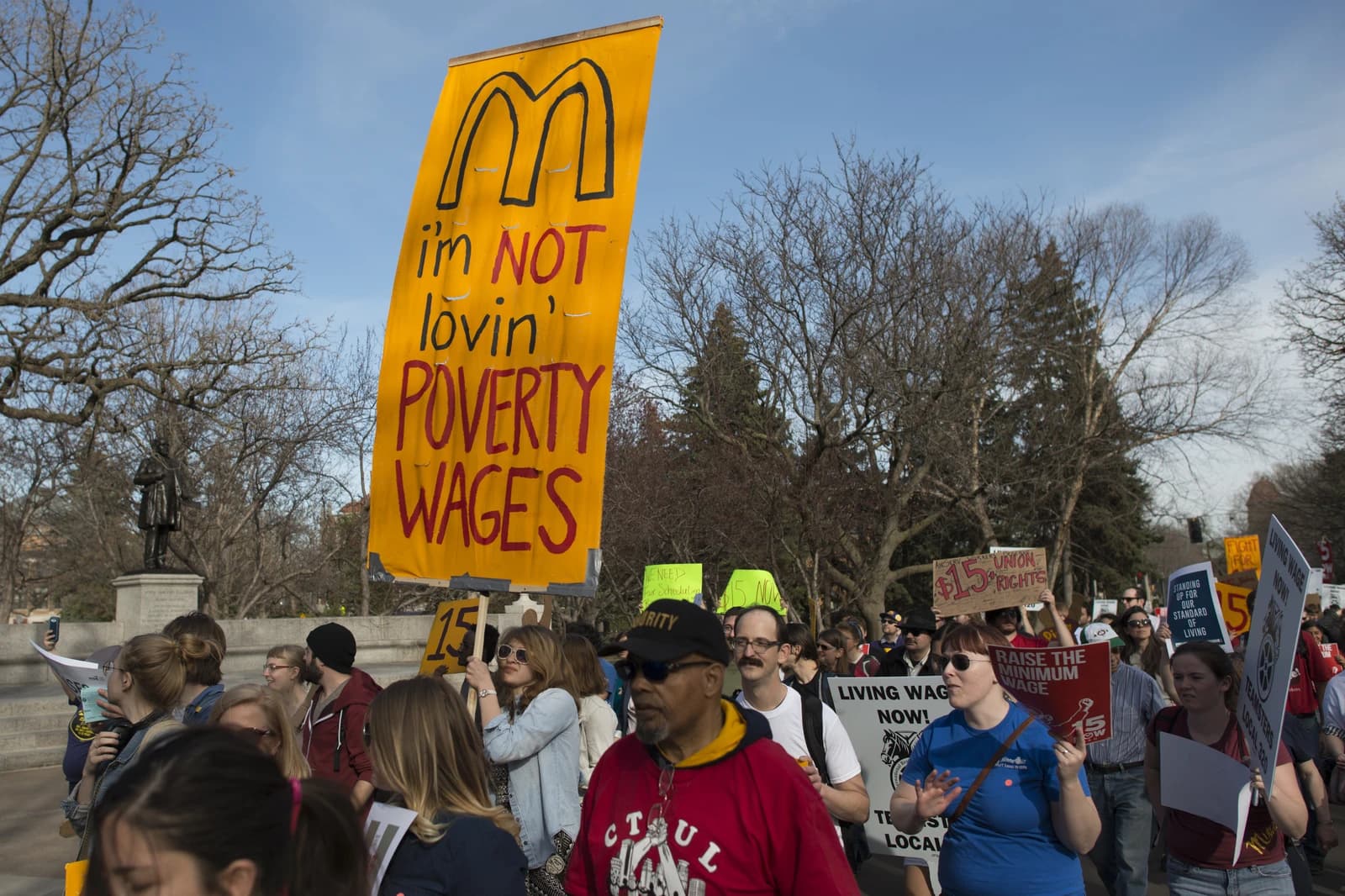
Turkey’s minimum wage and pension debate is being pulled back to the center of economic policy, with commentary from Yeni Şafak writer Aydın Ünal reviving expectations that the government may opt for an increase beyond the usual year-end adjustment. That matters because any extra raise would immediately feed into household purchasing power, inflation expectations and the fiscal burden of pensions at a time when Ankara is trying to keep price growth under control.
Turkey Minimum Wage Debate Returns to Policy Focus
Wages
The political significance is larger than the headline itself. In Turkey, the minimum wage is not just a labor-market benchmark; it is a reference point for a wide slice of private-sector pay and for pension policy. When minimum wage increases are generous, they can support consumption and help offset years of high inflation. But they also risk reigniting wage-price pressures and complicating the central bank’s disinflation effort.
Sentiment Indicators
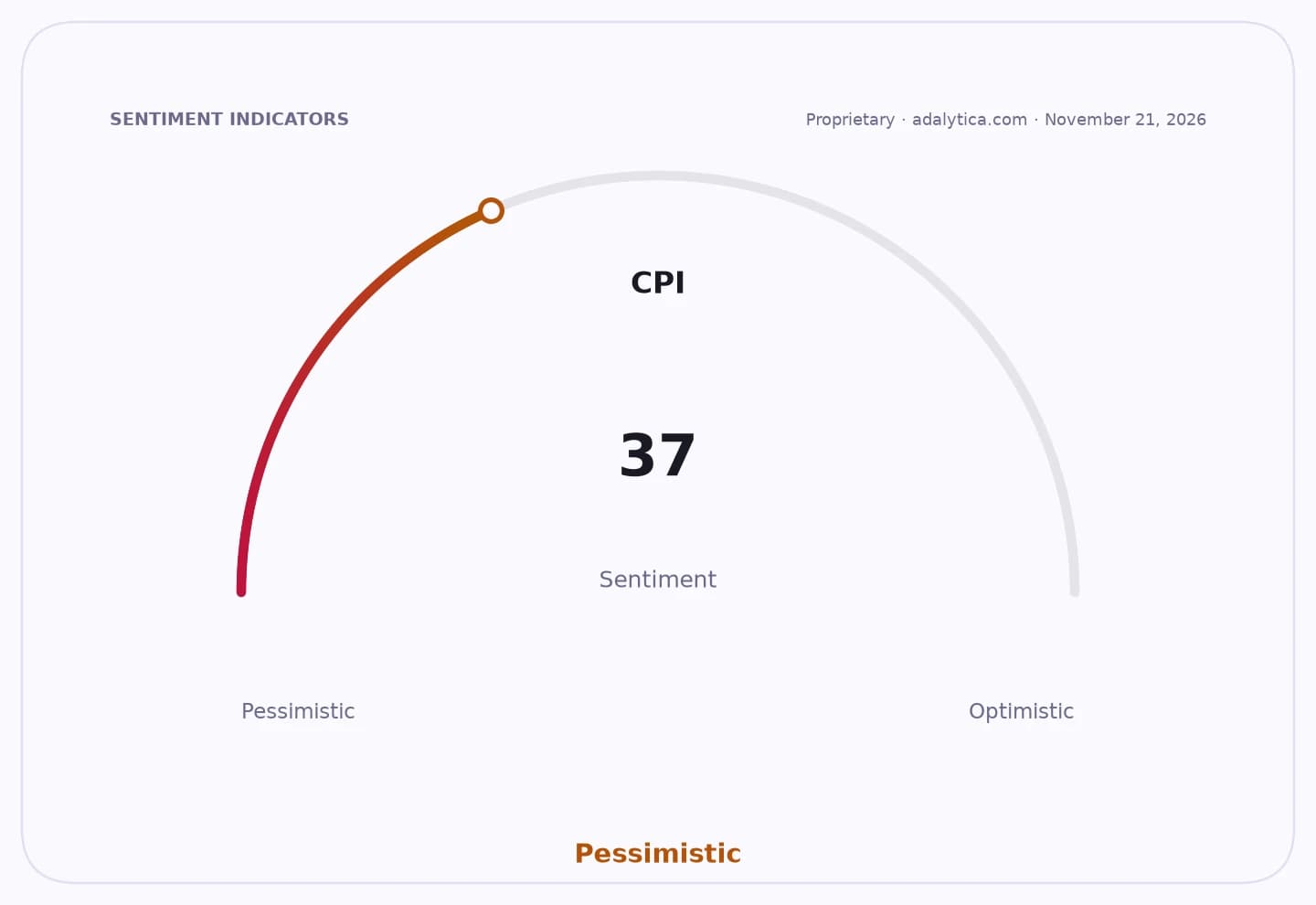
That tension is already visible in market sentiment. Adalytica’s CPI sentiment gauge is neutral at 33, but it fell 6 points in the past day and 42 points over the past week, suggesting investors and policymakers remain cautious on the inflation path. Wage inflation sentiment, meanwhile, jumped 29 points on the day to 32, though it remains neutral overall, reflecting renewed attention to pay-setting and the possibility that labor costs could again become a macro variable.
For investors, the story matters because wage and pension decisions affect everything from retail demand to margins in labor-intensive sectors. A larger increase would likely favor consumer-facing companies, supermarkets and domestic-demand plays, while pressuring employers with high payroll exposure and reinforcing concerns about second-round inflation effects. It would also matter for sovereign finances if pension outlays rise materially.
The market backdrop is already fragile. TUR, the tracker in the data, has fallen to 31.15 from 42.55 in late April and remains below both its 50-day and 200-day moving averages, a sign that sentiment has weakened even as some short-term momentum indicators have improved. RSI at 52.5 suggests the move is no longer oversold, but the broader trend still points to caution.
The key question now is whether Ankara chooses to prioritize social relief or macro discipline. A modest adjustment would support the inflation fight and reassure bond and FX markets, but it could deepen strain on lower-income households. A larger “optional” raise would boost consumption and political goodwill, yet raise the risk that Turkey’s disinflation process becomes slower and more uneven than policymakers want.
| Entity | Gains | Losses |
|---|---|---|
| Low-income households | ▲Higher real income | ▼Slower inflation relief |
| Consumer-facing retailers | ▲Stronger spending | ▼Margin pressure from wages |
| Employers | ▲Policy clarity | ▼Higher payroll costs |
| Inflation fighters | ▲Tighter wage control | ▼Softer household demand |