Turkey is heading into December wage negotiations with the strongest market expectation centered on a 30% minimum-wage increase, a move that would lift the monthly net wage to 36,498 lira and reshape pay calculations across more than 80 linked items.
Turkey minimum wage seen rising 30% in December talks
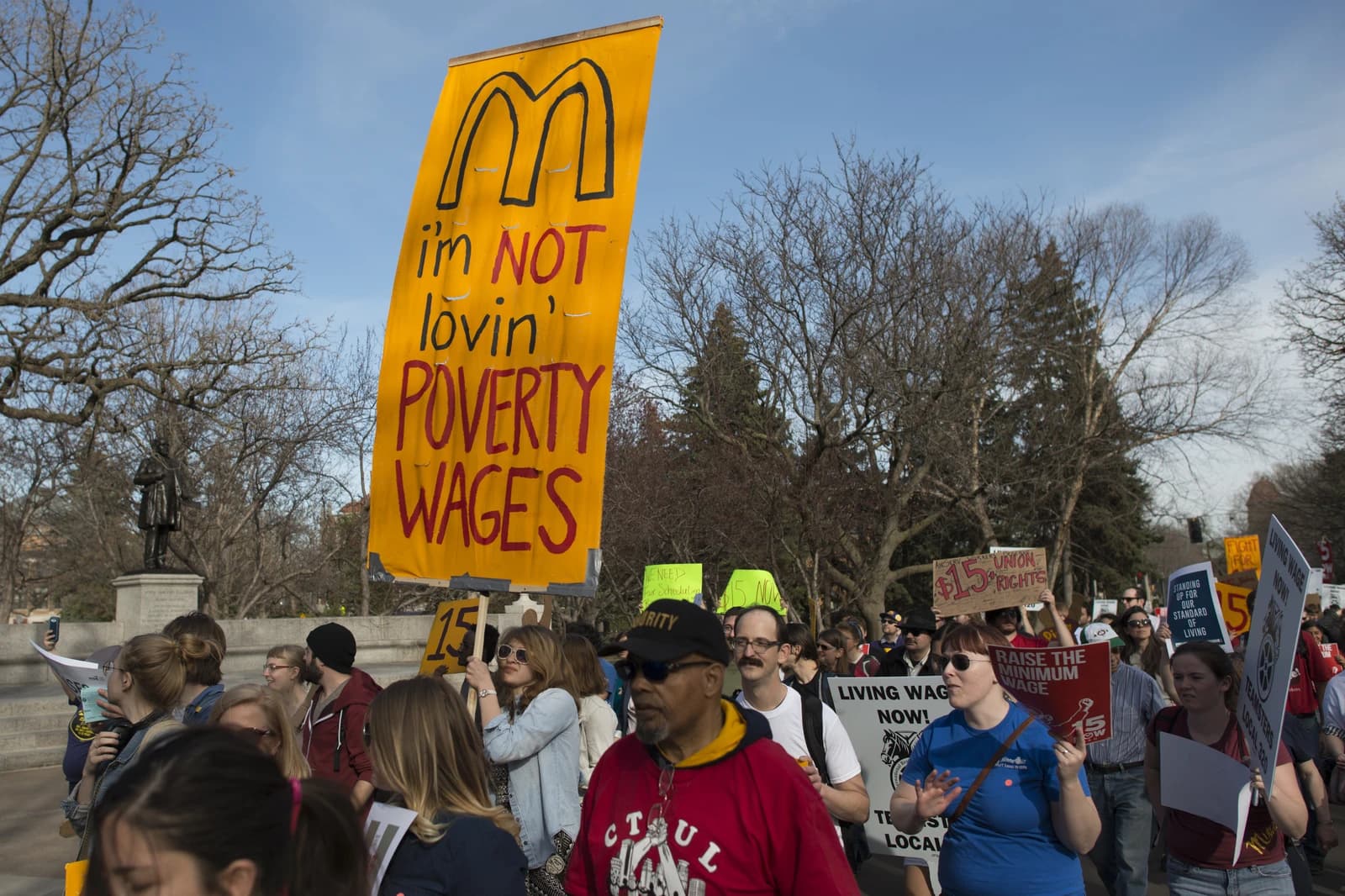
The size of the increase matters because it will ripple far beyond low-income workers. It will affect unemployment benefits, severance pay floors and caps, social security contributions, birth and military debt payments and a range of labor-linked costs that feed directly into corporate payrolls and household spending power.
Sentiment Indicators
CPI
Officials are signaling that the government will try to balance worker protection with business sustainability. Vice President Cevdet Yılmaz said the new wage must strike a balance between workers’ welfare and companies’ ability to keep operating, while Labor Minister Vedat Işıkhan said the commission will meet in December with the goal of shielding workers from inflation and setting the highest possible level.
The talks come against a backdrop of annual inflation running far above the wage floor. The central bank’s year-end inflation forecast is 29.5%, while the market participants’ survey points to 30.9%, giving employers and unions a narrow real-wage window to negotiate around. Market discussion has focused on a 25% to 40% range, but analysts say 30% remains the most likely outcome.
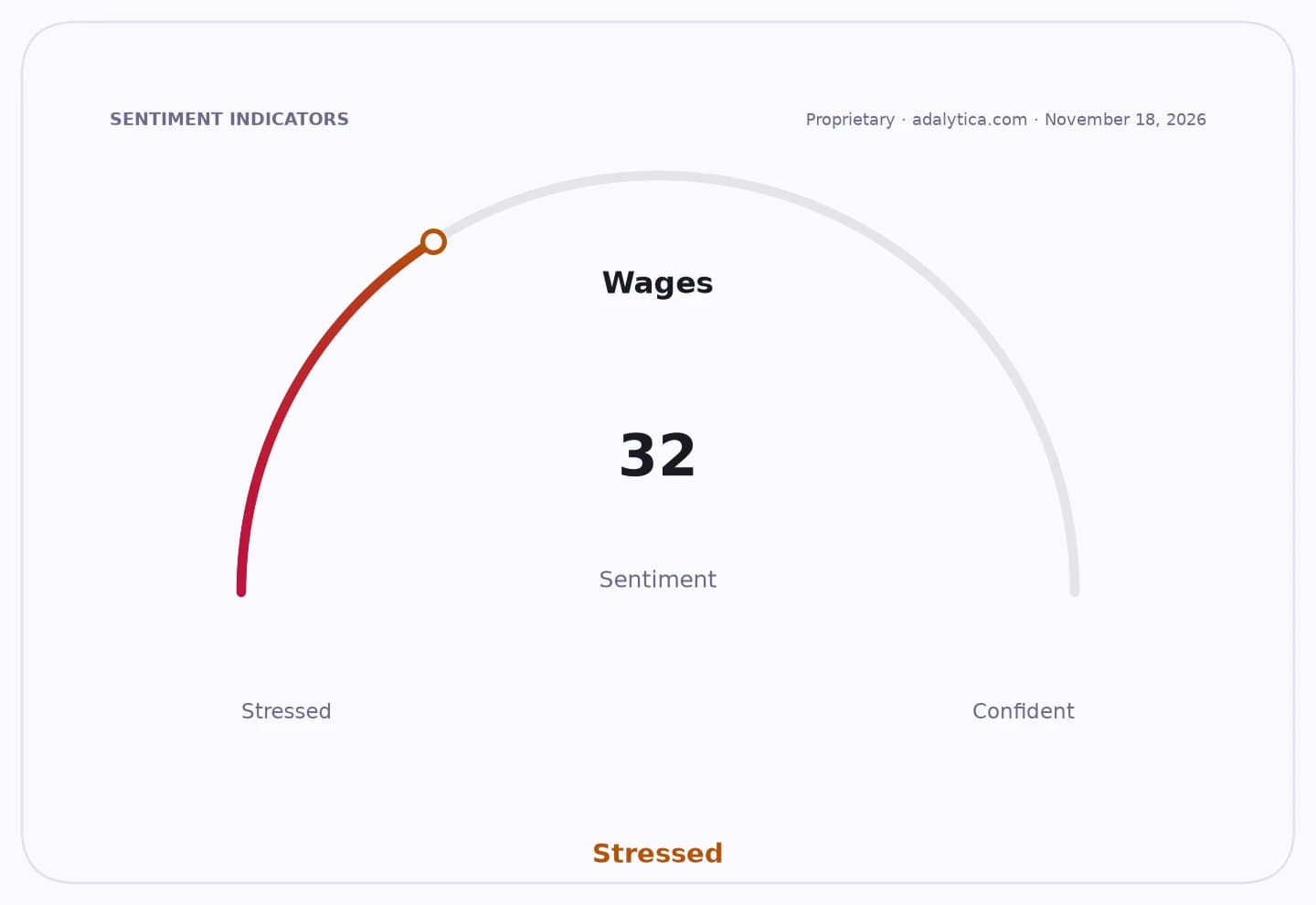
Wages
Under that scenario, the gross minimum wage would rise to 42,930 lira. For employers, the cost impact is bigger: in manufacturing, the gross payroll burden would reach 50,990 lira, and for firms that cannot benefit from social security incentives because of unpaid SGK debt, the total could climb to 53,137 lira.
That cost pressure is why the wage decision matters to investors as much as to workers. Higher labor costs can squeeze margins in labor-intensive sectors, while a larger wage floor can support consumption in a weak demand environment. The trade-off is especially relevant for retailers, restaurants and service companies that rely on lower-paid labor and for exporters competing on cost.
The policy backdrop also points to broader inflation sensitivity. If wage growth lands near 30%, it will feed into price-setting behavior across the economy and help determine whether the government can preserve its disinflation path without provoking more labor unrest. For markets, the key question is whether the increase is large enough to protect purchasing power but not so large that it reignites wage-price pressures.
The commission is expected to hold four meetings starting in the first week of December. The final figure will likely set the tone for 2026 labor costs, consumer demand and inflation expectations well beyond the minimum-wage bracket.
| Entity | Gains | Losses |
|---|---|---|
| Low-wage workers | ▲Higher take-home pay | ▼Risk of slower hiring |
| Employers in labor-heavy sectors | ▲Labor peace if deal holds | ▼Higher payroll costs |
| Government | ▲Social stability | ▼Inflation and cost-pressure risk |
| Consumers/retail demand | ▲More disposable income | ▼Possible price increases |