Colombia’s government has set Nov. 27 as the official start of negotiations over the 2027 minimum wage, putting inflation, productivity and a still-fragile labor market at the center of talks that will determine one of the country’s most important household income benchmarks.
Colombia sets Nov. 27 start for 2027 minimum wage talks
Wages
The timetable matters because the wage setting process will feed directly into next year’s consumer spending, corporate labor costs and the broader inflation outlook in Latin America’s fourth-largest economy. With the first legal deadline for an agreement on Dec. 15 and the final tripartite session penciled in for Dec. 23, the debate is beginning earlier than many investors expected and with clearer signposts for when the government may have to step in with a decree by Dec. 30.
Sentiment Indicators
The Ministry of Labor said technical sessions will begin Nov. 26 with the productivity subcommittee, followed by the formal installation of the negotiation table on Nov. 27 with the government, employers, unions and pensioner groups. On Dec. 9, participants will review inflation indicators and macroeconomic projections from the statistics office, finance ministry and central bank, before labor and business groups present their wage proposals on Dec. 10.
That sequencing underlines how the outcome will be shaped less by politics alone than by the policy trade-off between preserving purchasing power and avoiding a wage-driven second round of inflation. Official consumer price data suggest inflation remains elevated but manageable: Colombia’s CPI was forecast at 0.35% month on month in November, putting annual price growth on track near the mid-4% range, while core inflation is seen rising 0.27% on the month. Unemployment, at 4.1% in October, remains low by historical standards, but employers are still navigating slower growth and tighter margins in parts of the private sector.
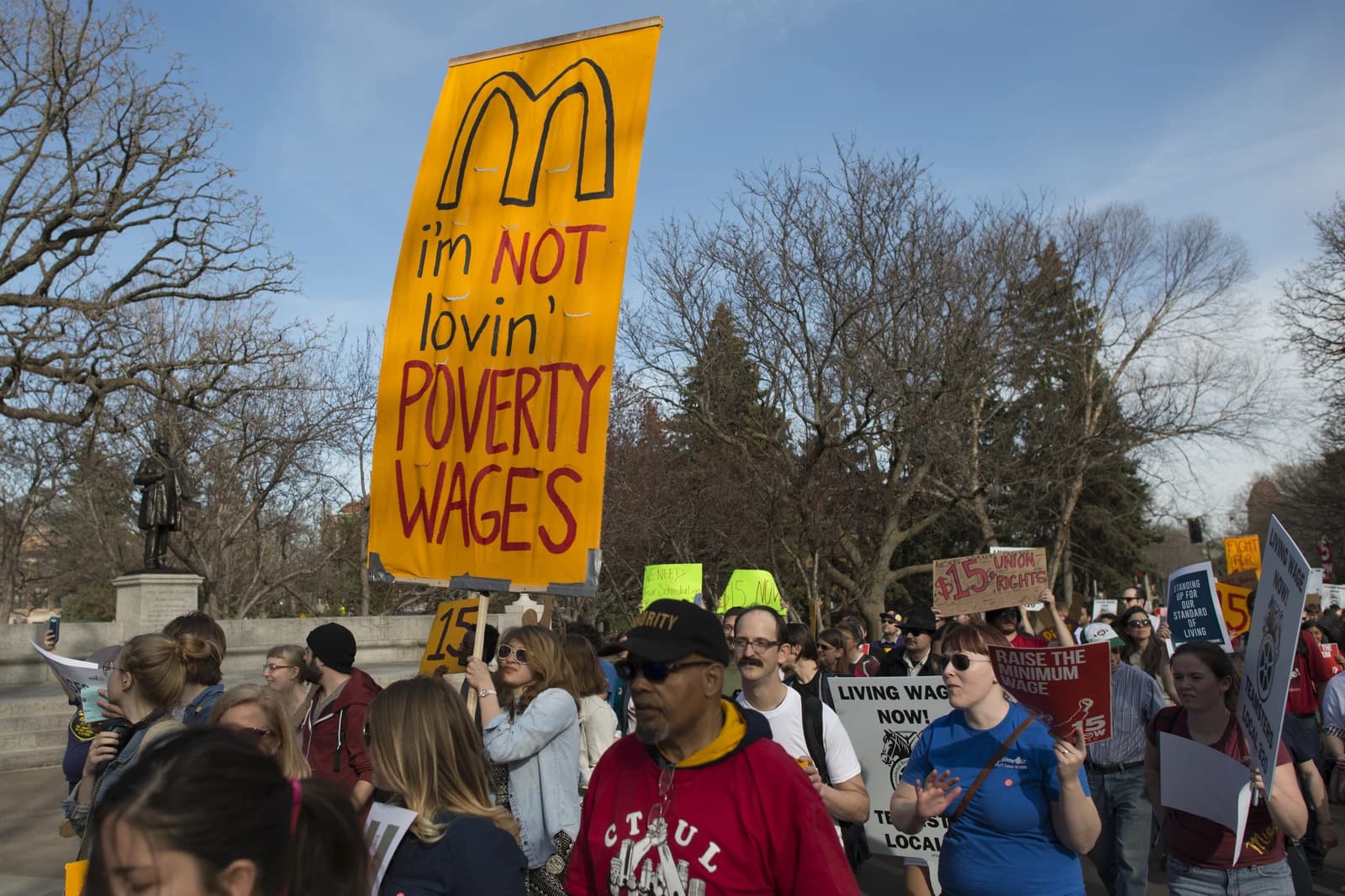
For workers, the talks are critical because minimum wage decisions in Colombia have a wide spillover effect well beyond the lowest-paid formal employees, influencing transport fares, service contracts and other wage negotiations across the economy. For companies, especially labor-intensive retailers, manufacturers and consumer-facing businesses, the final increase will shape 2027 payroll costs and could pressure margins if the settlement lands above inflation and productivity trends.
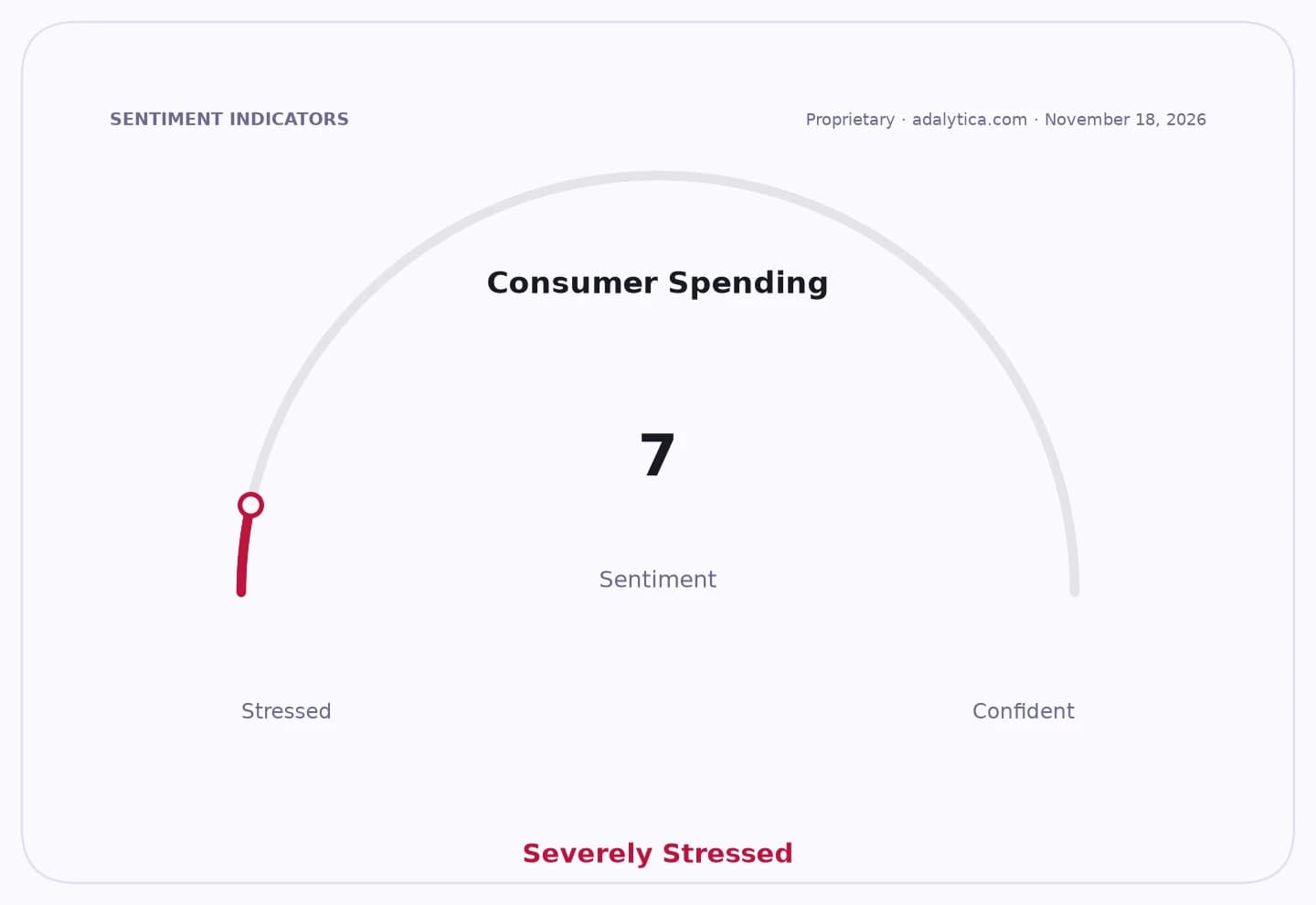
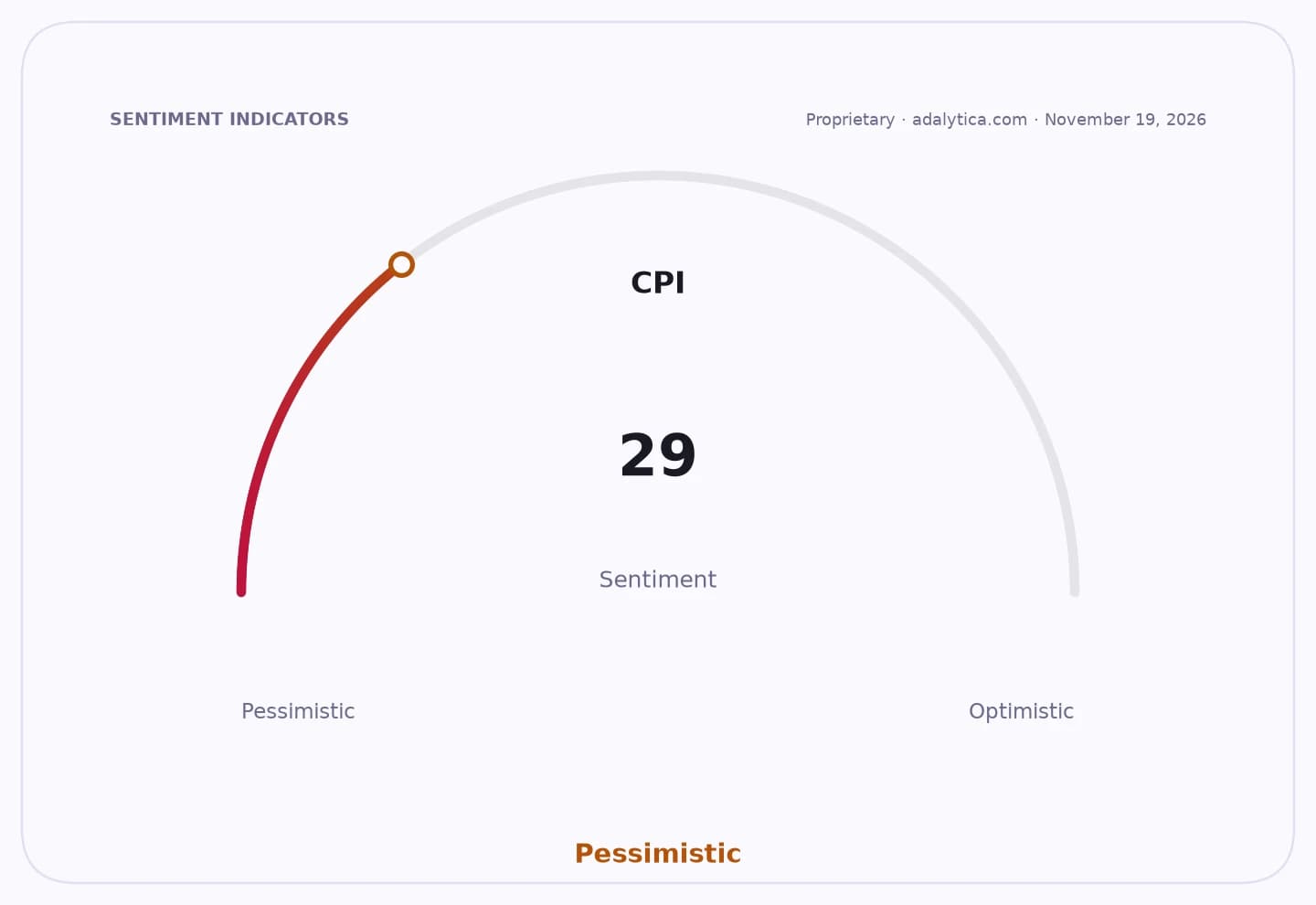
Markets will be watching for any sign that the government, unions and employers are converging on a larger-than-inflation adjustment, particularly after months in which wage inflation has remained a politically sensitive issue. Adalytica’s wage inflation sentiment gauge was neutral on Nov. 18, while its CPI sentiment reading also sat in neutral territory, suggesting investors are not yet pricing a decisive shift in the inflation-wage dynamic.
The broader implication is that Colombia’s wage round is becoming a test of policy credibility as much as a labor negotiation. If the process yields a moderate settlement, it could reinforce expectations that inflation will continue cooling without a sharp hit to household demand. If it produces a larger increase, investors may question how quickly price pressures can ease and whether the central bank will be able to stay on its current path without renewed caution.
What happens between now and the Dec. 30 decree deadline will therefore matter well beyond the labor ministry. It will help set the tone for 2027 consumption, labor costs and monetary policy positioning in a year when households, companies and bond investors will all be parsing whether Colombia can protect real incomes without reigniting inflation.
| Entity | Gains | Losses |
|---|---|---|
| Workers and unions | ▲Higher real wages | ▼Wage restraint |
| Employers | ▲Predictable timetable | ▼Larger payroll bills |
| Government | ▲Policy control | ▼Political backlash over outcome |
| Consumers/bond investors | ▲Inflation stability | ▼Wage-led price pressure |